
ASA HV Flanges
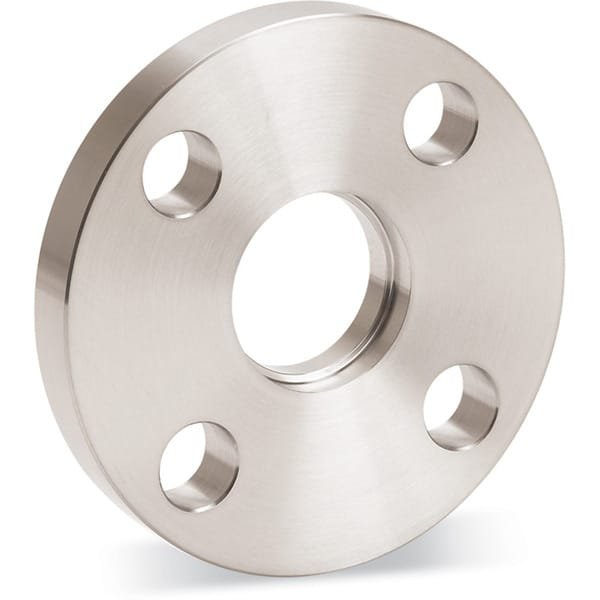
ASA HV Flanges–Fixed Flat
ASA HV Flanges–Rotatable Flat
ASA 304L SS rotatable flat flanges.
ASA HV Flanges–Fixed Grooved
ASA 304L SS fixed grooved flanges.
ASA HV Flanges–Rotatable Grooved
ASA HV Flanges are widely used connection components in high vacuum (HV) systems, valued for their structural reliability, sealing stability, and compatibility with a broad range of vacuum equipment. Designed to meet the demanding requirements of laboratory, research, and industrial vacuum environments, these flanges provide secure, repeatable connections for chambers, pipelines, and vacuum devices operating under high or ultra-high vacuum conditions.
This page introduces the core ASA HV flange configurations—including fixed flat, rotatable flat, fixed grooved, and rotatable grooved designs—with a focus on their structural characteristics, material selection, functional differences, and practical use cases. All variants are manufactured from ASA 304L stainless steel, ensuring consistent performance across thermal cycling, vacuum bake-out, and long-term operation.
Overview of ASA HV Flange Systems
ASA HV flanges are standardized high-vacuum flange components designed for bolted connections using elastomer or metal seals, depending on system requirements. Unlike quick-clamp systems, ASA HV flanges rely on mechanical fastening to generate uniform sealing pressure across the mating surfaces. This design approach offers excellent resistance to vibration, pressure fluctuations, and repeated assembly cycles.
The ASA standard ensures dimensional consistency, enabling interchangeability between components from different systems or suppliers. This makes ASA HV flanges particularly suitable for modular vacuum setups, upgrades, and maintenance operations where compatibility and reliability are critical.
Material Selection: ASA 304L Stainless Steel
All ASA HV flanges presented on this page are manufactured from ASA 304L stainless steel, a low-carbon austenitic alloy widely used in vacuum technology. The choice of 304L is driven by several performance advantages:
Low outgassing behavior, essential for maintaining stable high vacuum levels
Excellent corrosion resistance, suitable for a wide range of process gases
Good weldability, enabling integration into vacuum chambers and pipelines
Mechanical stability under thermal cycling, including vacuum bake-out processes
The low carbon content of 304L reduces the risk of carbide precipitation during welding or high-temperature exposure, preserving corrosion resistance and surface integrity over time.
Fixed Flat ASA HV Flanges
Fixed flat ASA HV flanges feature a rigid, non-rotating structure with a flat sealing surface. This design represents the most straightforward flange configuration and is commonly used in applications where alignment is predefined and does not require adjustment during installation.
Key Characteristics
Rigid flange body with fixed bolt hole orientation
Flat sealing surface suitable for elastomer or gasket-based seals
High structural rigidity and consistent load distribution
Advantages
Fixed flat flanges provide maximum mechanical simplicity and robustness. Because the flange does not rotate, once aligned and bolted, the connection remains stable under vibration or thermal stress. This makes fixed flat flanges well-suited for permanent or semi-permanent vacuum assemblies where frequent disassembly is not required.
Typical Applications
Fixed vacuum chamber connections
Straight pipeline interfaces
Vacuum systems with stable, pre-aligned layouts
Rotatable Flat ASA HV Flanges
Rotatable flat ASA HV flanges incorporate a rotating collar design that allows the bolt hole pattern to rotate independently of the flange body. The sealing surface remains flat, while the outer ring enables easier alignment during installation.
Key Characteristics
Rotatable outer ring for flexible bolt alignment
Flat sealing surface identical to fixed flat designs
Improved installation convenience without compromising sealing performance
Advantages
The rotatable feature significantly simplifies installation, especially in confined spaces or complex piping systems where precise bolt alignment is difficult. This design reduces assembly time and minimizes the risk of cross-threading or uneven bolt loading.
Typical Applications
Modular vacuum systems
Equipment requiring frequent maintenance or reconfiguration
Installations with limited access or tight tolerances
Fixed Grooved ASA HV Flanges
Fixed grooved ASA HV flanges feature a machined groove on the sealing face, designed to accommodate specific gasket or seal profiles. The flange body itself remains non-rotating, providing a stable and rigid connection.
Key Characteristics
Integrated sealing groove for controlled gasket placement
Fixed bolt orientation
Enhanced sealing repeatability
Advantages
The grooved sealing surface improves gasket positioning and compression consistency, reducing the likelihood of seal extrusion or misalignment. This design is particularly beneficial in systems where leak integrity is critical and consistent sealing performance must be maintained across multiple assembly cycles.
Typical Applications
High-integrity vacuum sealing points
Systems with defined gasket specifications
Applications requiring improved leak rate control
Rotatable Grooved ASA HV Flanges
Rotatable grooved ASA HV flanges combine the benefits of a grooved sealing surface with the flexibility of a rotatable bolt ring. This configuration represents one of the most versatile ASA HV flange designs.
Key Characteristics
Rotatable outer ring for easy alignment
Precision-machined groove for gasket retention
Balanced combination of installation flexibility and sealing reliability
Advantages
This design is ideal for complex vacuum assemblies where both precise sealing and installation flexibility are required. The grooved face ensures stable gasket positioning, while the rotatable ring simplifies assembly even in constrained or asymmetric system layouts.
Typical Applications
Advanced research vacuum systems
Semiconductor and thin-film deposition equipment
Custom vacuum assemblies with frequent reconfiguration
Sealing Considerations in ASA HV Flange Systems
The sealing performance of ASA HV flanges depends on several interacting factors, including surface finish, gasket material, bolt torque, and flange alignment. Flat and grooved designs each serve specific sealing strategies:
Flat sealing surfaces rely on uniform compression of elastomer or soft metal gaskets
Grooved sealing surfaces mechanically locate the gasket, improving consistency and repeatability
Proper bolt tightening patterns and torque control are essential to ensure even load distribution and prevent localized leaks. In high-vacuum environments, even minor surface imperfections or misalignment can significantly affect system performance.
Installation and Maintenance Benefits
ASA HV flanges are designed with long-term usability in mind. Their robust construction allows for repeated assembly and disassembly without significant wear when properly handled. Rotatable designs further enhance usability by reducing mechanical stress during installation.
Maintenance benefits include:
Easy replacement of seals or gaskets
High compatibility with existing vacuum infrastructure
Reduced downtime during system upgrades or repairs
When maintained correctly, ASA HV flanges can provide years of reliable service in demanding vacuum applications.
Applications Across Industries
ASA HV flanges are widely used across multiple industries where controlled vacuum environments are essential:
Scientific research laboratories – particle physics, surface science, and analytical instrumentation
Semiconductor manufacturing – deposition, etching, and inspection tools
Thin film and coating systems – sputtering, evaporation, and PVD equipment
Industrial vacuum processing – heat treatment, material testing, and specialty manufacturing
Their standardized design and proven performance make them a trusted solution for both research-scale and production-scale vacuum systems.
Selecting the Right ASA HV Flange Configuration
Choosing the appropriate ASA HV flange depends on several factors:
Required sealing method (flat vs. grooved)
Installation constraints and alignment flexibility
Frequency of assembly and maintenance
System pressure, temperature, and cleanliness requirements
Understanding these factors helps ensure optimal performance, reduced installation time, and long-term reliability.
Conclusion
ASA HV Flanges represent a reliable and versatile solution for high vacuum system connections. Available in fixed and rotatable configurations with flat or grooved sealing surfaces, these flanges offer a balance of mechanical strength, sealing integrity, and installation flexibility. Manufactured from ASA 304L stainless steel, they are well-suited for demanding vacuum environments across research and industrial applications.
By selecting the appropriate ASA HV flange type for each connection point, system designers and engineers can achieve consistent vacuum performance, simplified installation, and dependable long-term operation.