
Generic selectors
Exact matches only
Search in title
Search in content
Post Type Selectors

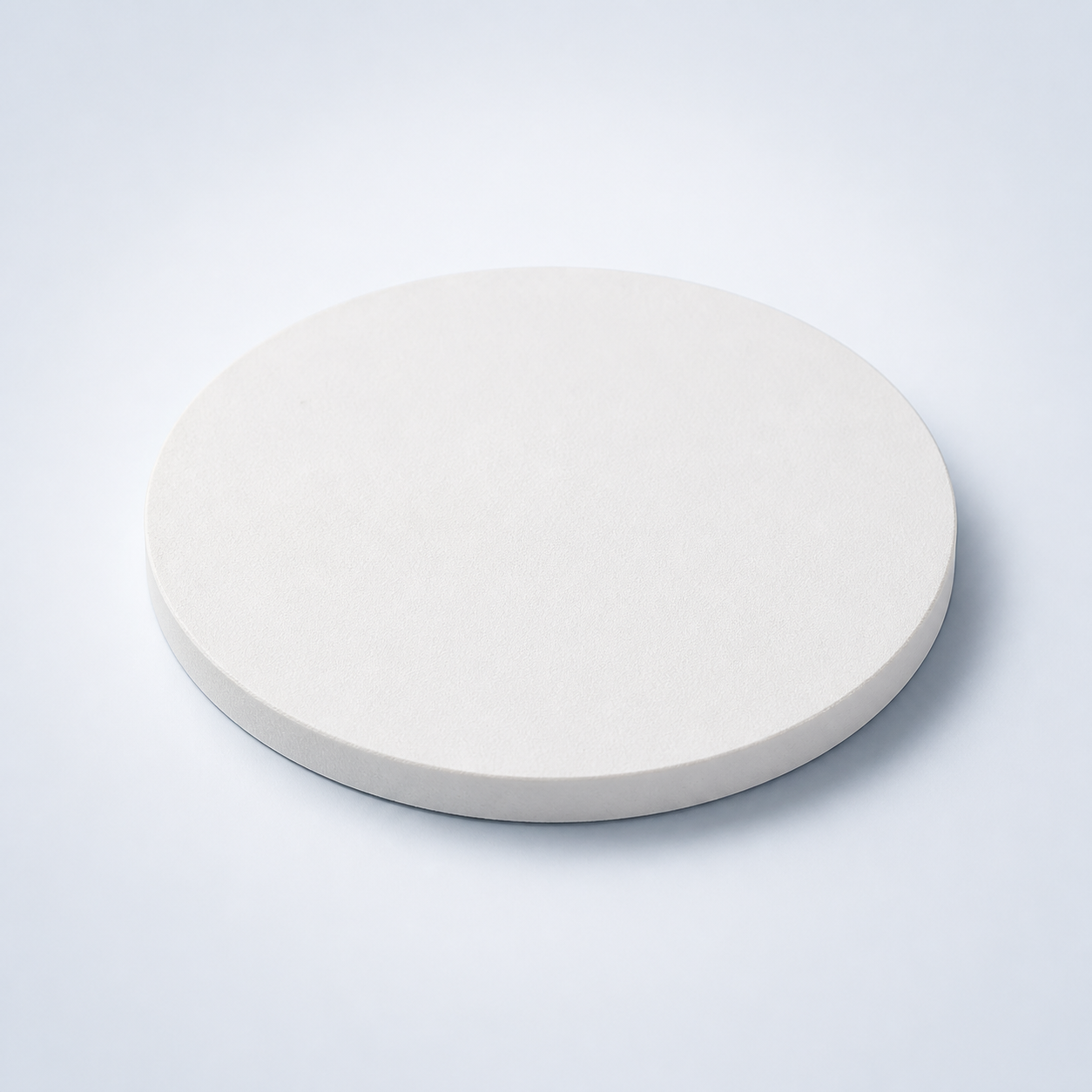
Lithium Phosphate Sputtering Target, Li3PO4

Chemical Formula: Li3PO4
Catalog Number: TFM-SPT-0363
CAS Number: 10377-52-3
Purity: 99.9%, 99.95%
Shape: Discs, Plates, Column Targets, Step Targets, Custom-made

Lithium phosphate (Li3PO4) sputtering target for thin-film deposition and LiPON process research. Specify your purity basis, dimensions, backing-plate requirements and quantity for quotation.

Lithium phosphate target for thin-film deposition

Lithium phosphate sputtering target (Li3PO4) is a solid source material for lithium-phosphate thin films and lithium phosphorus oxynitride (LiPON) process research. This product is listed as TFM-SPT-0363, CAS 10377-52-3. State the target chemistry and the intended film chemistry separately when preparing a specification.
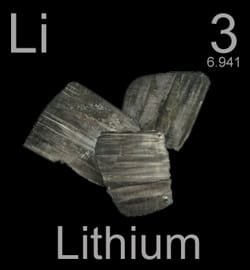
Lithium
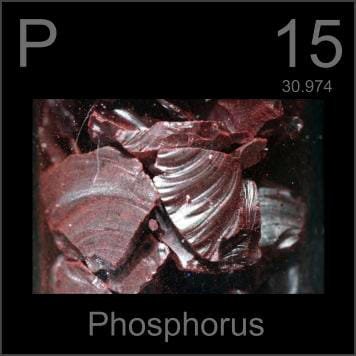
Phosphorus
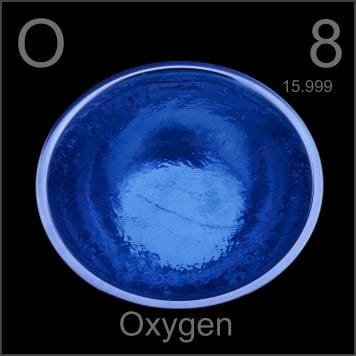
Oxygen

Li3PO4 source and LiPON film chemistry

Published RF-sputtering research has used a crystalline Li3PO4 target to deposit amorphous lithium-phosphate films in argon and LiPON films in nitrogen. LiPON contains nitrogen incorporated during deposition; specifying Li3PO4 identifies the source material, while the deposited film requires its own composition and property checks. See the Marple et al. experimental study of RF-sputtered LiPON.

Include the intended gas environment, power-supply mode, cathode model and substrate constraints in your RFQ. Agree on target and backing-plate requirements before setting the process window; film conductivity, composition and device performance remain process-qualification measurements.

Specification checklist for a Li3PO4 target

  • Material and grade: identify Li3PO4 and the requested purity. The current catalog lists 99.9% and 99.95%; confirm the purity basis, controlled impurities and acceptance evidence in the quotation.
  • Target geometry: give diameter or length and width, target thickness, tolerances, edge or step details, and a drawing when available. Distinguish the ceramic target dimensions from the complete assembly dimensions.
  • Backing and mounting: state whether you require an unbonded target or a bonded assembly, with backing material, plate dimensions, mounting details and any bonding-method constraint.
  • Equipment and film requirements: identify the sputtering cathode and whether the intended process is lithium-phosphate or LiPON deposition. List any film-composition or electrical checks required for qualification.
  • Quantity and documents: include the number of targets and required dimensional inspection, lot traceability, CoA or safety documentation. Confirm the available documents and order-specific limits before purchase.

Request a lithium phosphate target quotation

Send a Li3PO4 target RFQ with the grade, drawing or dimensions, backing details and quantity. Enter TFM-SPT-0363 in the Product field to identify this catalog item. For other source materials and target types, browse the sputtering targets catalog.

Material identity reference

The formula and CAS identity are listed in the NIST-hosted IUPAC lithium phosphate compilation. The research reference above describes published film experiments; product acceptance should use the specification and documents agreed for the supplied order.
Order Now

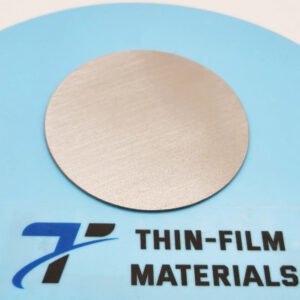
Li3PO4 TRG 3N Ø2″×3.18mm Bonded to OFHC 101 Cu BP

Reviews

There are no reviews yet.

Be the first to review “Lithium Phosphate Sputtering Target, Li3PO4”

Your email address will not be published. Required fields are marked *

Related Products

FAQ

It’s the source material (in solid form) used in sputter deposition to eject atoms or molecules that then form a thin film on a substrate.

Targets can be pure metals (e.g., gold, copper, aluminum), ceramics (e.g., Al₂O₃, SiO₂, TiO₂), alloys, or composites—chosen based on the film’s desired properties.


Manufacturing routes depend on the material and target specification. Metal targets may be cast and machined, while some ceramic targets are consolidated by sintering. Ask for the product-specific route and inspection criteria when these affect qualification.


In a vacuum chamber, a plasma (typically argon) bombards the target, ejecting atoms that travel and condense on a substrate, forming a thin film.


Key factors include the target’s purity, density, grain structure, and the sputtering yield (i.e. how many atoms are ejected per incident ion), as well as operating conditions like power density and gas pressure.


Operators monitor target erosion (often by measuring the depth of the eroded “race track”) or track total energy delivered (kilowatt-hours) until it reaches a threshold that can compromise film quality.


Bonding may be selected for brittle targets, thinner precious-metal targets, or a cathode that needs a specific backing and cooling arrangement. It is not a universal requirement. Provide target and backing dimensions, the cathode model, and operating conditions for assembly review.


DC is commonly used with conductive targets. RF is often used for poorly conducting or insulating targets to mitigate surface charging; other power modes may be suitable depending on the target, cathode, and process. Confirm the mode against the equipment and material.


In reactive sputtering, a reactive gas (e.g., oxygen or nitrogen) is introduced to form compound films on the substrate, but it may also “poison” the target surface if not carefully controlled.


Customer-supplied powder acceptance is not assumed. Provide material identity, lot traceability, composition and impurity analysis, quantity, and handling constraints in the RFQ. TFM must confirm feasibility and acceptance criteria before any material is sent.


Targets should be stored in clean, dry conditions (often in original packaging or re-wrapped in protective materials) and handled with gloves to avoid contamination, ensuring optimal performance during deposition.

Deposition rate depends on factors such as target material and composition, power density, working gas pressure, substrate distance, and the configuration of the sputtering system (e.g., magnetron design).

 
Shopping Cart
Scroll to Top