
Product Overview
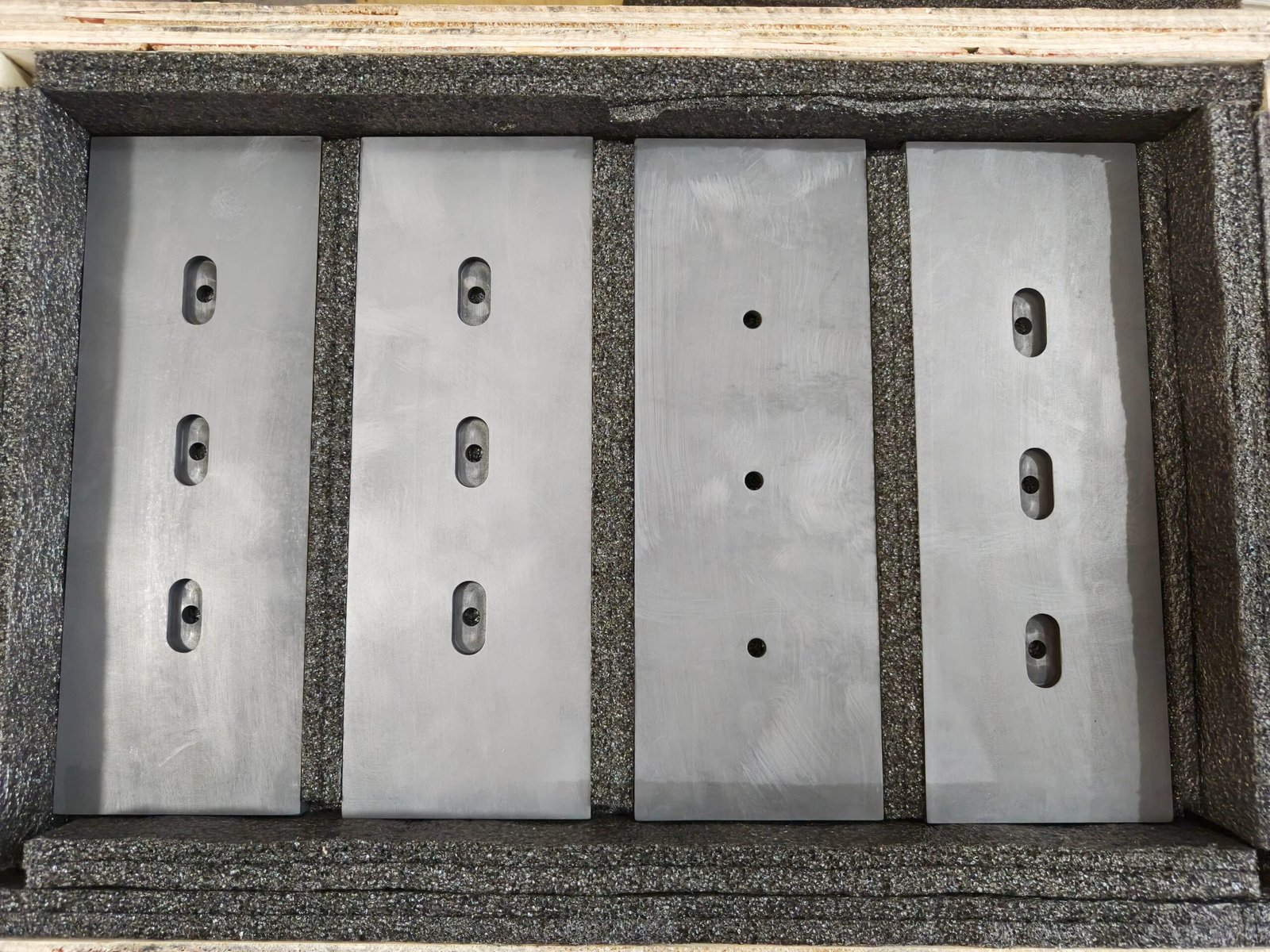
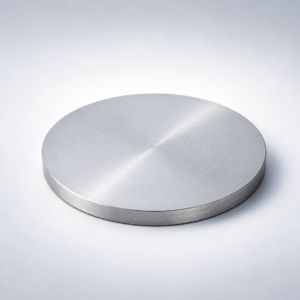
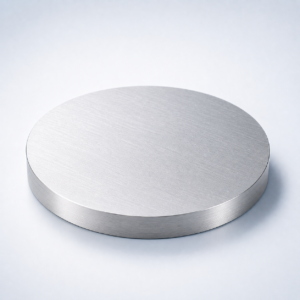
Carbon Graphite Sputtering Target (C) is an elemental sputtering target used as a direct film source or as a component in composition-sensitive compound-film development. Because many semimetallic or nonmetallic elements are used in optical, electronic, or chalcogenide-related systems, target purity and contamination control can be especially important when the sputtered layer forms part of a functional multilayer stack.
Explore related materials in the Sputtering Targets catalog.

Material and Deposition Characteristics
The preferred power mode depends on the target’s electrical resistivity and the deposition system. Some elemental targets in this family can be processed with DC or pulsed-DC sputtering, while others may require RF sputtering or more conservative operating conditions. When the deposited film acts as a precursor layer for a compound or multilayer system, film analysis is recommended to verify the final composition and structure.
Technical Data
| Material Type | Carbon |
| Symbol | C |
| Color/Appearance | Black, Non-Metallic |
| Melting Point | 3652 – 3697 °C |
| Boiling Point | 4200 °C |
| Density | 2.267 g/cm3 |
| Thermal Conductivity | 140 W/m.K |
| Coefficient of Thermal Expansion | 7.1 x 10⁻⁶/K |
| Comments | E-beam preferred. Arc evaporation. Poor film adhesion. |
| Available Sizes | Dia.: 1.0″, 2.0″, 3.0″, 4.0″, 5.0″, 6.0″ Thick: 0.125″, 0.250″ |
Typical Thin-Film Applications
- Carbon Graphite-based thin films and precursor layers for semiconductor, optical, and functional coating research
- Chalcogenide, thermoelectric, infrared, electronic, or phase-change material development where applicable
- Projects requiring a specific elemental source for co-sputtering or subsequent compound formation
Target Configuration and Ordering Considerations
For quotation and manufacturability review, provide target size, thickness, purity or alloy composition, quantity, and the sputtering gun or cathode model if known. If a bonded assembly is required, include backing-plate material, bonding preference, and any dimensional tolerances, surface-finish needs, or inspection-document requirements. TFM can also review customer drawings or old-target samples for replacement builds.
Frequently Asked Questions
What is a Carbon Graphite sputtering target typically used for?
It is used either to deposit the elemental film directly or to serve as a source component in compound, optical, electronic, chalcogenide, or other functional thin-film systems.
Should Carbon Graphite be sputtered with DC or RF power?
The best power mode depends on target resistivity, dimensions, and sputtering-system capability. Some elemental targets in this family can work with DC or pulsed-DC power, while others are more commonly evaluated with RF power.
Why is purity important for a Carbon Graphite target?
Many of these materials are used in composition-sensitive thin films, so metallic or chemical impurities can affect the behavior of the final film or multilayer stack. The target purity should therefore be matched to the application.
Can a Carbon Graphite target be supplied in a bonded assembly?
Yes, if the cathode design or thermal considerations make a backing plate desirable. The specific backing material and bonding method should be reviewed against target size and operating conditions.
Does target composition guarantee film composition for Carbon Graphite?
Not always. Film composition can shift because of sputtering conditions, substrate temperature, chamber history, and re-sputtering effects. Film analysis is recommended when the final composition is critical.
What should be included in an RFQ for Carbon Graphite?
Provide purity, dimensions, quantity, target configuration, backing requirement if any, cathode model or drawing, and any special packaging or inspection-document requirements.
Prepare your RFQ: Download the fillable Carbon Graphite Sputtering Target, C RFQ Worksheet (PDF). Enter the required composition or grade, dimensions, backing or bonding request, quantity, documents, and acceptance criteria for quotation review.
Reviews
There are no reviews yet.