Generic selectors
Exact matches only
Search in title
Search in content
Post Type Selectors

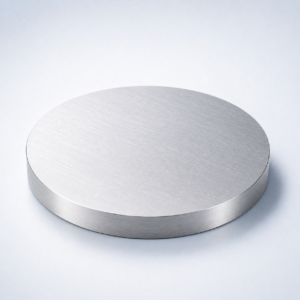
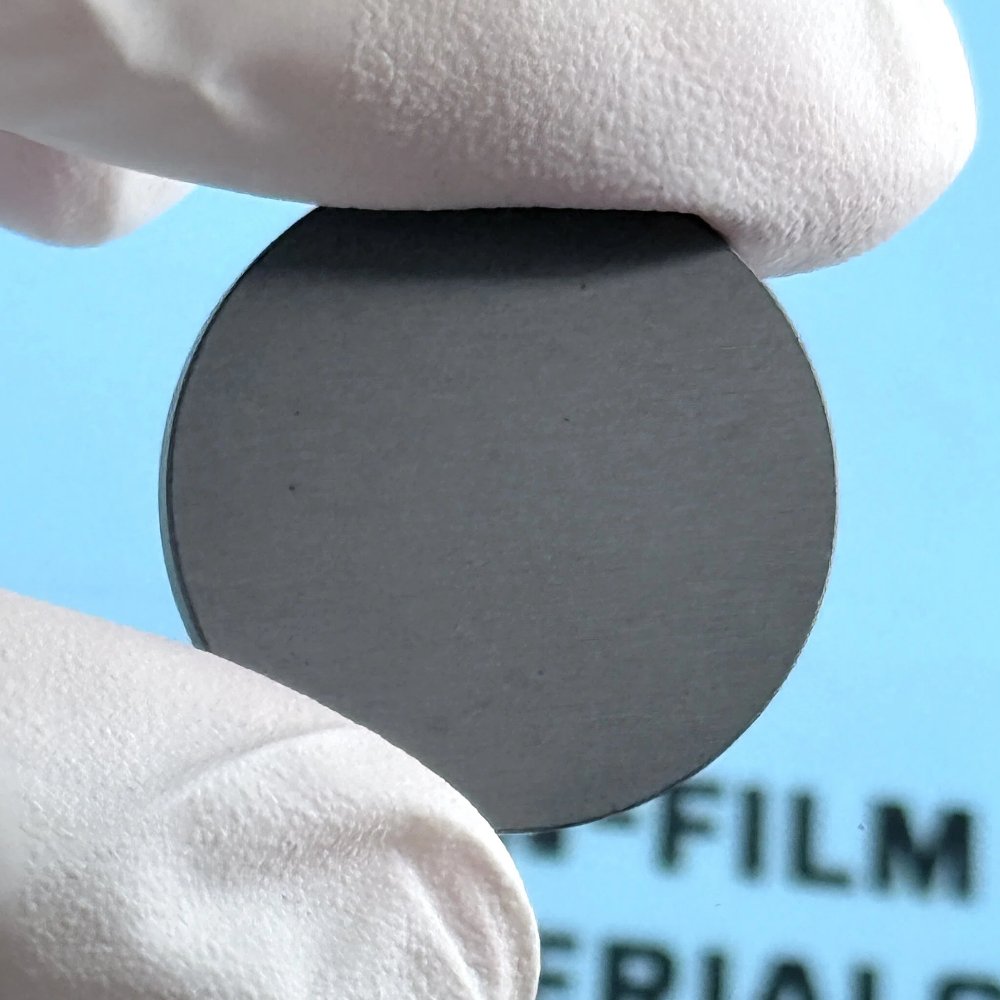
Titanium Carbide Sputtering Target, TiC

Chemical Formula: TiC
Catalog Number: TFM-SPT-0611
CAS Number: 12070-08-5
Purity: 99.5%
Shape: Discs, Plates, Column Targets, Step Targets, Custom-made

 Titanium Carbide sputtering target  come in various forms, purities, sizes, and prices. Thin Film Materials (TFM) manufactures and supplies top-quality sputtering targets at competitive prices.

Titanium Carbide Sputtering Target Description

Titanium Carbide sputtering target, available from TFM, is a carbide ceramic sputtering material with the chemical formula TiC.
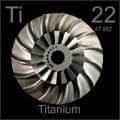
TitaniumTitanium is a chemical element named after the Titans of Greek mythology, who were the offspring of the Earth goddess. It was first identified in 1791 by William Gregor, and its isolation was later achieved and announced by Jöns Jakob Berzelius. The canonical chemical symbol for titanium is “Ti.” In the periodic table, titanium has the atomic number 22, and it is located in Period 4, Group 4, belonging to the d-block. The relative atomic mass of titanium is 47.867(1) Dalton, with the number in parentheses indicating the uncertainty of the measurement.

Related Product: Titanium Sputtering Target
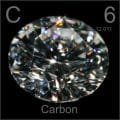
CarbonCarbon, symbolized as “C,” is a chemical element that comes from the Latin word “carbo,” meaning charcoal. It has been known since ancient times, with early uses dating back to around 3750 BC, where it was discovered by Egyptians and Sumerians. In the periodic table, carbon has an atomic number of 6 and is situated in Period 2, Group 14, within the p-block. The relative atomic mass of carbon is 12.0107(8) Dalton, with the number in parentheses indicating the measurement’s uncertainty.

Titanium Carbide Sputtering Target Handling Notes

1. Indium bonding is recommended for titanium carbide sputtering materials because some of their properties, such as brittleness and low thermal conductivity, make them challenging to sputter effectively.

2. Titanium carbide sputtering material has a low thermal conductivity, making it susceptible to thermal shock during processing.

Titanium Carbide Sputtering Target Packaging

Our titanium carbide sputtering targets are meticulously tagged and labeled on the outside to ensure easy identification and stringent quality control. We take great care in handling and packaging these targets to prevent any damage during storage or transportation, ensuring they arrive in pristine condition.

Get Contact

TFM offers Titanium Carbide Sputtering Targets in various forms, purities, sizes, and prices. We specialize in high-purity thin film deposition materials with optimal density and minimal grain sizes, which are ideal for semiconductor, CVD, and PVD applications in display and optics. Contact Us for current pricing on sputtering targets and other deposition materials that are not listed.

Order Now

TiC target 3N ø76.2×3mm Cu B/Plate 3mm

Reviews

There are no reviews yet.

Be the first to review “Titanium Carbide Sputtering Target, TiC”

Your email address will not be published. Required fields are marked *

FAQ

It’s the source material (in solid form) used in sputter deposition to eject atoms or molecules that then form a thin film on a substrate.

Targets can be pure metals (e.g., gold, copper, aluminum), ceramics (e.g., Al₂O₃, SiO₂, TiO₂), alloys, or composites—chosen based on the film’s desired properties.


Manufacturing routes depend on the material and target specification. Metal targets may be cast and machined, while some ceramic targets are consolidated by sintering. Ask for the product-specific route and inspection criteria when these affect qualification.


In a vacuum chamber, a plasma (typically argon) bombards the target, ejecting atoms that travel and condense on a substrate, forming a thin film.


Key factors include the target’s purity, density, grain structure, and the sputtering yield (i.e. how many atoms are ejected per incident ion), as well as operating conditions like power density and gas pressure.


Operators monitor target erosion (often by measuring the depth of the eroded “race track”) or track total energy delivered (kilowatt-hours) until it reaches a threshold that can compromise film quality.


Bonding may be selected for brittle targets, thinner precious-metal targets, or a cathode that needs a specific backing and cooling arrangement. It is not a universal requirement. Provide target and backing dimensions, the cathode model, and operating conditions for assembly review.


DC is commonly used with conductive targets. RF is often used for poorly conducting or insulating targets to mitigate surface charging; other power modes may be suitable depending on the target, cathode, and process. Confirm the mode against the equipment and material.


In reactive sputtering, a reactive gas (e.g., oxygen or nitrogen) is introduced to form compound films on the substrate, but it may also “poison” the target surface if not carefully controlled.


Customer-supplied powder acceptance is not assumed. Provide material identity, lot traceability, composition and impurity analysis, quantity, and handling constraints in the RFQ. TFM must confirm feasibility and acceptance criteria before any material is sent.


Targets should be stored in clean, dry conditions (often in original packaging or re-wrapped in protective materials) and handled with gloves to avoid contamination, ensuring optimal performance during deposition.

Deposition rate depends on factors such as target material and composition, power density, working gas pressure, substrate distance, and the configuration of the sputtering system (e.g., magnetron design).

 
Shopping Cart
Scroll to Top