
Introduction
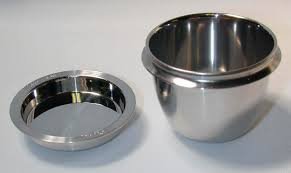
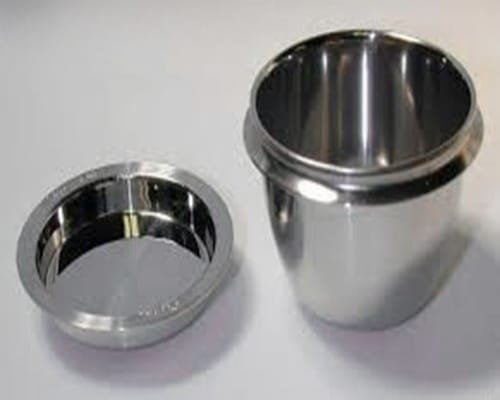
Leco® platinum crucibles and molds are precision-engineered laboratory consumables designed for high-temperature analytical applications, particularly in elemental analysis and sample fusion. Renowned for their exceptional chemical inertness and thermal stability, these platinum-based components are widely used in analytical laboratories, metallurgy, and materials science, where accuracy and repeatability are critical.
Detailed Description
Leco® Platinum Crucibles
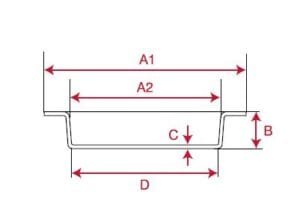
Code | B | A2 | D | A1 | Weight |
PT9801 | 35 | 37 | 20 | 44 | 45 |
PT9802 | 38 | 35 | 21 | 44 | 45 |

Leco® Platinum Molds
Code | D2 | A2 | A1 | B | C | Weight |
PT9803 | 35 | 36 | 44 | 7.2 | 0.8 | 35 |
PT9804 | 35 | 38.5 | 44 | 7.2 | 0.8 | 45 |
PT9805 | 39 | 41 | 47 | 4.2 | 0.8 | 40 |
PT9806 | 39 | 41 | 52 | 5 | 0.8 | 40 |
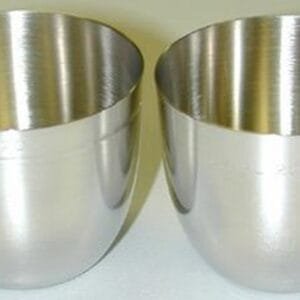
Leco® platinum crucibles and molds are typically fabricated from high-purity platinum or platinum alloys (such as Pt-Rh), ensuring excellent resistance to corrosion, oxidation, and chemical attack even at elevated temperatures exceeding 1000°C. These properties make them ideal for repeated use in harsh analytical environments, including combustion analysis and fusion sample preparation.
The precise geometry and surface finish of these crucibles and molds are optimized for compatibility with Leco® analytical instruments, ensuring consistent sample handling and reliable results. Platinum’s high melting point (~1768°C) and excellent thermal conductivity contribute to uniform heating and cooling, reducing thermal gradients and minimizing sample contamination.
In fusion processes, platinum molds are used alongside crucibles to form uniform glass beads for XRF (X-ray fluorescence) analysis. The smooth, non-reactive surface ensures easy release of samples and prevents adhesion or contamination.
Key features include:
High-purity platinum or platinum alloy construction (Pt, Pt-Rh)
Excellent chemical resistance and oxidation stability
Superior thermal conductivity for uniform heating
Long service life under repeated high-temperature cycles
Precision dimensions for compatibility with Leco® systems
Applications
Leco® platinum crucibles and molds are widely used in:
Elemental analysis (carbon, sulfur, oxygen, nitrogen testing)
Sample combustion in analytical instruments
XRF sample preparation (fusion bead method)
Metallurgical and materials testing laboratories
Geological and mineral analysis
High-temperature chemical processing and research
Technical Parameters
| Parameter | Typical Value / Range | Importance |
|---|---|---|
| Material | Pt / Pt-Rh alloy | Ensures chemical inertness |
| Purity | ≥ 99.95% | Minimizes contamination |
| Melting Point | ~1768°C (Pt) | Suitable for high-temperature use |
| Operating Temp. | Up to 1200–1400°C (continuous) | Supports analytical processes |
| Dimensions | Standard Leco® sizes (customizable) | Ensures instrument compatibility |
| Surface Finish | Smooth, polished | Prevents sample adhesion |
Comparison with Related Materials
| Material | Key Advantage | Typical Application |
|---|---|---|
| Platinum (Pt) | Excellent chemical stability | Analytical crucibles |
| Pt-Rh Alloy | Improved mechanical strength | High-temperature fusion |
| Nickel (Ni) | Cost-effective | Less demanding analysis |
| Alumina (Al₂O₃) | High temperature resistance | General lab use |
FAQ
| Question | Answer |
|---|---|
| Are these crucibles compatible with all Leco® instruments? | They are designed for standard Leco® systems; customization is available for specific models. |
| Can Pt-Rh alloys be supplied instead of pure platinum? | Yes, Pt-Rh alloys are available for enhanced durability and high-temperature performance. |
| How long is the service life? | With proper handling, platinum crucibles can last for many cycles due to their مقاومت to corrosion and thermal stress. |
| How should they be cleaned? | Typically cleaned using appropriate acids or high-temperature cleaning methods, depending on application. |
| Can sizes be customized? | Yes, dimensions and shapes can be tailored to meet specific requirements. |
Packaging
Our Leco® Platinum Crucibles & Molds are meticulously tagged and labeled externally to ensure efficient identification and maintain high standards of quality control. We take great care to prevent any potential damage during storage and transportation, ensuring the products arrive in perfect condition.
Conclusion
Leco® platinum crucibles and molds provide unmatched reliability and performance for high-temperature analytical applications. Their superior chemical resistance, thermal stability, and precision manufacturing make them indispensable tools in laboratories and industrial testing environments.
For detailed specifications and a quotation, please contact us at sales@thinfilmmaterials.com.
Browse the crucible product collection for related options.

Reviews
There are no reviews yet.