
 MSDS File
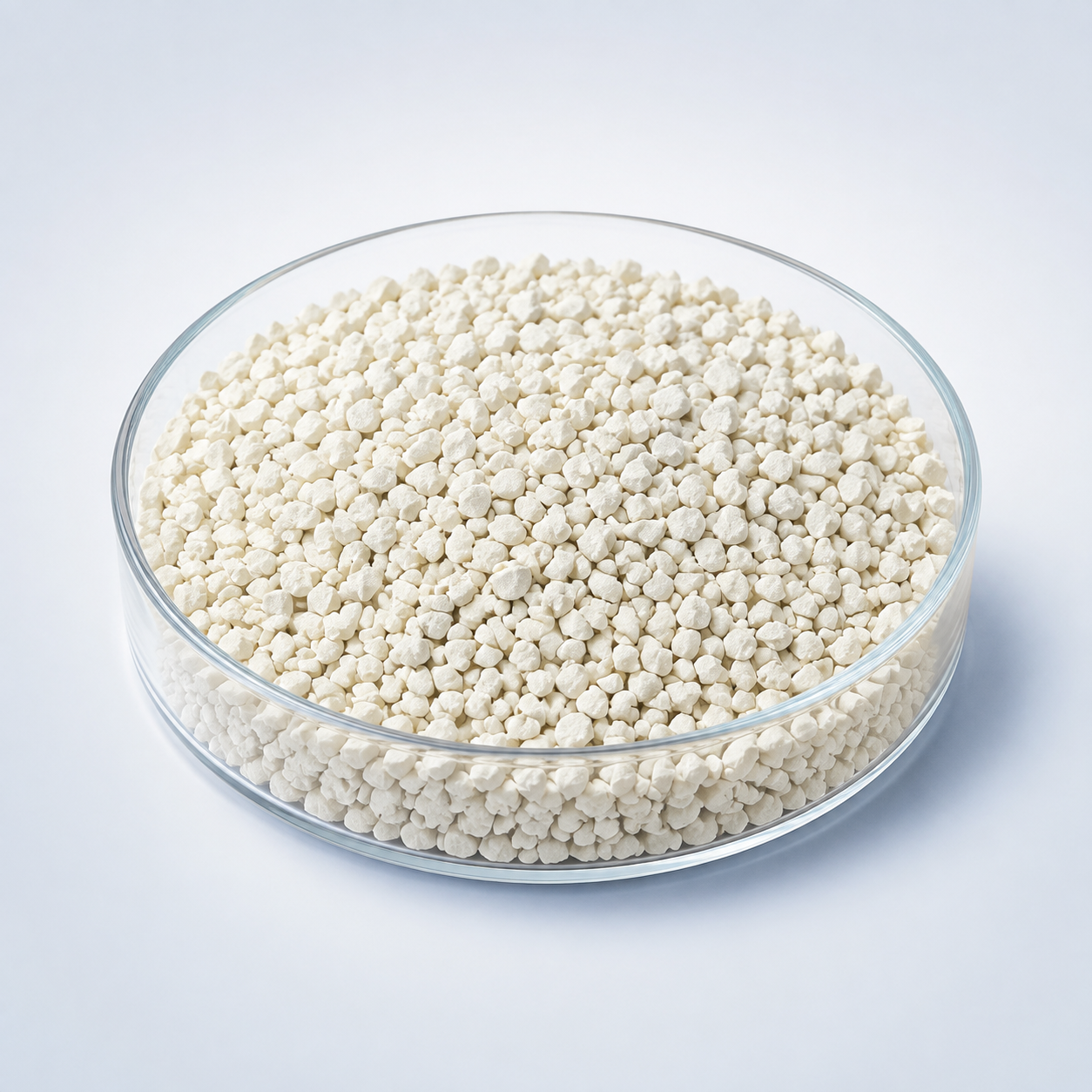
What is aluminum nitride evaporation material?
Aluminum nitride evaporation material is an AlN compound source evaluated for depositing aluminum-nitride-containing films by vacuum evaporation. Because a compound source may decompose or evaporate non-congruently, the RFQ should define composition and purity basis, source form and dimensions, heating method, holder geometry, atmosphere strategy, and film-composition acceptance measurements. The final film must be verified rather than assumed to reproduce the source unchanged.
Use the Evaporation Materials catalog when the source material or form is still being selected.
Evaporation Behavior and Process Considerations
These compounds commonly require high-energy evaporation methods such as electron-beam heating. However, high source temperature can also promote decomposition, dissociation, or preferential evaporation. Process qualification should therefore include source-behavior observation and film-composition verification before scaling to long runs.
AlN evaporation material selection data
| Selection field | What to specify | Why it matters |
|---|---|---|
| Material identity | AlN, requested composition, and purity basis | Defines the compound source and order-specific chemistry requirement |
| Source form | Requested form, dimensions or size range, mass, and quantity | The charge must be reviewed against the source holder without assumed geometry |
| Evaporation method | Electron-beam or other intended method, equipment model, and operating constraints | The heating route affects decomposition and source conditioning |
| Holder and atmosphere | Crucible, liner, hearth, boat, or basket details plus the intended vacuum or reactive environment | Compatibility and composition control depend on the full source environment |
| Film acceptance | Required composition, nitrogen content, phase, thickness, electrical, optical, or structural measurements | Non-congruent evaporation risk requires film verification |
| Inspection and documents | List composition, dimensional, visual, packaging, or lot-document evidence required | Keeps order acceptance criteria separate from catalog assumptions |
Typical Thin-Film Applications
- AlN-containing electronic, optical, protective, and other functional-film research
- Projects where the approved layer design specifies aluminum nitride and defines composition or phase acceptance
- Studies of source decomposition, nitrogen retention, film stoichiometry, and process qualification
Application fit depends on the complete layer design and qualified process. Review the broader thin-film application categories before finalizing the source RFQ.
Source Form and Ordering Considerations
For an AlN evaporation-material quotation, provide composition and purity basis, requested form and dimensions, mass or quantity, evaporation method, atmosphere strategy, and the crucible, liner, boat, basket, or e-beam hearth dimensions. Include required film-composition or nitrogen-content measurements and any inspection or lot-document requirements. Send the available specification and source-holder information to TFM for review; form, dimensions, purity, packaging, documentation, and feasibility remain subject to quotation and approved specification.
Frequently Asked Questions
Can Aluminum Nitride be evaporated by electron beam?
Electron-beam heating is often evaluated for high-melting compounds because it can provide localized high temperature. However, the compound may decompose before evaporating congruently.
Will Aluminum Nitride maintain its stoichiometry during evaporation?
Not necessarily. Carbides, borides, nitrides, silicides, and related compounds can dissociate or evaporate preferentially, so film composition should be verified.
Why is source conditioning important for Aluminum Nitride?
Gradual conditioning reduces thermal shock, outgassing, and sudden particle ejection while allowing the operator to observe whether the compound remains stable under heating.
What source holder should be used for Aluminum Nitride?
The holder must tolerate the required temperature and avoid chemical reaction with the charge. E-beam hearth or compatible crucible selection should be reviewed for the specific material.
Is a pellet or dense piece preferable for Aluminum Nitride?
A dense, mechanically stable charge is generally easier to load and condition than loose powder. The ideal form depends on hearth size and the required evaporation rate.
What information should I provide for an aluminum nitride evaporation-material quotation?
Provide formula, purity, source form, piece or pellet size, quantity, evaporation method, source-holder details, and the intended film composition or application.
Reviews
There are no reviews yet.