
Introduction
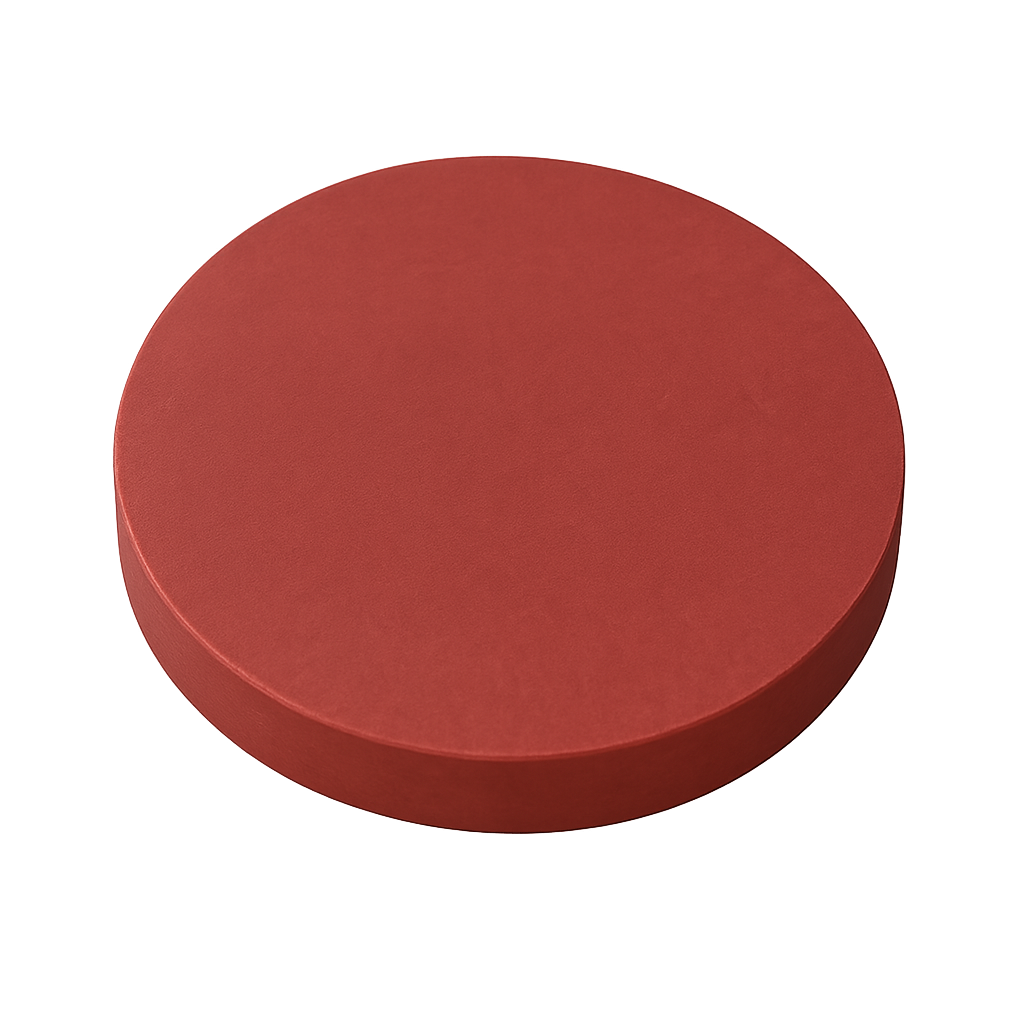
Bismuth Yttrium Iron Garnet (BiY₂Fe₅O₁₂), commonly referred to as Bi:YIG, is a magneto-optical garnet material renowned for its exceptionally large Faraday rotation and low optical loss. As a sputtering target, BiY₂Fe₅O₁₂ enables the deposition of high-quality magneto-optical thin films essential for photonics, integrated optics, and spintronic research.
Detailed Description
BiY₂Fe₅O₁₂ is a bismuth-substituted yttrium iron garnet with a cubic garnet crystal structure. Partial substitution of yttrium by bismuth significantly enhances magneto-optical activity while preserving magnetic ordering and optical transparency in the visible to near-infrared range.
Our BiY₂Fe₅O₁₂ sputtering targets are produced using high-purity oxide precursors followed by controlled solid-state reaction, calcination, and high-temperature sintering. This process ensures:
Single-phase garnet structure, minimizing parasitic phases
High density and homogeneous microstructure, enabling stable sputtering
Reliable stoichiometric transfer, critical for magneto-optical film performance
Targets are available as monolithic ceramic discs or bonded to metallic backing plates (typically copper) to improve thermal conductivity and mechanical integrity during sputtering.
Applications
Bismuth Yttrium Iron Garnet sputtering targets are widely used in:
Magneto-optical isolators and circulators
Optical modulators and integrated photonic devices
Spintronic and magnonic thin-film research
Magnetic field sensing and imaging
Advanced research on garnet-based functional oxides
Technical Parameters
| Parameter | Typical Value / Range | Importance |
|---|---|---|
| Chemical Formula | BiY₂Fe₅O₁₂ | Defines magneto-optical behavior |
| Crystal Structure | Garnet | Enables Faraday rotation effects |
| Purity | 99.9% – 99.99% | Reduces optical loss and defects |
| Diameter | 25 – 300 mm (custom) | Compatible with standard sputter guns |
| Thickness | 3 – 6 mm | Ensures sputtering stability |
| Density | ≥ 95% theoretical | Improves film uniformity |
| Bonding | Optional Cu backing plate | Enhances heat dissipation |
Comparison with Related Garnet Materials
| Material | Key Advantage | Typical Application |
|---|---|---|
| BiY₂Fe₅O₁₂ (Bi:YIG) | Very high Faraday rotation | Magneto-optical devices |
| Y₃Fe₅O₁₂ (YIG) | Low magnetic damping | Microwave & spintronics |
| Ce:YIG | Strong MO response at telecom wavelengths | Optical isolators |
FAQ
| Question | Answer |
|---|---|
| Can the Bi content be adjusted? | Yes, bismuth substitution levels can be customized upon request. |
| Is RF sputtering required? | RF sputtering is typically recommended for ceramic garnet targets. |
| Can the target be bonded? | Yes, bonding to copper backing plates is available. |
| Is this suitable for research use? | Yes, BiY₂Fe₅O₁₂ targets are widely used in academic and industrial R&D. |
Packaging
Our Bismuth Yttrium Iron Garnet Sputtering Targets are individually labeled and vacuum-sealed to ensure traceability and contamination-free delivery. Protective packaging is used to prevent mechanical damage during storage and international transportation.
Conclusion
Bismuth Yttrium Iron Garnet (BiY₂Fe₅O₁₂) Sputtering Targets provide a reliable foundation for depositing high-performance magneto-optical thin films. With controlled composition, high density, and customizable formats, they are well suited for cutting-edge photonic and magnetic research.
For detailed specifications and a quotation, please contact us at sales@thinfilmmaterials.com.*

Reviews
There are no reviews yet.