Generic selectors
Exact matches only
Search in title
Search in content
Post Type Selectors
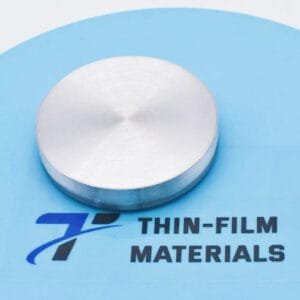
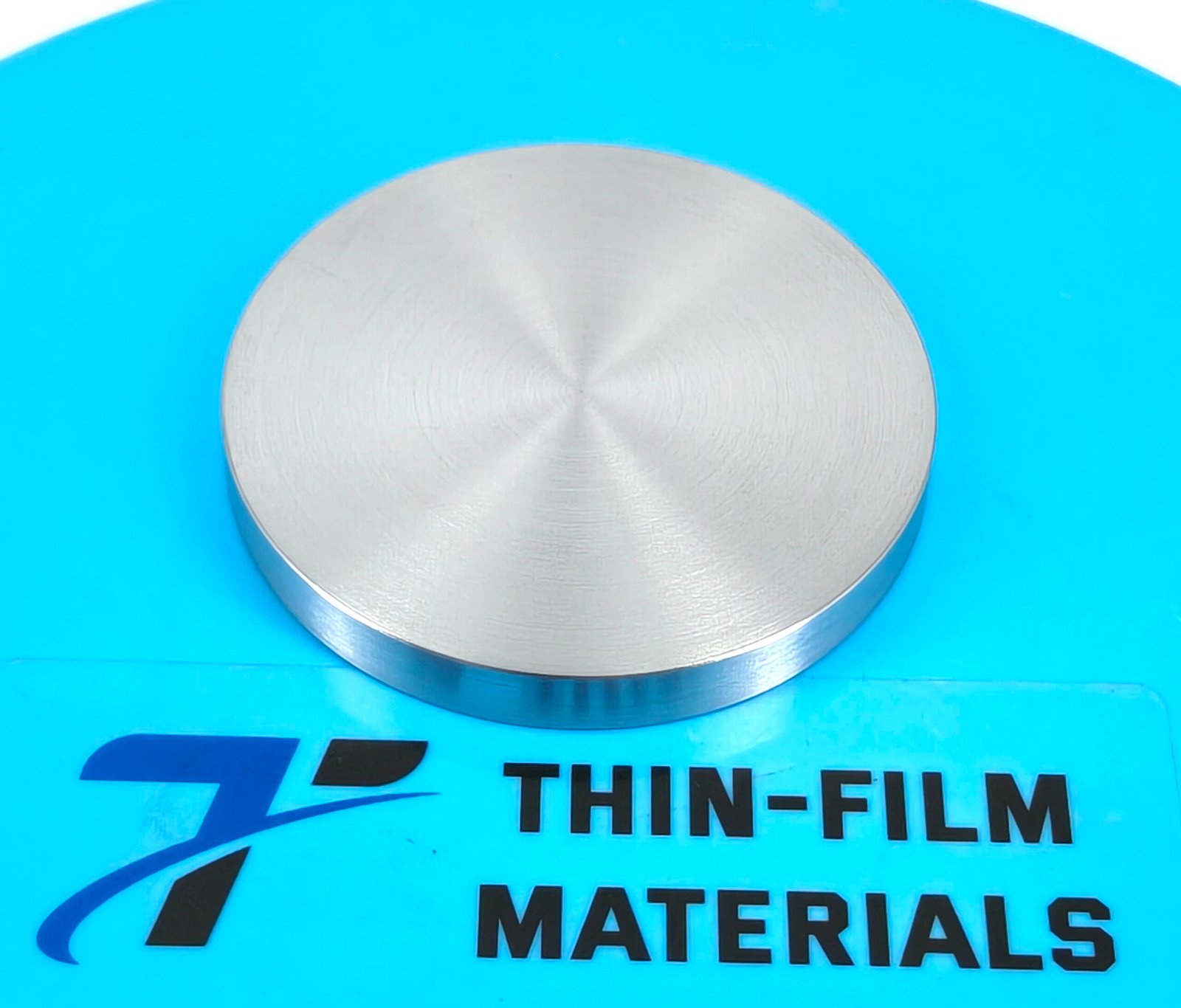
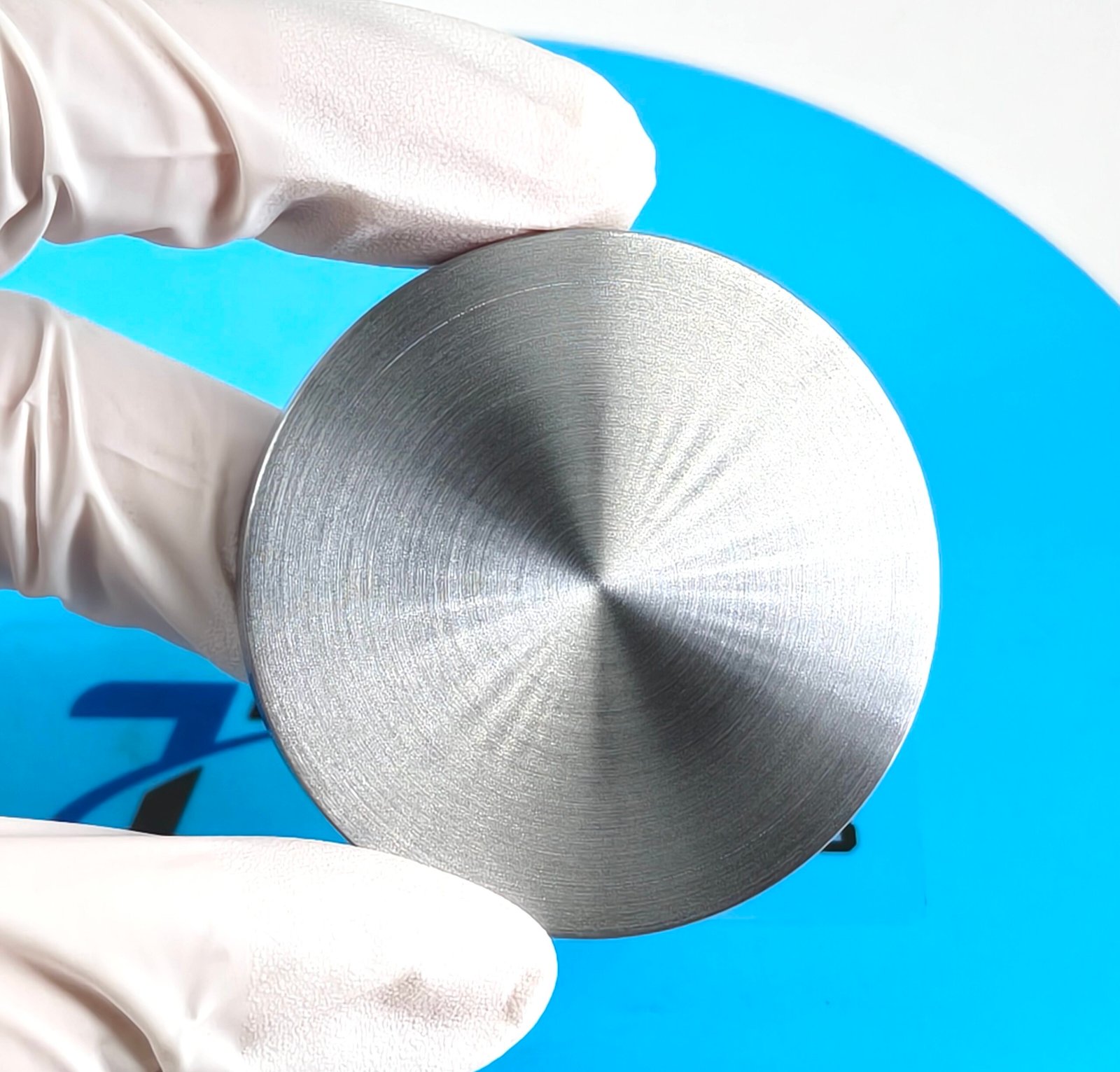
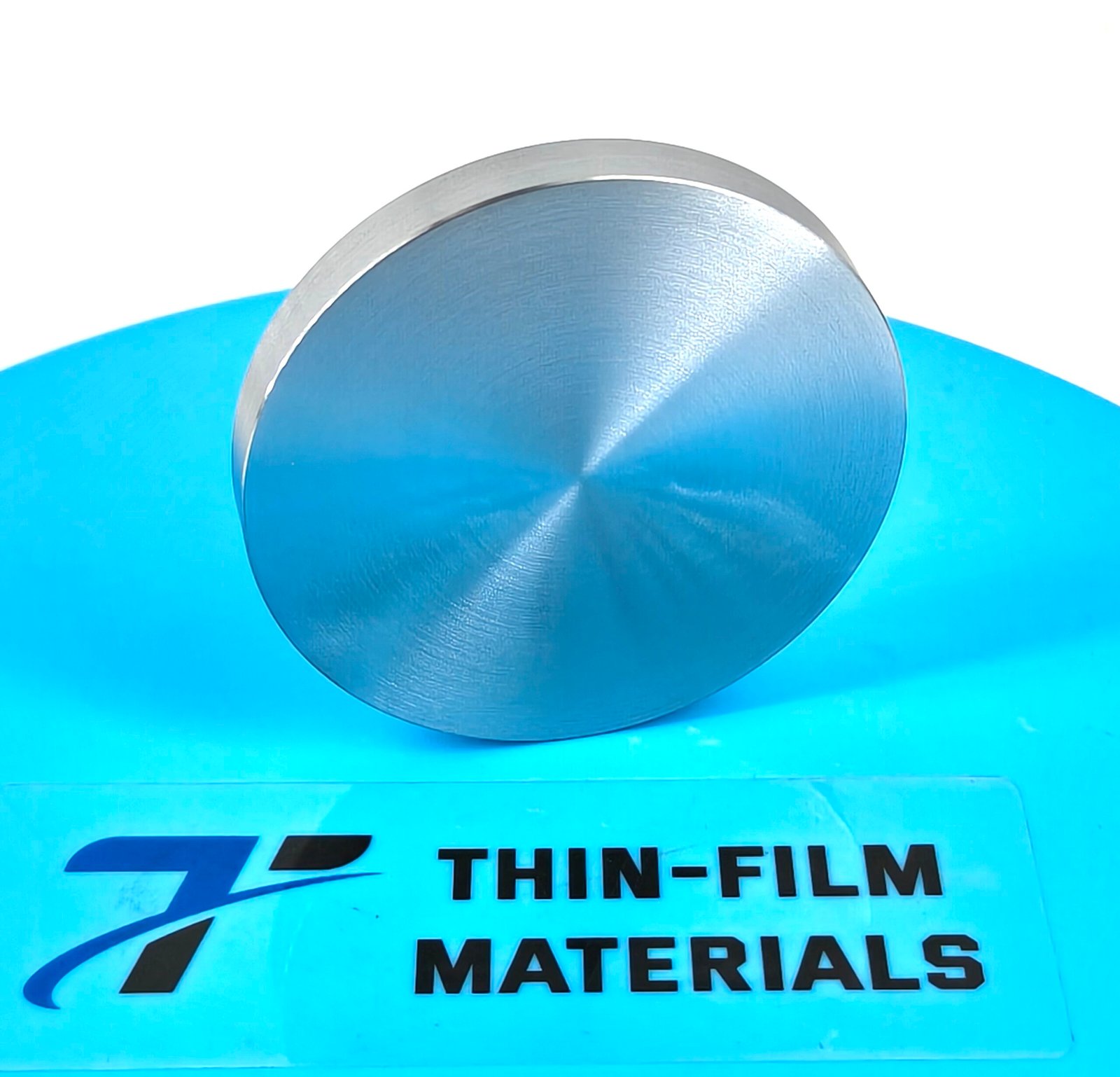
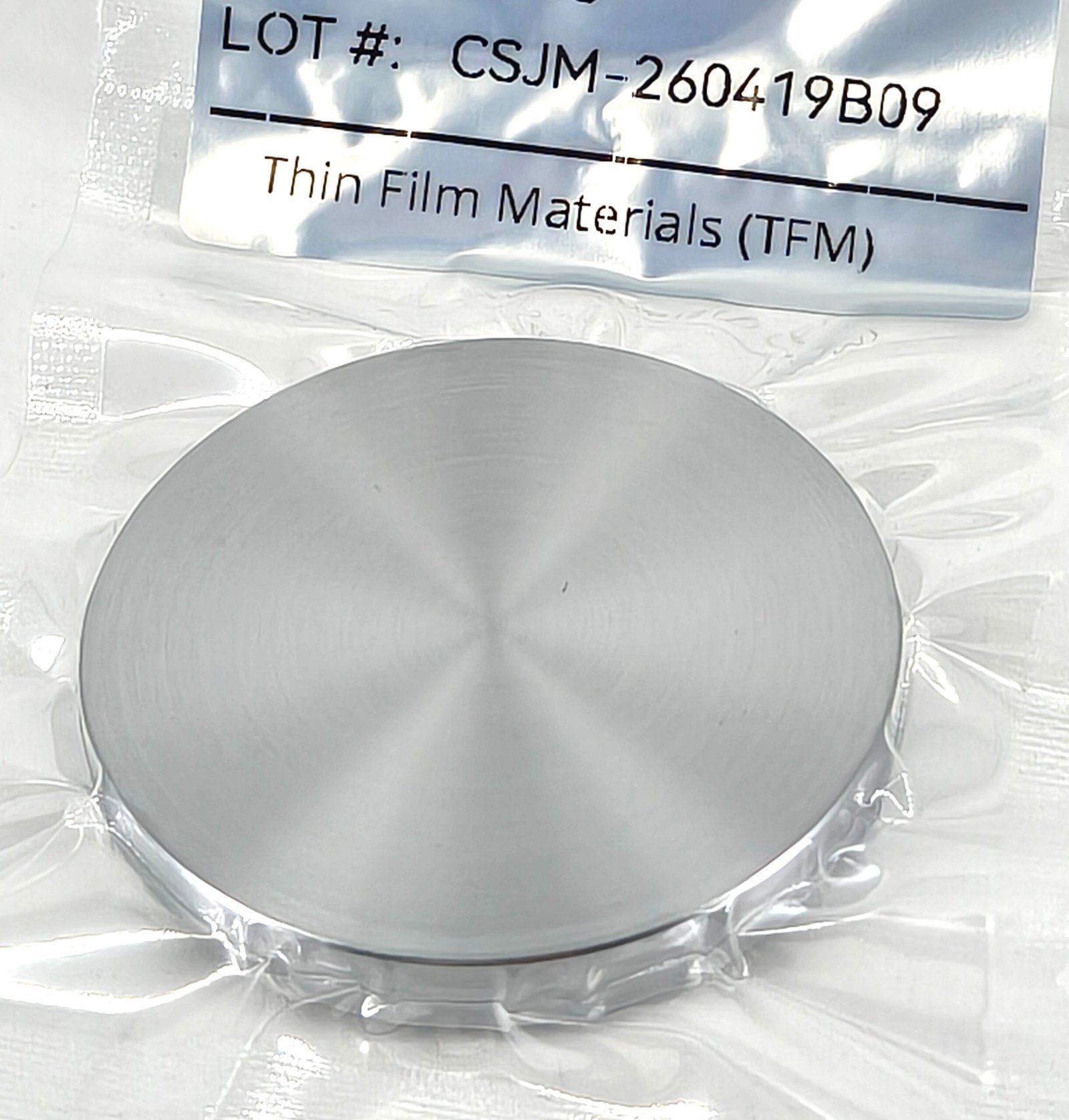
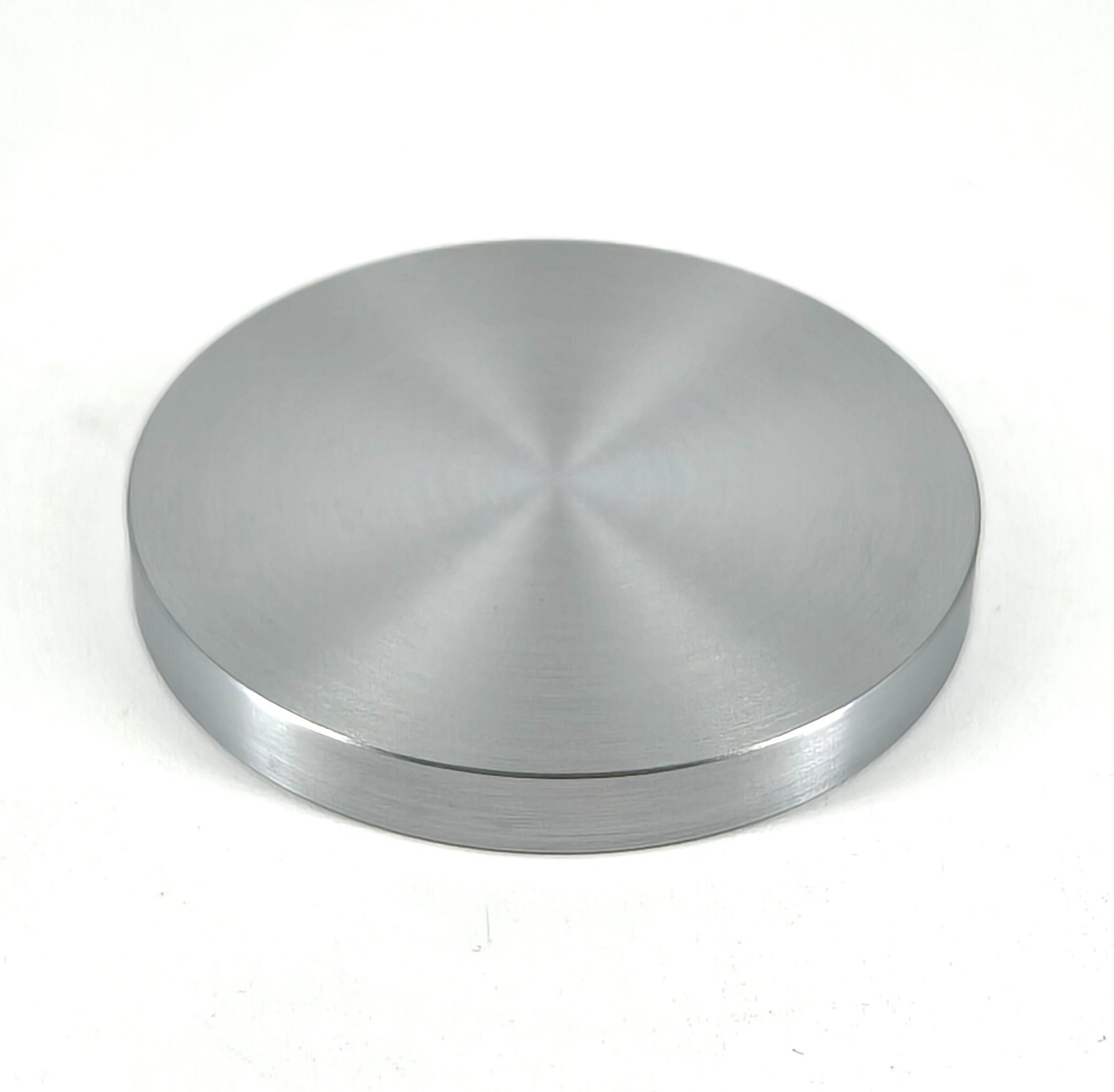
Chromium Sputtering Target

ST0009 Chromium (Cr) Sputtering Target

High-purity chromium sputtering targets for adhesion layers, optical coatings, photomask films, and reactive CrN / CrOx deposition.

Available in standard discs, U.S. Gun formats, TORUS Mag keeper-mounted designs, bonded assemblies, rectangular plates, and drawing-specific replacement geometries.

3N–5N Options
DC & Reactive Sputtering
U.S. Gun / TORUS Mag
Bonded / Unbonded
CoA Available

Quick Specifications

ItemAvailable / Information to Confirm
MaterialElemental Chromium, Cr
CAS Number7440-47-3
Purity3N–5N options may be reviewed; final grade and project-critical impurity limits are subject to material and specification review
FormsDisc, rectangular plate, step target, center-hole or threaded target, keeper-mounted target, bonded assembly, segmented or drawing-specific geometry
Current Catalog ExamplesStandard inch-size discs, 54 mm and 57 mm thin targets, U.S. Gun formats, TORUS Mag Keeper 2/3/4 formats, 6–8 inch discs, and a large rectangular 402 × 131 × 16 mm example; reconfirm current availability
Mounting / CathodeStandard planar gun, U.S. Gun, TORUS Mag keeper, center hole, thread, recess, shoulder, installed-height or custom cathode interface
BondingUnbonded, keeper-mounted or bonded to copper / system-specific backing plates after technical review
Sputtering ModeDC magnetron commonly used for metallic Cr; pulsed DC, RF and reactive Ar/N₂ or Ar/O₂ processes require system and film review
Surface ConditionMachined, ground, cleaned, protected or drawing-specific surface and edge condition
DocumentationOrder-specific CoA, chemical composition or impurity data, dimensional inspection, and agreed bonding / assembly records
Engineering note: Use measurable target and assembly acceptance criteria for purchasing. Treat film performance as a process-dependent result that must be qualified on the customer’s deposition platform.

Product Overview

A chromium sputtering target should be selected according to the intended film, purity and critical impurities, target dimensions, cathode or keeper interface, bonding construction, power mode, reactive gas route, and documentation scope.

Metallic chromium is electrically conductive and is commonly deposited by DC magnetron sputtering for elemental Cr films. Introducing nitrogen or oxygen creates a reactive route for CrNx, Cr₂N, CrOx or Cr₂O₃-type films. A dedicated chromium nitride or chromium oxide target is a different source route and should not be treated as interchangeable with metallic Cr without process qualification.

Final film adhesion, stress, resistivity, hardness, optical response, color, and durability depend on the complete deposition process, including substrate preparation, pressure, power, gas control, temperature, film thickness, and layer-stack design.

Key procurement point:
TFM can document agreed target and assembly properties, while film performance should be qualified on the customer’s sputtering system.

Explore the wider Pure Metal Targets and Sputtering Targets ranges.

Chromium Target Deposition Routes

Metallic chromium targets can be used for elemental Cr films or reactive nitride / oxide deposition. The correct route depends on gas chemistry, power mode, target-surface condition, and the qualified film process.

chromium-deposition-routes
Metallic Cr targets can support elemental Cr, reactive CrNx, and reactive CrOx deposition routes.

Target Specifications and Film Performance

Target specifications define measurable purchasing and inspection criteria. Film properties still depend on the deposition system, gas chemistry, substrate, power, temperature, and qualified process recipe.

Target SpecificationWhat It Helps ControlWhat It Does Not Guarantee
Purity & Critical ImpuritiesSupplied target chemistry and the agreed contamination basisFinal film purity without chamber, gas, substrate and handling control
Target Density & Internal IntegrityMechanical stability, erosion consistency and particle tendencyParticle-free deposition at every power density or cathode condition
Grain StructureLocal erosion response and microstructural consistency in the targetThe same grain size, texture or stress state in the deposited film
Surface & Edge ConditionInitial conditioning, cleaning and contamination controlFinal film roughness or defect density after process interaction
Keeper / Cathode GeometryInstalled fit, electrical contact, cooling interface and erosion profileIdentical thickness uniformity between different sputtering systems
Bonded ConstructionMechanical support and a defined thermal interfaceA universal maximum allowable power independent of cooling and ramp rate
Reactive Gas RouteEnables CrNₓ or CrOₓ formation from a metallic Cr sourceExact film stoichiometry, phase, hardness, color or resistivity without process qualification
Target DimensionsCathode compatibility, usable erosion depth and installed heightA universal target lifetime independent of power, erosion track and process recipe

Catalog Geometry Examples and Custom Formats

The following examples demonstrate common chromium target geometry families. Availability, purity grade, quantity, lead time, and manufacturing feasibility should be reconfirmed at quotation.

Configuration FamilyExamples Currently Listed
Standard Circular DiscsØ1–4 in. examples at 3.18 or 6.35 mm thickness; additional 6 and 8 in. examples are listed
U.S. Gun TargetsØ2, Ø3 and Ø4 in. × 6.35 mm examples for U.S. Gun formats
TORUS Mag Keeper TargetsTORUS Mag Keeper 2, 3 and 4 examples at Ø2, Ø3 and Ø4 in. × 6.35 mm
Thin Metric TargetsØ54 × 1 mm and Ø57 × 1 mm catalog examples
Large Rectangular TargetCr 3N6, 402 × 131 × 16 mm catalog example

Available Chromium Target Configurations

Standard Circular Planar Targets

standard-circular-chromium-target

Use: Laboratory and production planar magnetrons using standard disc formats.

Confirm: Diameter, thickness, purity, flatness, edge condition, tolerance, erosion zone and clamping method.

U.S. Gun & Center-Hole Targets

U.S. Gun / Center-Hole Chromium Target

Use: Cathodes requiring a center hole, thread, recess, shoulder or gun-specific installed height.

Confirm: Gun manufacturer and model, hole/thread specification, recess, shoulder, installed height, keeper and current-target drawing.

TORUS Mag Keeper Targets

Use: TORUS Mag Keeper 2, 3 and 4 systems and related keeper-mounted replacement targets.

Confirm: Keeper number, target diameter and thickness, screw or recess geometry, installed height, contact face and cooling interface.

Rectangular, Step & Bonded Replacements

custom-chromium-target-assembly

Use: Inline coaters, large plates, step targets, bonded assemblies and drawing-specific replacements.

Confirm: L × W × thickness, steps, holes, backing plate, bond system, total assembly thickness, cooling, power and acceptance drawing.

Explore TFM’s Thin-Film Applications for additional device and coating examples.

Chromium (Cr) Sputtering Target Applications

Chromium can support elemental Cr films as well as reactive chromium nitride and oxide deposition routes. Each application should be qualified against the actual substrate, stack, and sputtering process.

Adhesion, Underlayer & Seed Structures

Chromium Adhesion & Underlayer Films

Film role: A thin metallic Cr layer used as an adhesion-promoting underlayer, seed layer or interface layer within a qualified multilayer stack.

Why chromium: Chromium is commonly evaluated where a thin metallic underlayer must support subsequent optical, conductive or patterned layers. Adhesion is system-specific and must be qualified on the actual substrate and stack.

Confirm: Substrate and cleaning method, native oxide, Cr thickness, subsequent layer, deposition pressure, substrate temperature, stress and adhesion test method.

Optical, Photomask & Absorbing Layers

Chromium Films for Optical and Photomask Structures

Film role: Metallic Cr or chromium-containing layers used in optical stacks, photomask structures, absorbing layers and reflectance-control systems.

Why chromium: Chromium can provide useful absorption and underlayer behavior, but optical constants and final reflectance depend on thickness, oxidation, wavelength and surrounding layers.

Confirm: Wavelength range, optical constants, film thickness, roughness, patterning / etching route, oxidation state, substrate and multilayer design.

Decorative & Protective Coating Systems

Film role: Metallic Cr, CrNₓ or CrOₓ layer within decorative, wear-resistant or corrosion-control coating systems.

Why chromium: Chromium-based systems are selected when appearance, hardness, wear response or corrosion behavior has been qualified for the full coating stack. The target alone does not define color or durability.

Confirm: Required appearance, reactive gas, substrate pretreatment, hardness / wear test, corrosion test, coating thickness, bias and post-treatment.

Reactive Chromium Nitride & Oxide Deposition

Reactive Chromium Nitride and Oxide Deposition

Film role: A metallic Cr target used with nitrogen or oxygen to form CrNₓ, Cr₂N, CrOₓ or Cr₂O₃-type films.

Why chromium: Choose the metallic route when the process is developed around reactive-gas control and metallic Cr. Choose a dedicated compound target when the system is qualified around a direct Cr₂N or Cr₂O₃ source.

Confirm: Metallic or compound-target route, Ar/N₂ or Ar/O₂ flow, power mode, target poisoning, hysteresis, substrate bias, temperature, phase, stoichiometry and acceptance test.

How to Select a Chromium Sputtering Target

Target chemistry, density, resistivity, geometry, bond, cathode, power, and cooling should be reviewed as one deposition system.

Selection FactorWhat to ConfirmWhy It Matters
Intended FilmElemental Cr, reactive CrNₓ / Cr₂N, reactive CrOₓ / Cr₂O₃-type film, or multilayer structureDetermines metallic, reactive or direct compound-target route and the film qualification method
Purity & Impurities3N–5N grade review and maximum limits for project-critical elementsNominal N-grade alone may not cover contaminants that matter to a semiconductor, optical or resistor process
Dimensions & Installed FitDiameter or L × W, thickness, step, hole, thread, recess, shoulder and installed heightThe target must match the cathode, keeper, electrical contact, cooling interface and erosion profile
Gun / Keeper DetailsManufacturer, model, U.S. Gun or TORUS Mag keeper number, current target photo and drawingGun-specific dimensions can differ even when nominal diameter and thickness are similar
Bonding & Backing PlateUnbonded, keeper-mounted or bonded; backing material, dimensions, holes, PCD and total thicknessAffects support, heat transfer, fit and practical operating conditions
Power Mode & Reactive GasDC, pulsed DC or RF; Ar, Ar/N₂, Ar/O₂ or another process gasControls plasma behavior, target-surface condition, arcing, target poisoning, deposition rate and film chemistry
Power & CoolingMaximum power, ramp rate, duty cycle, run time, water flow, inlet temperature and interlocksDetermines thermal stability, bond performance and usable operating window
Surface & PackagingMachined or ground face, cleanliness, edge protection, handling and sealed packagingImportant for initial conditioning and contamination-sensitive deposition
Acceptance & DocumentsCoA, impurity data, dimensional report, bond / assembly record and drawing revisionConverts general supply claims into measurable order acceptance criteria
Select purity from the actual film and contamination requirements rather than from the N-grade alone. State any critical impurity limits separately and confirm whether the certificate reports total purity, individual elements, or both. Surface condition, inclusions, microstructure, machining damage and target integrity can all influence conditioning, arcing and particle behavior. Do not replace measurable acceptance criteria with generic phrases such as “high purity,” “fine grain,” or “high density” unless the measurement basis and limit are agreed.
Metallic chromium is conductive and is commonly sputtered using DC magnetron power. Introducing nitrogen or oxygen can form chromium nitride or chromium oxide films, but gas flow, pressure, power, target poisoning, hysteresis, substrate bias and temperature affect film phase and stoichiometry. TFM also lists dedicated chromium nitride (Cr₂N) and chromium oxide (Cr₂O₃) targets. A metallic Cr target and a compound target should not be treated as interchangeable routes without process qualification.
Confirm the source manufacturer and model, nominal diameter, thickness, center hole, thread, recess, shoulder, keeper profile, installed height and cooling interface. A standard disc, U.S. Gun target and TORUS Mag keeper target can share a nominal diameter while requiring different mechanical features. Bonding may be considered when the assembly needs a defined thermal interface or backing construction, but bonded and unbonded targets should not be assumed to operate at the same power or cooling conditions.
Need help confirming purity, U.S. Gun or TORUS Mag fit, reactive-gas route, bonding or inspection requirements? Request a Technical Review.

Chromium vs Related Sputtering Target Materials

These materials may appear in similar coating systems, but they are not direct substitutes. The correct choice depends on source chemistry, film function, process route, electrical behavior, and qualified film requirements.

Material Best Suited ForChoose WhenKey Specifications to Confirm
Chromium, CrElemental Cr films, adhesion / underlayers, optical and patterned structures, and reactive CrNₓ or CrOₓ routes.Choose when chromium-specific metallic or reactive-film chemistry is required. It is the flexible metallic source route, not a direct replacement for an alloy or compound target.Purity, critical impurities, dimensions, gun / keeper, surface, reactive gas, bonding, power and cooling.
Chromium Nitride, Cr₂NDirect chromium nitride compound-target route for nitride, wear-resistant and functional films.Choose when the deposition process is qualified around a Cr₂N target rather than nitrogen-reactive sputtering from metallic Cr.Cr/N basis, phase, purity, density, conductivity, dimensions, bonding and compatible power mode.
Chromium Oxide, Cr₂O₃Direct chromium oxide route for optical, protective, resistive or functional oxide films.Choose when the process uses a Cr₂O₃ source rather than oxygen-reactive sputtering from metallic Cr.Cr/O basis, phase, purity, density, resistivity, RF compatibility, dimensions and bonding.
Titanium, TiTi adhesion, barrier, seed and reactive TiN / TiOₓ systems.Choose for titanium-specific interfacial or reactive chemistry. “Adhesion layer” alone is not enough to make Ti and Cr interchangeable.Grade / purity, dimensions, gas chemistry, film stack, bonding, power and cooling.
Nickel Chromium, NiCrAlloy films for thin-film resistors, controlled resistance and Ni–Cr functional layers.Choose when an alloy composition, sheet resistance or TCR objective requires Ni–Cr rather than elemental chromium.Ni/Cr ratio and basis, purity, target resistivity, density, dimensions, film resistance and TCR objective.
Tantalum, TaTa, TaN and TaOₓ barrier, electrode, resistor and functional coating systems.Choose when tantalum-specific electrical, diffusion-barrier, corrosion or device behavior is required.Purity, phase, dimensions, reactive gas, backing / keeper, power and cooling.
Selection summary: 
Choose metallic Cr for elemental chromium films or flexible reactive CrNₓ / CrOₓ deposition. Choose a dedicated Cr₂N or Cr₂O₃ target when the process is qualified around a compound source. Choose Ti, NiCr or Ta only when their specific chemistry, film function or electrical behavior is required.

Manufacturing, Inspection & Documentation

Custom Manufacturing

1. Standard inch-size and metric circular targets
2. Center-hole, threaded, recess, shoulder, and keeper-mounted targets
3. U.S. Gun and TORUS Mag replacement geometries
4. Rectangular, step, segmented, and large-area targets
5. Unbonded or drawing-specific bonded assemblies after review

Inspection & Acceptance

1. Diameter, L × W, thickness, flatness, and parallelism
2. Hole, thread, recess, shoulder, keeper, and installed-height checks
3. Surface and edge-condition inspection
4. Backing-plate, total-thickness, and bonded-assembly inspection where agreed
5. Inspection against approved drawing, revision, and acceptance limits

Documentation & Packaging

1. Order-specific Certificate of Analysis
2. Chemical composition or individual impurity data
3. Dimensional inspection report
4. Bonding / assembly record where agreed
5. Lot and drawing-revision traceability
6. Protected sputtering face, clean inner packaging, and export-safe cushioning

Learn more about TFM’s Manufacturing Capabilities and Service & Support.

Project note: Customer-specific impurity limits, inspection methods, report formats, third-party testing, special cleaning, bonded-assembly acceptance and packaging requirements should be confirmed before production and included in the quotation scope.

RFQ Checklist: What to Provide

RFQ FieldExample / Information to Provide
Material / PurityChromium, Cr; requested grade such as 3N5, 4N or another reviewed grade
Critical ImpuritiesMaximum limits for project-critical elements or a customer impurity specification
Intended FilmElemental Cr, reactive CrNₓ, reactive CrOₓ / Cr₂O₃-type film, resistor layer, optical layer or multilayer structure
Shape & DimensionsDisc, rectangle, step, keeper-mounted or bonded; diameter or L × W, thickness, tolerances and installed height
QuantityRequired number of targets or complete assemblies
Gun / KeeperManufacturer, model, U.S. Gun or TORUS Mag keeper number, center hole, thread, recess and current-target photo
Bonding / Backing PlateUnbonded, keeper-mounted or bonded; backing material, dimensions, holes, PCD, bond system and total thickness
Power Mode / GasDC, pulsed DC or RF; Ar, Ar/N₂, Ar/O₂ or another gas mixture
Operating ConditionsMaximum power, ramp rate, duty cycle, run time, cooling-water flow and inlet temperature
Surface / PackagingMachined or ground face, cleaning, edge protection and any special handling requirements
Documents / Drawing / DeliveryCoA, impurity data, dimensional report, bond record; PDF / STEP / DWG / photo; city, postal code and country
Minimum information: Purity, intended film, target dimensions, quantity, gun or keeper model, bonded or unbonded construction, drawing or current-target photograph, and delivery location.
Example RFQ: Chromium sputtering target, Cr 99.95%, Ø76.2 × 6.35 mm, quantity 2 pcs, unbonded, for DC magnetron deposition of elemental Cr adhesion layers. CoA and dimensional inspection report required. Please quote price, lead time and shipping.

Cr Target FAQ

It is used to deposit transparent conductive indium tin oxide films for displays, touch panels, photovoltaic contacts, LEDs, photodetectors, sensors, electrochromic devices, transparent heaters, and functional glass coatings.
It commonly means 90 wt% In₂O₃ and 10 wt% SnO₂, but only when the weight-percent and oxide basis are stated. A 3N–5N atomic-percent or molar-percent composition is different.
4N normally indicates 99.99% purity according to the agreed oxide or impurity basis. It does not describe the In₂O₃/SnO₂ mixing ratio or its accuracy.
Density and pore structure affect ceramic integrity, particle risk, arcing, and erosion. Target resistivity helps evaluate power-mode and plasma compatibility. They should be specified separately from film properties.
No. Film resistivity also depends on oxygen partial pressure, power, working pressure, substrate, thickness, annealing, chamber condition, and the measurement method.
Some conductive, high-density Cr targets can be used with DC or pulsed DC, while RF is also common. Compatibility should be confirmed from measured target resistivity, the power supply, cathode, and oxygen process.
Bonding may be selected for thin, large, brittle, or higher-load ceramic targets. The ceramic thickness, bond coverage, backing plate, cooling interface, power, and run time should be reviewed together.
Planar targets are used in planar magnetrons and are common in laboratories and many production coaters. Rotary targets are used in rotatable cathodes for large-area or continuous production and require tube, active-length, end-geometry, and cooling details.
No. The target is one process input. Final film properties depend on the complete deposition and annealing process and should be qualified on the customer’s system.
Provide composition and ratio basis, purity, target dimensions, quantity, density or resistivity requirements, bonding and backing plate, cathode model, process conditions, intended film, documentation, drawing, and delivery location.

Request an Cr Target Quote

Please provide the requested purity and critical impurities, intended film, target dimensions, quantity, U.S. Gun or TORUS Mag keeper information, bonding and backing-plate details, power mode, reactive gas, operating conditions, required documents, drawing or current-target photograph, and delivery location.

Shopping Cart
Scroll to Top