
 MSDS File
What is magnesium oxide evaporation material?
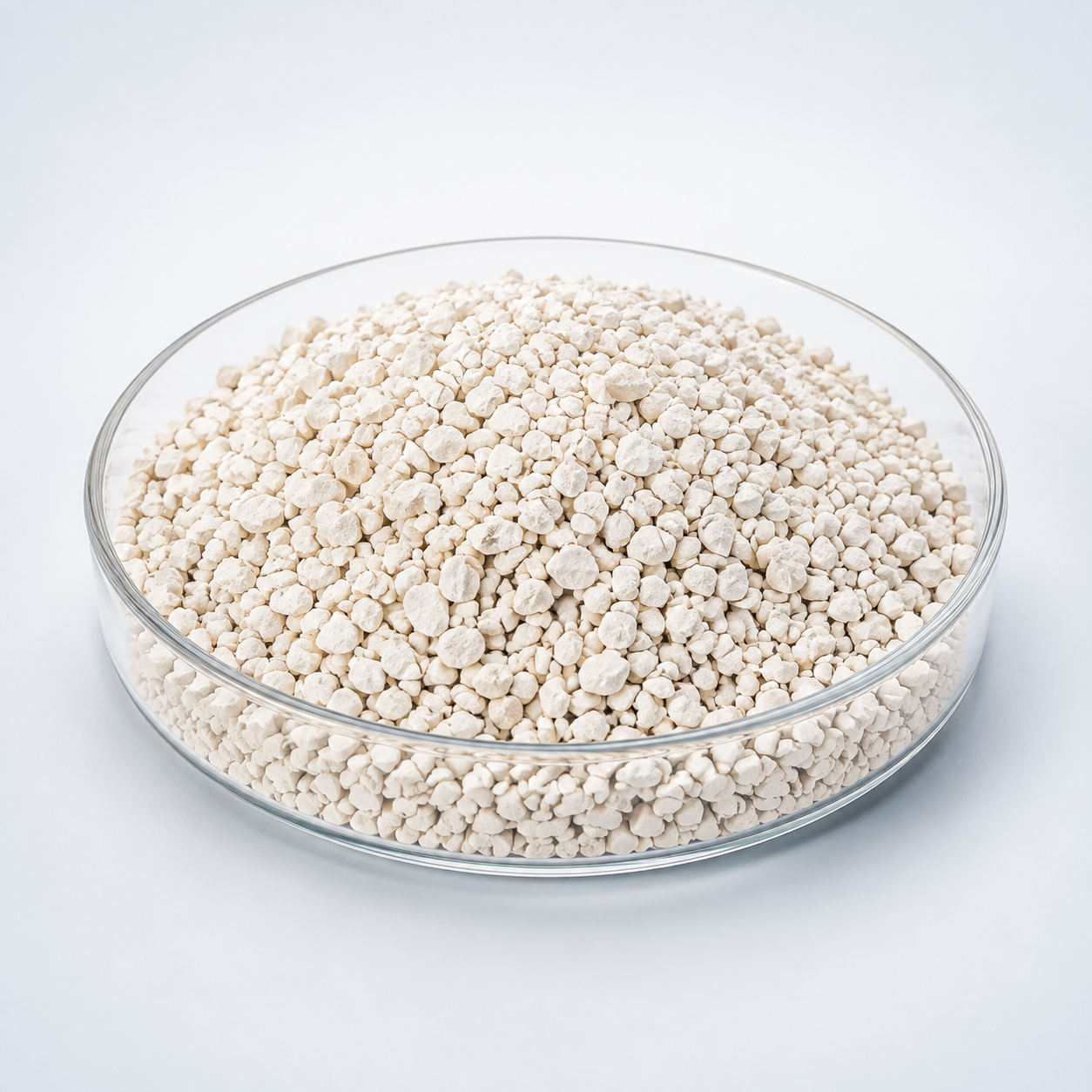
Magnesium oxide evaporation material is an MgO ceramic source used to deposit magnesium-oxide-based films by vacuum evaporation. The RFQ should state the composition and purity basis, source form and dimensions, charge quantity, evaporation method, source-holder geometry, oxygen strategy, and film acceptance measurements. Source composition identifies the starting material, but the deposited film composition and phase must be verified under the intended process.
Use the Evaporation Materials catalog when the source material or form is still being selected.
Evaporation Behavior and Process Considerations
Electron-beam evaporation is frequently evaluated for ceramic oxides because many have high melting temperatures. During heating, oxygen can be lost or the source can partially dissociate, so oxygen partial pressure, substrate temperature, deposition rate, and any post-deposition anneal may need optimization. The source should be conditioned gradually to minimize cracking, spitting, and sudden outgassing.
MgO evaporation material selection data
| Selection field | What to specify | Why it matters |
|---|---|---|
| Material identity | MgO, requested composition, and purity basis | Defines the oxide source and order-specific chemistry requirement |
| Source form | Requested form, dimensions or size range, mass, and quantity | The charge must be reviewed against the source holder without assumed geometry |
| Evaporation method | Electron-beam or other intended method, equipment model, and operating constraints | Heating route and equipment geometry affect source conditioning |
| Holder compatibility | Crucible, liner, hearth, boat, or basket material and dimensions | Compatibility must be reviewed for the intended temperature and process |
| Process and film checks | Oxygen strategy plus composition, phase, thickness, optical, electrical, or structural measurements | The deposited film must be qualified under the intended process window |
| Inspection and documents | List composition, dimensional, visual, packaging, or lot-document evidence required | Keeps order acceptance criteria separate from catalog assumptions |
Typical Thin-Film Applications
- MgO dielectric, optical, protective, and other functional-film research
- Electronic, sensor, semiconductor, or multilayer studies where the approved layer design specifies MgO
- Projects with defined film composition, oxygen content, phase, thickness, or other acceptance measurements
Application fit depends on the complete layer design and qualified process. Review the broader thin-film application categories before finalizing the source RFQ.
Source Form and Ordering Considerations
For an MgO evaporation-material quotation, provide composition and purity basis, requested form and dimensions, mass or quantity, evaporation method, oxygen strategy, and the crucible, liner, boat, basket, or e-beam hearth dimensions. Include required film measurements and any inspection or lot-document requirements. Send the available specification and source-holder information to TFM for review; form, dimensions, purity, packaging, documentation, and feasibility remain subject to quotation and approved specification.
Frequently Asked Questions
Is Magnesium Oxide commonly evaporated by electron beam?
Electron-beam evaporation is frequently evaluated for high-melting ceramic oxides because it can provide localized heating. The exact method depends on the oxide, source form, and required film properties.
Can Magnesium Oxide lose oxygen during evaporation?
Yes. Some oxides can partially dissociate or become oxygen-deficient under vacuum heating. Oxygen partial pressure, substrate temperature, deposition rate, and post-annealing can influence the final film composition.
Why can oxide evaporation sources spit or crack?
Rapid heating, trapped gas, porosity, and thermal gradients can cause cracking or particle ejection. A gradual conditioning ramp and stable source geometry help reduce these effects.
Does the deposited film always match the composition of MgO?
Not always. Preferential evaporation, oxygen loss, decomposition, and substrate conditions can shift film chemistry or phase relative to the source material.
What source form is suitable for Magnesium Oxide?
Pellets, tablets, pieces, or granules may be used depending on the e-beam pocket or crucible. A dense and mechanically stable source form is usually easier to condition reproducibly.
What information should I provide for a magnesium oxide quotation?
Provide formula or composition, purity, source form and size, quantity, evaporation method, source-holder dimensions, and any film-composition or documentation requirements.
Reviews
There are no reviews yet.