
Introduction
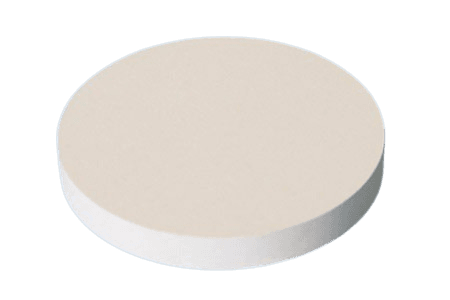
The Tantalum Doped Lithium Lanthanum Zirconate Sputtering Target (Ta-LLZO) is a high-performance ceramic target used in thin film deposition for solid-state battery technologies and advanced energy storage systems. Tantalum-doped lithium lanthanum zirconate is a garnet-type solid electrolyte known for its high lithium-ion conductivity, excellent chemical stability, and compatibility with lithium metal anodes.
Using magnetron sputtering or other physical vapor deposition (PVD) techniques, Ta-LLZO sputtering targets enable the deposition of dense, uniform thin films suitable for solid-state lithium batteries, micro-batteries, and advanced electrochemical devices. These materials are widely studied for next-generation energy storage solutions due to their improved safety and performance compared with traditional liquid electrolytes.
Detailed Description
Tantalum-doped lithium lanthanum zirconate sputtering targets are typically manufactured from high-purity lithium, lanthanum, zirconium, tantalum, and oxygen compounds through controlled ceramic synthesis processes. Common manufacturing techniques include powder mixing, calcination, and high-temperature sintering or hot pressing to achieve a dense and homogeneous target structure.
The base compound, lithium lanthanum zirconate (Li₇La₃Zr₂O₁₂, commonly known as LLZO), has a garnet-type crystal structure that supports fast lithium-ion transport. Doping the material with tantalum improves the stabilization of the cubic phase of LLZO, which significantly enhances ionic conductivity and electrochemical stability.
Ta-LLZO thin films deposited through sputtering can serve as solid electrolyte layers in thin film batteries and microelectronic energy storage devices. These films provide excellent resistance to dendrite formation and chemical stability when in contact with lithium metal.
High-density sputtering targets help ensure stable sputtering rates and uniform film composition. Depending on the sputtering system requirements, Ta-LLZO targets can be supplied as planar ceramic targets or bonded targets with copper backing plates, improving heat dissipation and mechanical stability during deposition.
Applications
Tantalum-doped lithium lanthanum zirconate sputtering targets are primarily used in advanced energy and electronic technologies:
Solid-state lithium batteries using ceramic electrolytes
Thin film micro-batteries for microelectronics and MEMS devices
Energy storage research focused on next-generation battery materials
Electrochemical devices requiring lithium-ion conducting layers
Battery interface engineering in solid electrolyte systems
Academic and industrial research laboratories studying solid-state battery materials
Technical Parameters
| Parameter | Typical Value / Range | Importance |
|---|---|---|
| Chemical Formula | Li₇La₃Zr₂₋ₓTaₓO₁₂ (Ta-LLZO) | Determines ionic conductivity and electrolyte performance |
| Purity | ≥ 99.9% | Ensures stable electrochemical properties |
| Diameter | 25 – 300 mm (custom) | Compatible with common sputtering systems |
| Thickness | 3 – 6 mm | Influences sputtering stability and target lifetime |
| Density | ≥ 95% theoretical density | Supports uniform thin film deposition |
| Bonding | Copper backing plate / Indium bonded | Improves heat transfer during sputtering |
Comparison with Related Materials
| Material | Key Advantage | Typical Application |
|---|---|---|
| Ta-LLZO | High lithium-ion conductivity and dendrite resistance | Solid-state battery electrolytes |
| LLZO (undoped) | Garnet electrolyte structure | Solid-state lithium battery research |
| LiPON | Stable thin film electrolyte | Thin film lithium batteries |
FAQ
| Question | Answer |
|---|---|
| What is the advantage of tantalum doping in LLZO? | Tantalum stabilizes the cubic LLZO phase, which significantly improves lithium-ion conductivity and electrochemical stability. |
| What sputtering methods are suitable for Ta-LLZO targets? | RF magnetron sputtering is commonly used for depositing ceramic electrolyte thin films. |
| Can the target size be customized? | Yes. Targets can be manufactured in various diameters, thicknesses, and bonding configurations. |
| Are bonded sputtering targets available? | Yes. Ceramic targets can be bonded to copper backing plates to improve heat dissipation during sputtering. |
| What substrates are commonly used for Ta-LLZO films? | Films can be deposited on silicon wafers, stainless steel substrates, glass, and other battery-compatible materials. |
Packaging
Our Tantalum Doped Lithium Lanthanum Zirconate Sputtering Target (Ta-LLZO) products are meticulously tagged and labeled externally to ensure efficient identification and maintain high standards of quality control. Each target is carefully packaged in vacuum-sealed bags with protective foam materials and export-grade cartons or wooden crates to prevent contamination and mechanical damage during storage and transportation.
Conclusion
The Tantalum Doped Lithium Lanthanum Zirconate Sputtering Target (Ta-LLZO) is a critical material for the development of solid-state battery technologies and advanced electrochemical devices. Its high ionic conductivity, chemical stability, and compatibility with lithium metal make it an ideal electrolyte material for next-generation energy storage systems.
With customizable sizes, high-density ceramic manufacturing, and stable sputtering performance, Ta-LLZO sputtering targets support cutting-edge research and industrial development in solid-state battery technology.
For detailed specifications and a quotation, please contact us at sales@thinfilmmaterials.com.


Reviews
There are no reviews yet.