
Introduction
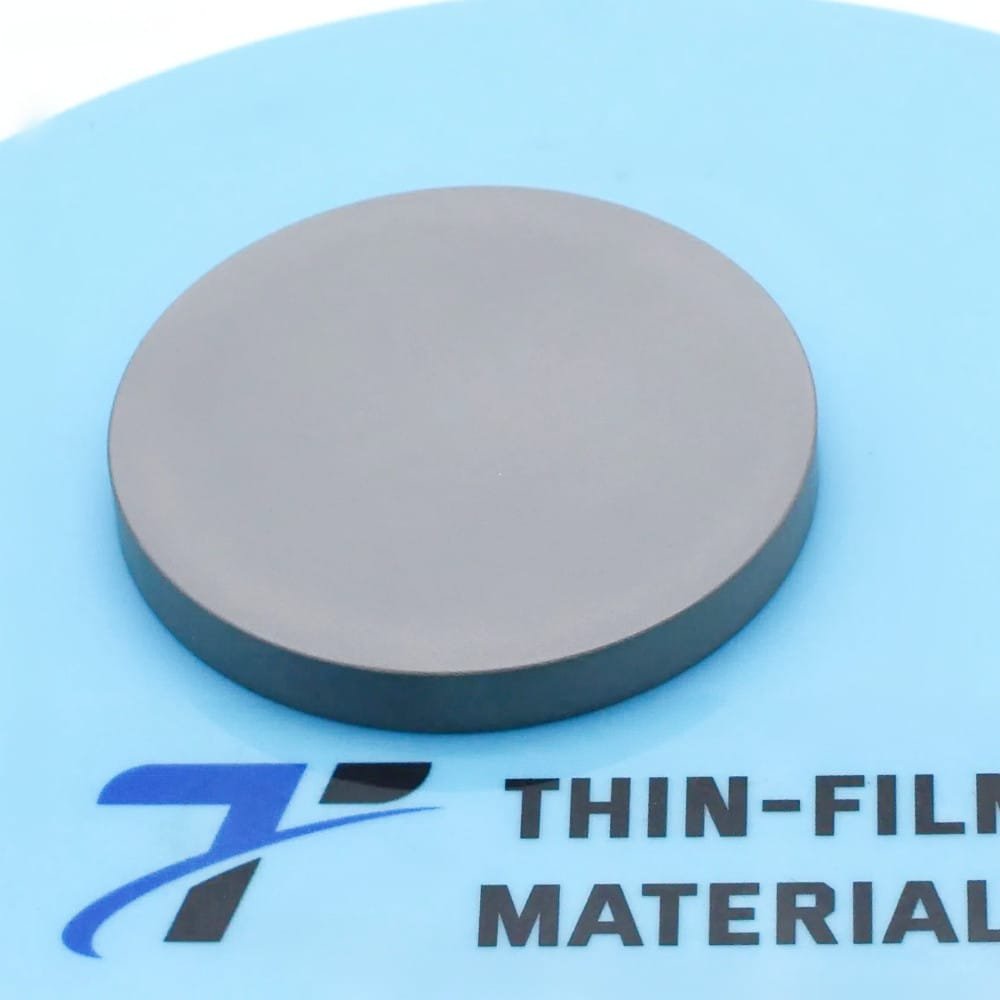
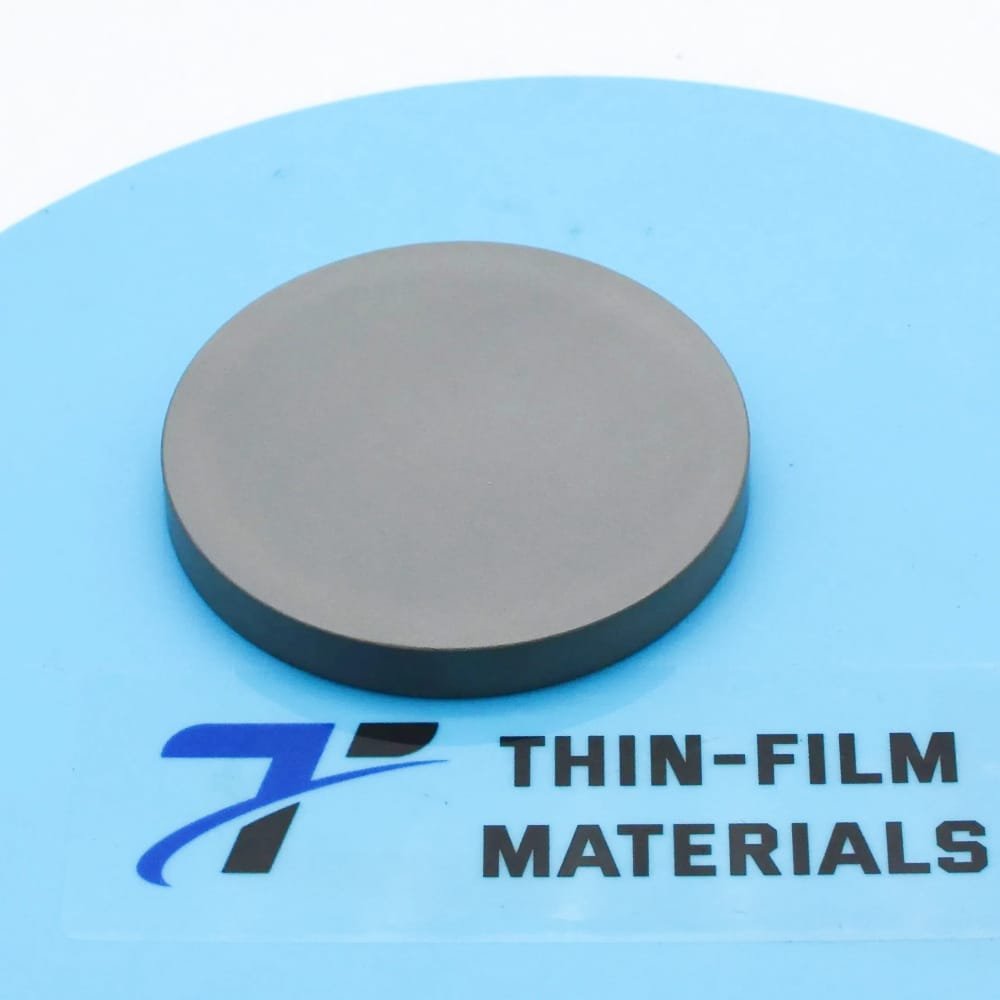
Tin Oxide Sputtering Targets, available in SnO₂ (tin dioxide) and SnO (tin monoxide) compositions, are widely used functional oxide materials in thin-film deposition. Thanks to their tunable electrical properties, optical transparency, and chemical stability, tin oxide targets play a critical role in transparent electronics, gas sensing, optoelectronics, and energy-related devices. Offering both oxidation states allows engineers and researchers to precisely tailor film behavior to specific application requirements.
Detailed Description
Tin oxide sputtering targets are manufactured from high-purity tin oxide powders with strictly controlled stoichiometry. Through optimized ceramic processing—powder synthesis, calcination, pressing, and high-temperature sintering—the targets achieve high density, uniform grain structure, and excellent compositional consistency. These characteristics are essential for stable plasma operation, reduced particle generation, and repeatable film performance.
SnO₂ is a wide-bandgap, n-type semiconductor oxide well known for its high optical transparency, chemical durability, and environmental stability. It is commonly used where transparent conductive or protective films are required.
SnO, with a lower oxidation state, exhibits different electrical behavior and defect chemistry, enabling more flexible control of conductivity and carrier type under suitable deposition conditions.
Using compound tin oxide targets simplifies process control compared with reactive sputtering from metallic tin, reducing oxygen flow sensitivity and improving batch-to-batch reproducibility. RF sputtering is typically recommended due to the semiconducting or insulating nature of these oxides.
Applications
Tin Oxide sputtering targets are commonly used in:
Transparent conductive films: Displays, touch panels, and optoelectronic devices
Gas and chemical sensors: Sensitivity driven by surface reactions and oxygen vacancies
Semiconductor devices: Buffer, window, and functional oxide layers
Optical coatings: Transparent and protective thin films
Energy devices: Electrodes and functional layers in batteries and photovoltaics
Research & development: Oxide electronics and defect-engineered thin films
Technical Parameters
| Parameter | Typical Value / Range | Importance |
|---|---|---|
| Chemical Composition | SnO₂ or SnO | Determines oxidation state and conductivity |
| Purity | 99.9% – 99.99% | Minimizes defects and contamination |
| Diameter | 25 – 300 mm (custom) | Compatible with standard sputtering cathodes |
| Thickness | 3 – 6 mm (typical) | Affects target lifetime |
| Density | ≥ 95% of theoretical | Ensures stable sputtering behavior |
| Sputtering Mode | RF (preferred) | Suitable for oxide materials |
| Bonding | Indium / Elastomer / Direct | Improves thermal and mechanical stability |
Comparison with Related Oxide Materials
| Material | Key Advantage | Typical Application |
|---|---|---|
| SnO₂ | High transparency, chemical stability | TCOs, sensors |
| SnO | Tunable conductivity, defect control | Functional oxide layers |
| In₂O₃ | High transparency | Display coatings |
| ZnO | Easy processing, low cost | Sensors, optoelectronics |
FAQ
| Question | Answer |
|---|---|
| Can SnO₂ and SnO targets be customized? | Yes, size, purity, density, and bonding options are available. |
| Which sputtering method is recommended? | RF sputtering is generally preferred for tin oxide targets. |
| Can oxidation state be tuned during deposition? | Yes, through target selection and process parameters. |
| How are the targets packaged? | Vacuum-sealed with protective cushioning for safe transport. |
Packaging
Our Tin Oxide Sputtering Targets (SnO₂ & SnO) are meticulously tagged and labeled to ensure accurate identification and strict quality control. Each target is vacuum-sealed and protected with reinforced cushioning to prevent contamination, moisture exposure, or mechanical damage during storage and transportation.
Conclusion
Tin Oxide Sputtering Targets in SnO₂ and SnO forms provide flexible, reliable solutions for depositing functional oxide thin films with controlled electrical and optical properties. With consistent quality, customizable configurations, and stable sputtering performance, these targets are well suited for both industrial production and advanced research applications.
For detailed specifications and a quotation, please contact us at sales@thinfilmmaterials.com.


Reviews
There are no reviews yet.