
 MSDS File
What is tungsten evaporation material?
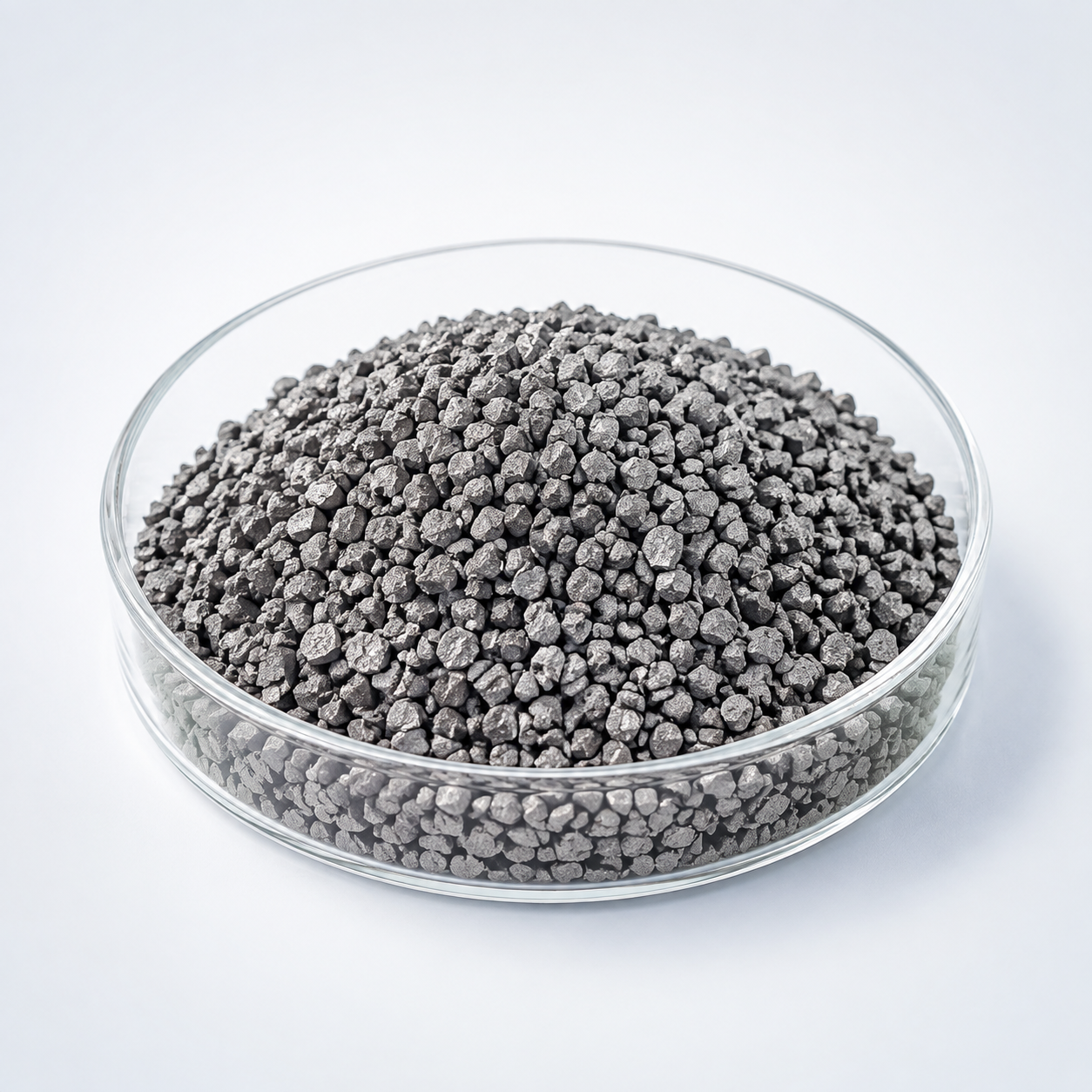
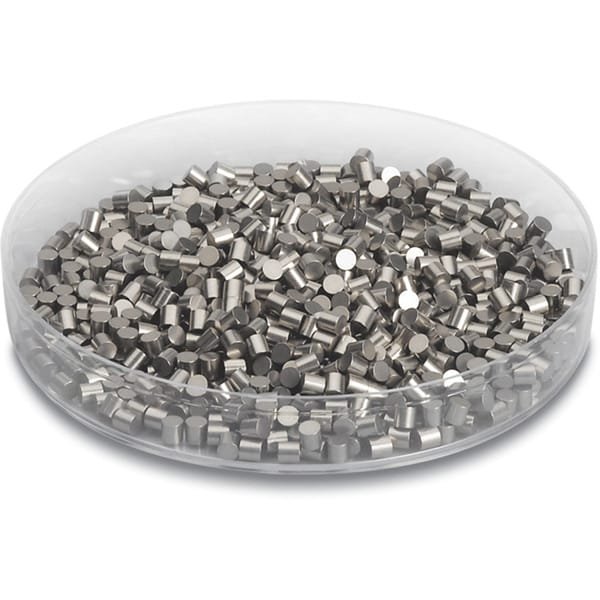
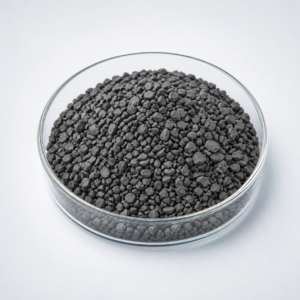
Tungsten evaporation material is elemental tungsten (W) prepared as a source charge for physical vapor deposition. Because tungsten is a refractory metal, electron-beam evaporation is commonly evaluated instead of assuming that a resistance-heated source will be suitable. The RFQ should state the required purity basis, source form and dimensions, charge quantity, evaporation method, holder geometry, and film acceptance requirements.
Use the Evaporation Materials catalog when the source material or form is still being selected.
Evaporation Behavior and Process Considerations
Electron-beam evaporation is commonly considered because it can concentrate heat directly on the charge without requiring the entire source holder to reach the material’s melting temperature. For high-melting metals, stable hearth cooling, charge placement, beam rastering, and conservative initial conditioning help reduce spitting and local overheating. The film deposition rate should be stabilized before opening the substrate shutter.
Tungsten evaporation material selection data
| Selection field | What to specify | Why it matters |
|---|---|---|
| Material identity | Elemental tungsten (W) and the required purity basis | Defines the source material and the contamination limits that must be reviewed |
| Source form | Requested form, dimensions or size range, mass, and quantity | The charge must fit the available source holder without assumed geometry |
| Evaporation method | Electron-beam or other intended method, equipment model, and operating constraints | Heating route and source geometry affect conditioning and process development |
| Holder compatibility | Crucible, liner, hearth, boat, or basket material and dimensions | Compatibility must be reviewed for the intended temperature and process |
| Film acceptance | Required composition, contamination, thickness, electrical, optical, or structural measurements | The deposited film must be qualified on the user’s actual process |
| Inspection and documents | List the dimensional, composition, visual, or lot-document evidence required | Keeps order acceptance criteria separate from generic catalog text |
Typical Thin-Film Applications
- Tungsten thin-film process development and material-characterization work
- Electrode, barrier, semiconductor, sensor, optical, or vacuum-device studies where the approved design specifies tungsten
- Projects that define film composition, contamination, thickness, structure, or electrical acceptance measurements
Application suitability depends on the complete layer design and qualified deposition process. Review the broader thin-film application categories before finalizing the source-material requirement.
Source Form and Ordering Considerations
For a tungsten evaporation-material quotation, provide the purity basis, requested source form and dimensions, mass or quantity, evaporation method, and the boat, basket, crucible, liner, or e-beam hearth dimensions. Include the intended layer stack and required film or lot-document checks when they affect acceptance. Send the available specification and source-holder information to TFM for review; form, dimensions, purity, packaging, documentation, and feasibility remain subject to quotation and approved specification.
Frequently Asked Questions
Is Tungsten better suited to thermal or e-beam evaporation?
Because refractory metals have high melting temperatures and low vapor pressures, electron-beam evaporation is often the more practical method. The final choice depends on the required rate, charge size, and evaporator design.
What source form is commonly used for Tungsten evaporation?
The appropriate charge form depends on the e-beam hearth, crucible, boat, or basket geometry and the equipment operating limits. Specify the holder dimensions and requested charge size in the RFQ rather than assuming a universal form.
Why is preconditioning important before evaporating Tungsten?
Gradual preheating helps remove adsorbed gases, stabilize the charge, and establish a repeatable evaporation rate before the substrate is exposed.
Can Tungsten react with the crucible or hearth?
Source compatibility depends on temperature and the chosen holder material. For high-temperature evaporation, the crucible or hearth design should be reviewed to minimize reaction, contamination, or wetting problems.
Does higher purity improve Tungsten thin films?
Higher purity can reduce unwanted metallic and nonmetallic contamination in the deposited layer. The required grade should be selected from the film’s contamination limits and device requirements.
What should I provide for a Tungsten evaporation-material RFQ?
Provide purity, source form, piece or pellet size, quantity, evaporation method, hearth or crucible constraints, and any film-purity or documentation requirements.
Reviews
There are no reviews yet.