
Introduction
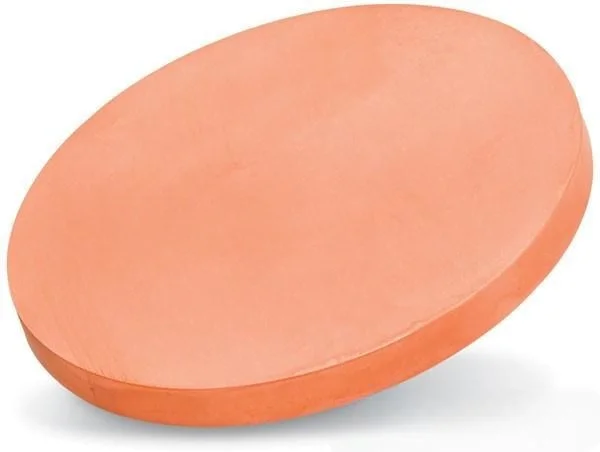
Zinc Copper (Zn/Cu) Sputtering Targets are alloy targets used for depositing functional thin films where controlled electrical conductivity, optical response, and corrosion behavior are required. By combining zinc’s reactivity and optical characteristics with copper’s excellent electrical conductivity and stability, Zn/Cu alloys enable tailored film properties for electronic, decorative, and functional coating applications.
Detailed Description
Our Zinc Copper Sputtering Targets are manufactured from high-purity zinc and copper through controlled alloying and densification processes to ensure uniform composition and stable sputtering behavior. Precise control of the Zn/Cu ratio is critical, as it directly influences film conductivity, transparency, adhesion, and environmental stability.
Compared with pure zinc targets, the addition of copper improves mechanical strength, reduces target oxidation sensitivity during handling, and enhances film durability. The optimized microstructure and high density help minimize particle generation, arcing, and uneven erosion during sputtering, supporting consistent deposition rates and film quality.
Zn/Cu Sputtering Targets are compatible with DC and RF magnetron sputtering systems, depending on alloy composition and deposition parameters. Targets can be supplied as monolithic pieces or bonded to copper or titanium backing plates to improve heat dissipation and extend target service life in high-power sputtering processes. A wide range of standard and custom sizes is available to match different cathode designs.
Applications
Zinc Copper Sputtering Targets are commonly used in:
Functional and decorative thin-film coatings
Electronic and microelectronic thin films
Optical and reflective coatings
Corrosion-resistant and protective layers
Research and development of alloy thin films
They are particularly suitable for applications requiring balanced conductivity, adhesion, and tunable optical properties.
Technical Parameters
| Parameter | Typical Value / Range | Importance |
|---|---|---|
| Composition | Zn/Cu alloy (custom ratios) | Controls electrical and optical film properties |
| Purity | 99.9% – 99.99% | Minimizes contamination in deposited films |
| Shape | Round / Rectangular / Custom | Fits various sputtering cathodes |
| Density | ≥ 99% theoretical | Ensures stable sputtering and uniform erosion |
| Bonding | Indium, elastomer, or monolithic | Improves thermal transfer and reliability |
| Backing Plate | Copper or Titanium (optional) | Enhances cooling and mechanical stability |
Comparison with Related Materials
| Material | Key Advantage | Typical Application |
|---|---|---|
| Zinc Copper Sputtering Target | Tunable conductivity and durability | Functional & decorative coatings |
| Pure Zinc Target | High reactivity, simple composition | Protective and sacrificial coatings |
| Pure Copper Target | Very high conductivity | Metallization and conductive layers |
FAQ
| Question | Answer |
|---|---|
| Can the Zn/Cu ratio be customized? | Yes, alloy composition can be adjusted to meet specific film requirements. |
| Is DC sputtering suitable? | Yes, Zn/Cu targets are commonly used in DC magnetron sputtering systems. |
| Are bonded targets available? | Yes, targets can be supplied with copper or titanium backing plates. |
| What sizes can you provide? | Standard sizes and fully customized dimensions are available. |
Packaging
Our Zinc Copper Sputtering Targets are vacuum-sealed, clearly labeled, and packed with protective materials to prevent oxidation, contamination, or mechanical damage during storage and transportation.
Conclusion
Zinc Copper Sputtering Targets provide a flexible and reliable solution for depositing alloy thin films with controlled electrical, optical, and mechanical properties. With customizable composition, high purity, and stable sputtering performance, they are well suited for both research and industrial coating applications.
For detailed specifications and a quotation, please contact us at sales@thinfilmmaterials.com.
Reviews
There are no reviews yet.