Quick Answer:
Common sputtering target problems include porosity, cracking, target poisoning, overheating, and bonding failure. These issues are typically caused by low material density, poor cooling, incorrect process parameters, or improper bonding. Using high-purity, fully dense targets and optimized operating conditions can significantly improve deposition stability and film quality.
If your sputtering process suddenly becomes unstable — film quality drops, deposition rate fluctuates, or targets crack unexpectedly — the issue is often not the equipment, but the sputtering target itself.
In real production environments, many problems originate from improper target selection, insufficient density, or thermal management issues rather than power supply or gas flow.
This guide explains the most common sputtering target problems, their root causes, and proven solutions based on real-world experience.
1. What Is a Sputtering Target?
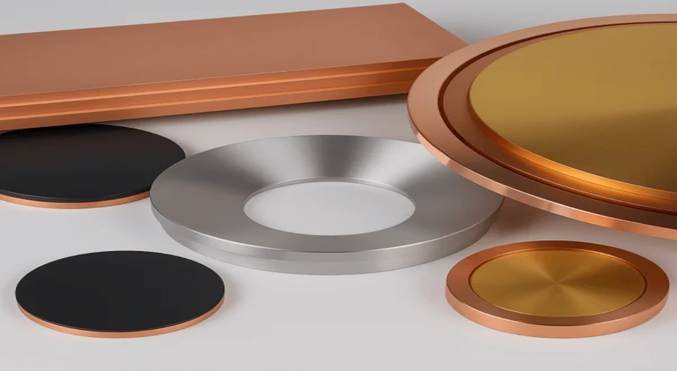
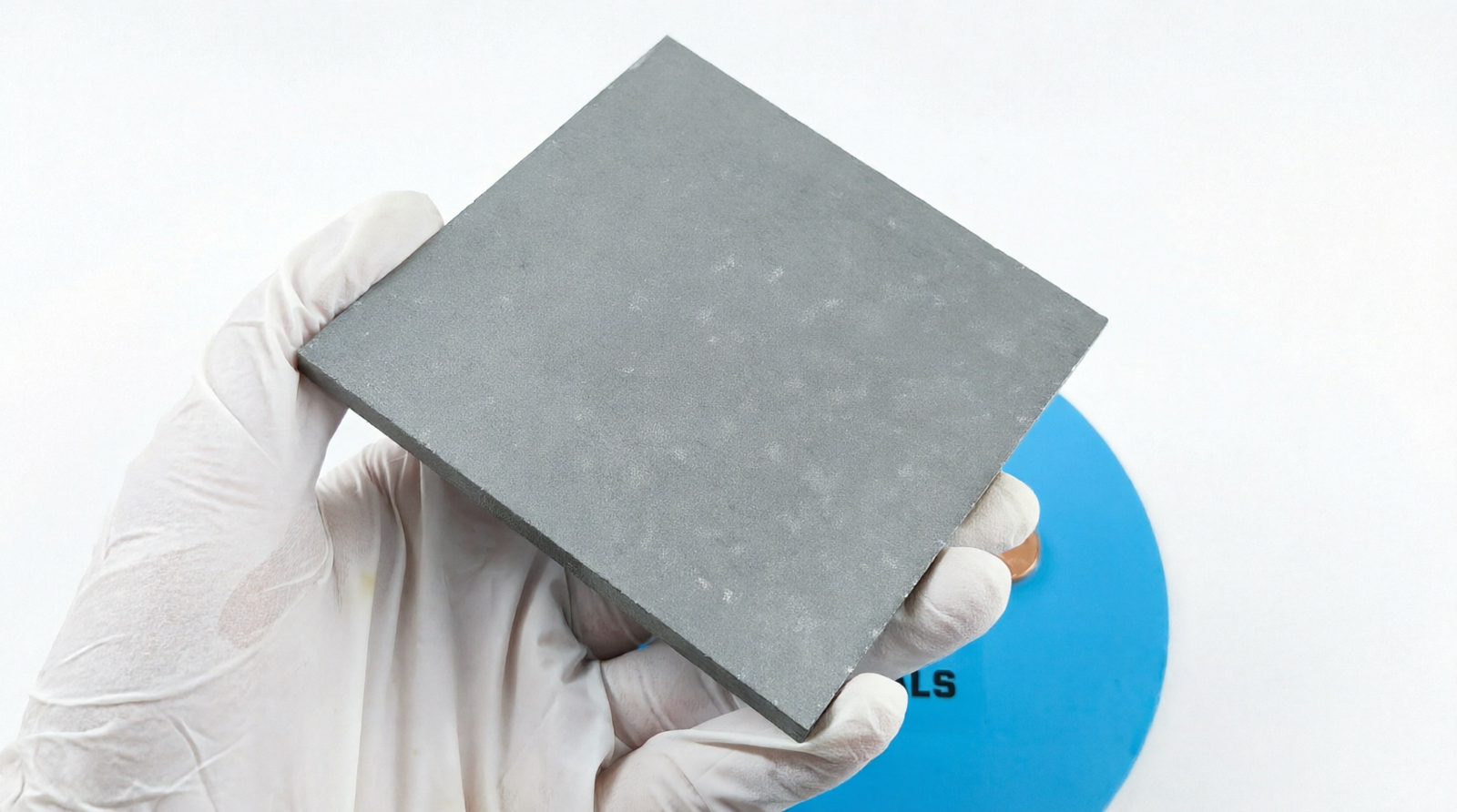
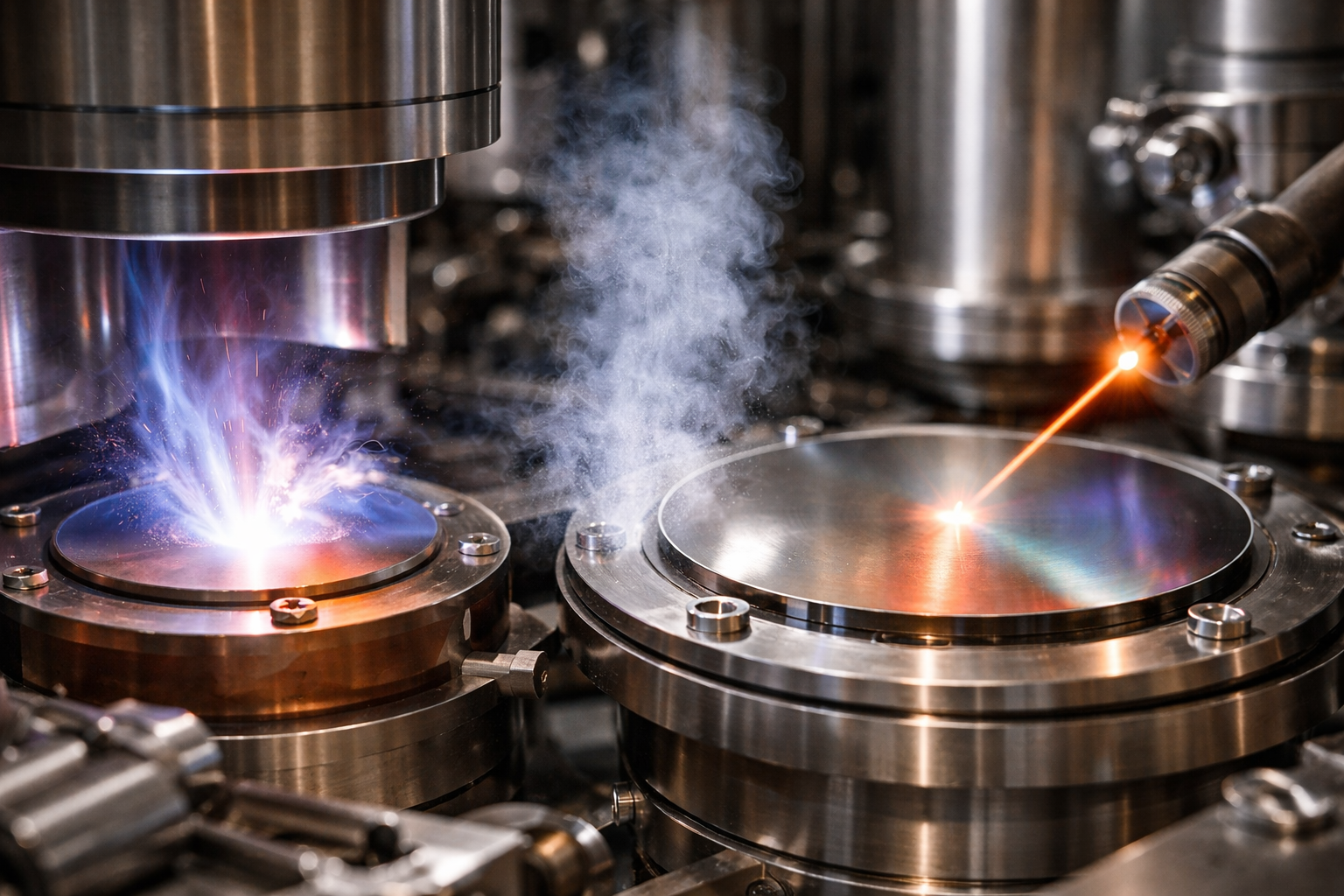
A sputtering target is the source material used in Physical Vapor Deposition (PVD) systems. Ions bombard the target surface, eject atoms that then deposit onto a substrate to form a thin film.
Targets can be:
👉If you want to explore full product range, you can look for some suppliers as TFM. We manufacture high-purity sputtering targets for industries.
2. Key Properties That Matter for Sputtering Target Quality
Before troubleshooting, understand what determines target quality:
- Purity → affects contamination and film defects
- Density → low density causes porosity and arcing
- Grain structure → impacts sputtering stability
- Bonding quality → controls heat dissipation
👉 Poor control in any of these leads directly to process instability.
3. Where Sputtering Targets Are Used
- Semiconductors – conductive layers, barriers, interconnects
- Optics & displays – ITO, AZO for touchscreens and anti‑reflective coatings
- Solar cells – front contacts and buffer layers
- Aerospace & defense – hard coatings, thermal barriers
No matter the application, the same rule applies: a good target makes your process predictable.
4. Rotary vs Planar Sputtering Target: Which One Should You Use?
VS
One of the first questions customers ask us is: rotary vs planar sputtering target — which is better?
The short answer: it depends on your volume and budget.
| Feature | Planar Target | Rotary Target |
| Material utilization | ~30% | up to 80% |
| Thermal management | Moderate | Excellent |
| Best for | R&D | High-volume production |
| Cost efficiency | Lower upfront | Lower long-term |
If you are running small batches or doing development work, a planar target is fine. But if you are in production, a rotary target will save you money on material and reduce how often you have to change targets.
At TFM, we supply both planar and rotary targets. We can help you run the numbers for your specific process. Just email Cindy at cindy@thinfilmmaterials.com.
5. Common Problems in Sputtering Targets and How to Solve Them
Now let us get into the problems that actually show up on the production floor.
Quick Overview Table:
| Problem | Main Cause | Recommended Solution |
| Porosity | Low density | Use HIP targets |
| Cracking | Thermal shock | Slow ramp + proper bonding |
| Poisoning | Excess reactive gas | Reduce gas / use pulsed DC |
| Overheating | Poor cooling | Improve thermal contact |
| Bonding failure | Poor interface | Use indium bonding |
5.1 Porosity in the Target
Symptoms:
• Arcing
• Particle generation
• Uneven erosion
Root Cause:
Low density due to insufficient sintering or impurities.
Solution:
Use Hot Isostatic Pressing (HIP) targets for near-full density.
👉 In many cases we’ve seen, switching to fully dense targets eliminated arcing completely.
5.2 Target Cracking
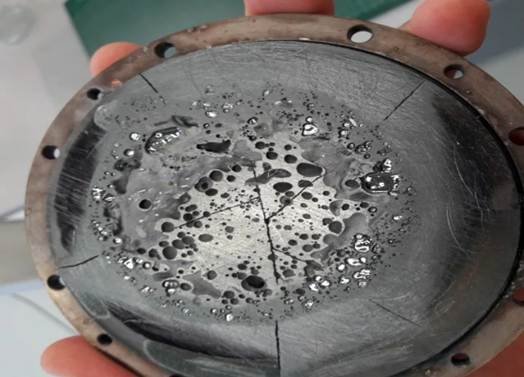
Symptoms:
• Visible cracks
• Sudden failure during operation
Causes:
• Rapid power ramp
• Thermal stress
• Poor bonding
How to prevent sputtering target cracking:
• Ramp power gradually
• Ensure cooling before ignition
• Use bonded targets for ceramics
• Check cathode flatness
5.3 Target Poisoning in Reactive Sputtering
Symptoms:
• Deposition rate drops
• Film composition shifts
Cause:
Excess reactive gas forms a compound layer on the target surface.
Solutions:
• Reduce reactive gas flow
• Use pulsed DC or RF power
• Consider rotary targets
5.4 Overheating
Symptoms:
• Discoloration
• Bond layer melting
• Target deformation
Root Causes:
• Excess power density
• Poor thermal contact
• Cooling failure
Solution:
• Stay within power density limits
• Ensure proper cooling flow
• Use bonded targets
5.5 Bonding Failures
Bonded vs unbonded sputtering target difference:
- Unbonded – target sits directly on the cathode
- Bonded – target is attached to a backing plate (usually with indium)
| Performance Metric | Unbonded Target | Bonded Target |
| Thermal contact | Direct contact, possible air gaps | Full contact via indium or bond material |
| Heat dissipation efficiency | Low | High |
| Thermal resistance | High | Low |
| Operating temperature | Higher | Lower |
| Risk of overheating | Prone to hot spots → cracking risk | Uniform temperature distribution, low risk |
| Best for | Low power, metal targets | High power, ceramic / oxide targets |
| Recommendation | ❌ Not recommended for high-power applications | ✅ Recommended for high-power applications |
When bonding is critical:
- Ceramic targets
- Thin targets
- High‑power applications
Sputtering target bonding best practices:
- Use proper bond materials (indium is common)
- Ensure complete coverage
- Inspect for voids before installation
At TFM, we offer professional bonding services. A well‑bonded target lasts longer and runs cooler.
5.6 Inconsistent Film Composition
Cause:
• Non-uniform composition
• Incorrect purity selection
Solution:
• Use consistent, high-quality targets
• Match purity to application
👉 Example:
• Semiconductor → 4N–5N
• General coating → 3N acceptable
Always request certificates of analysis from your supplier. TFM provides full traceability on every target.
6. How to Extend Sputtering Target Life
• Maintain stable power density
• Use proper cooling
• Avoid thermal shock
• Use bonded targets for fragile materials
👉 Longer life = lower cost + fewer interruptions
Longer target life means lower cost and less downtime.
7.Sputtering Target Cooling System Troubleshooting Guide
Sputtering target cooling system troubleshooting is one of the most overlooked skills.
✔ Water flow normal
✔ Pressure stable
✔ Cathode flat
✔ No contamination on backside
👉 Many overheating issues are solved here.
8.How to Choose a Sputtering Target Supplier
Choosing the right supplier prevents most problems.
Checklist:
• Traceability (COA provided)
• Bonding capability
• Fast delivery
• Small MOQ support
• Technical support
👉 Explore:
At TFM, we check every box. We offer:
- Custom sizes and shapes
- Fast delivery
- Small MOQ welcome
- Full technical support
9.Why Choose TFM for Your Sputtering Targets?
You have a choice when buying sputtering targets. Here is why customers stick with TFM:
- Wide material selection – metals, ceramics, alloys, oxides
- High purity – up to 99.999% depending on material
- Custom fabrication – any size, any shape
- Professional bonding – indium and other bond materials
- Fast turnaround – we know you have production schedules
- Small MOQ welcome – perfect for R&D and pilot lines
And most importantly: we answer your questions. When something goes wrong, you are not left guessing.
📧 Contact Cindy for a quote or technical advice:cindy@thinfilmmaterials.com
10.Final Thoughts
Most sputtering target problems are predictable and preventable.
With the right combination of:
• High-quality targets
• Proper bonding
• Stable process parameters
At TFM, we make sure you get all three.
Whether you need a standard target, a custom size, or help troubleshooting an existing process, reach out. We speak your language — no robotic responses, no fluff.
Get a quote today. Email Cindy at cindy@thinfilmmaterials.com.
FAQ:
1. How to prevent sputtering target cracking?
Ramp power slowly — don’t go from zero to full in one step. Make sure cooling water is running before you start. And for ceramics or other brittle materials, always use a bonded target. That backing plate makes a big difference.
2. Planar vs rotary sputtering target — which is better?
For R&D or small batches, planar targets are fine. But if you’re in production, rotary targets win. You get up to 80% material utilization (vs 30% with planar) and much better cooling. Less waste, fewer target changes.
3. What causes target poisoning in reactive sputtering?
Too much reactive gas — oxygen or nitrogen — building up on the target surface faster than you can sputter it off. The result? Deposition rate crashes. Try pulsed DC or RF power, dial back the gas flow, or switch to a rotary target.
4. What are the power density limits for ceramic sputtering targets?
Ceramics can’t take as much power as metals. Push too hard and they crack. Always check the manufacturer’s data sheet for your specific material. When in doubt, start low and ramp up slowly.
5. Why does my sputtering target overheat?
Usually one of three things: too much power, bad thermal contact with the cathode, or cooling system trouble. Check your water flow, make sure the cathode surface is flat, and confirm the target is seated properly.
6. What’s the difference between bonded and unbonded sputtering targets?
Unbonded sits directly on the cathode — simple, fine for low power or metal targets. Bonded has a backing plate (usually with indium) for better heat dissipation and stability. Highly recommended for ceramics, thin targets, or high‑power runs.
7. How do I choose the right purity grade for my sputtering target?
Match it to your application. Semiconductors usually need 99.99% or higher. General coatings? 99.9% is often plenty. And always ask your supplier for a certificate of analysis so you know what you’re getting.
8. How can I extend the life of my sputtering target?
Stay within power limits, ramp up slowly, keep cooling consistent, and use bonded targets for fragile materials. A few good habits go a long way.
9. How do I troubleshoot my sputtering target cooling system?
Four quick checks: is water flowing? Is the cathode surface flat? Are O‑rings sealing? Is the target backside clean? Most overheating problems stop right there
.
10. How do I select a good sputtering target supplier? Look for traceability, bonding capability, fast delivery, and small MOQ if you need it. But most importantly: do they actually answer your technical questions? A good supplier feels like a partner, not just a vendor.