
Introduction
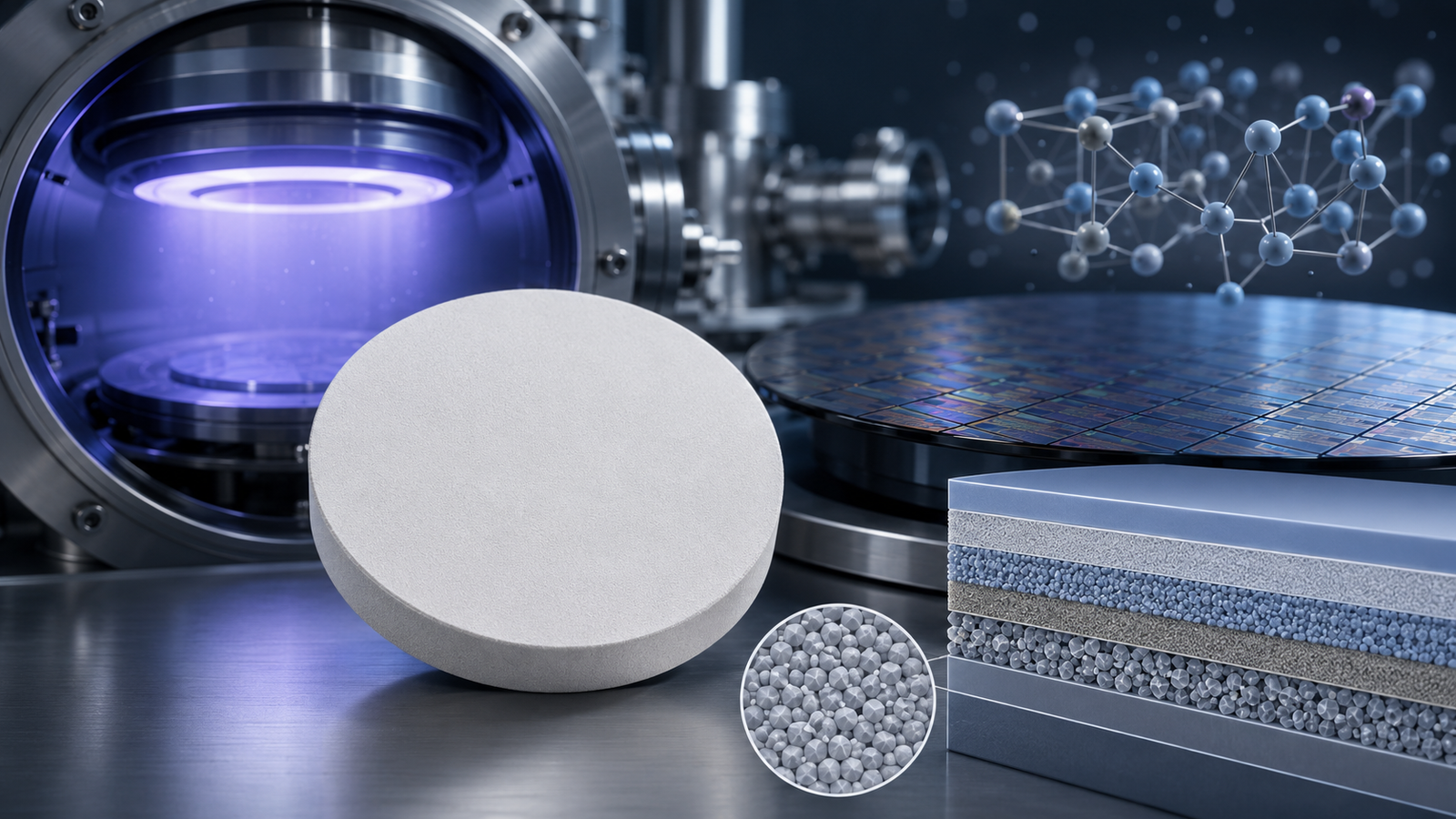
Bismuth Yttrium Iron Garnet (BiY₂Fe₅O₁₂, commonly abbreviated as Bi:YIG) is a magneto-optical functional material with exceptional Faraday rotation, low optical loss, and well-defined ferrimagnetic behavior. When fabricated into sputtering targets, BiY₂Fe₅O₁₂ enables the deposition of high-quality thin films that are indispensable in modern photonics, microwave devices, spintronics, and magneto-optical systems.
Compared with conventional iron garnets such as yttrium iron garnet (YIG), the incorporation of bismuth dramatically enhances magneto-optical activity, particularly in the visible and near-infrared regions. As a result, BiY₂Fe₅O₁₂ sputtering targets are widely used in both academic research and industrial development where precise control of optical and magnetic properties is required.
This article provides a comprehensive, application-oriented analysis of the primary use scenarios of BiY₂Fe₅O₁₂ sputtering targets, explaining why this material is selected, what performance advantages it offers, and how it supports advanced thin-film technologies.
Material Fundamentals of BiY₂Fe₅O₁₂
BiY₂Fe₅O₁₂ belongs to the garnet crystal family with a cubic structure. In this lattice, bismuth partially substitutes yttrium sites, significantly altering the electronic structure and optical response of the material.
Key intrinsic properties include:
- Strong Faraday rotation due to Bi³⁺ substitution
- Ferrimagnetic ordering with low magnetic damping
- High transparency in visible and near-infrared wavelengths
- Chemical and thermal stability during thin-film processing
- Compatibility with oxide substrates and multilayer structures
These properties make BiY₂Fe₅O₁₂ uniquely suited for functional thin films where light–matter–magnetism interaction is central.
Magneto-Optical Device Applications
1. Faraday Rotators and Optical Isolators
One of the most important application scenarios for BiY₂Fe₅O₁₂ sputtering targets is the fabrication of magneto-optical films for Faraday rotators and optical isolators.
BiY₂Fe₅O₁₂ thin films exhibit:
- Large Faraday rotation per unit thickness
- Lower insertion loss compared with undoped garnets
- Stable performance over a broad temperature range
These characteristics allow device designers to achieve strong optical isolation using thinner films, which is critical for compact photonic systems.
Typical application environments include:
- Fiber-optic communication systems
- Integrated photonic circuits
- Laser protection modules
In these systems, sputtered BiY₂Fe₅O₁₂ films enable non-reciprocal light propagation, protecting lasers from back reflections and enhancing signal integrity.
2. Integrated Magneto-Optical Photonics
As photonic integration advances, there is increasing demand for magneto-optical materials that can be deposited directly onto wafers.
BiY₂Fe₅O₁₂ sputtering targets support:
- Uniform thin-film deposition on large substrates
- Compatibility with lithographic patterning
- Integration with waveguides and optical resonators
Compared with bulk crystal growth methods, sputtering allows scalable fabrication and precise thickness control, making BiY₂Fe₅O₁₂ thin films ideal for on-chip non-reciprocal photonic components.
Microwave and RF Device Applications
3. Microwave Circulators and Isolators
Ferrimagnetic garnets are widely used in microwave and RF systems due to their gyromagnetic properties. BiY₂Fe₅O₁₂ thin films deposited from sputtering targets are increasingly explored for planar microwave devices.
Key advantages include:
- Tunable magnetic resonance behavior
- Low microwave loss when properly processed
- Compatibility with thin-film microwave circuits
Applications include:
- Microwave circulators
- RF isolators
- Phase shifters
Sputtered BiY₂Fe₅O₁₂ enables miniaturization of these devices compared with bulk ferrite components, supporting modern compact RF architectures.
4. High-Frequency Signal Processing
In advanced RF and microwave signal processing, material uniformity and reproducibility are critical. Sputtering targets made from BiY₂Fe₅O₁₂ provide consistent film composition, enabling reliable device performance across production batches.
This consistency is especially valuable for:
- Research prototypes transitioning to pilot production
- Multi-layer RF device stacks
- Frequency-tunable magnetic components
Spintronics and Magnonics
5. Spin Wave and Magnonic Devices
BiY₂Fe₅O₁₂ thin films are actively studied in the field of magnonics, where spin waves are used to transmit and process information.
Compared with conventional YIG films, Bi-doped garnets offer:
- Enhanced magneto-optical readout sensitivity
- Modified magnetic anisotropy
- Potential for optical control of spin dynamics
Sputtered BiY₂Fe₅O₁₂ films are used in:
- Spin wave waveguides
- Magnonic crystals
- Hybrid photonic-magnonic devices
The ability to deposit thin, uniform films with controlled thickness is essential for studying spin wave propagation at the microscale.
6. Spin-Orbit and Magneto-Optical Coupling Studies
BiY₂Fe₅O₁₂ is also of interest in fundamental research exploring coupling between magnetic, optical, and electronic degrees of freedom.
Thin films produced using sputtering targets enable:
- Interface engineering with metals or semiconductors
- Exploration of spin-orbit-related effects
- Advanced heterostructure design
These studies support the development of next-generation information technologies beyond conventional electronics.
Optical Communication and Sensing Technologies
7. Optical Modulators and Sensors
The strong magneto-optical response of BiY₂Fe₅O₁₂ thin films makes them suitable for optical sensing and modulation applications.
Examples include:
- Magnetic field sensors based on Faraday rotation
- Optical current sensors
- Magneto-optical modulators
Sputtering allows fine control of film thickness and composition, enabling precise tuning of sensor sensitivity and dynamic range.
8. Integrated Optical Sensor Platforms
In compact sensing platforms, thin-film magneto-optical materials must be compatible with other functional layers.
BiY₂Fe₅O₁₂ films deposited by sputtering show:
- Good adhesion to oxide and semiconductor substrates
- Chemical stability during device fabrication
- Reproducible optical performance
These attributes support the integration of magneto-optical sensing elements into lab-on-chip and photonic sensor systems.
Research and Advanced Materials Development
9. Fundamental Garnet Thin-Film Research
BiY₂Fe₅O₁₂ sputtering targets are widely used in research laboratories investigating garnet thin-film growth mechanisms.
Researchers focus on:
- Crystallinity and phase control
- Substrate influence on magnetic properties
- Post-deposition annealing effects
Sputtering offers a flexible platform for systematic studies, enabling rapid iteration of film parameters.
10. Multilayer Oxide and Heterostructure Systems
BiY₂Fe₅O₁₂ films are often combined with other oxides in multilayer stacks.
Applications include:
- Magneto-optical mirrors
- Functional oxide heterostructures
- Interface-driven magnetic phenomena
The chemical compatibility of garnet films with oxide materials makes BiY₂Fe₅O₁₂ a key building block in complex thin-film architectures.
Manufacturing and Process Advantages of BiY₂Fe₅O₁₂ Sputtering Targets
From a processing perspective, BiY₂Fe₅O₁₂ sputtering targets offer several advantages:
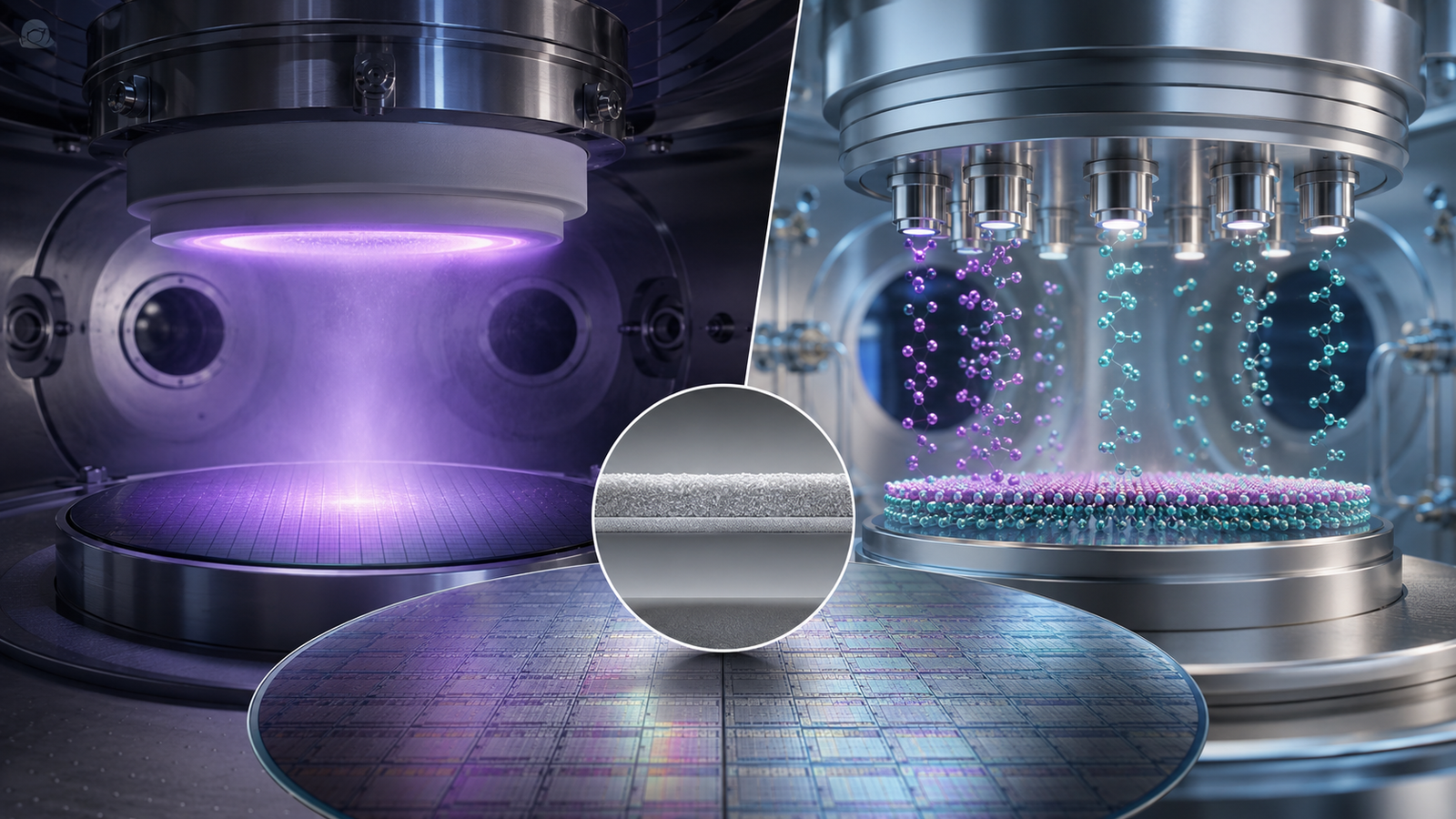
- Stable sputtering behavior under RF magnetron conditions
- Uniform material removal and film composition
- Suitability for bonded or monolithic target designs
- Compatibility with high-vacuum oxide deposition systems
These characteristics support both small-scale research deposition and scaled manufacturing environments.
Composition Control and Target Selection Considerations
When selecting a BiY₂Fe₅O₁₂ sputtering target, important factors include:
- Bi substitution level and uniformity
- Target density and microstructure
- Oxygen stoichiometry control
- Compatibility with intended substrate and annealing process
Careful target design directly impacts thin-film magnetic and optical performance, making high-quality target fabrication essential.
Conclusion
Bismuth Yttrium Iron Garnet (BiY₂Fe₅O₁₂) sputtering targets play a critical role in enabling advanced magneto-optical and magnetic thin-film technologies. Their exceptional Faraday rotation, ferrimagnetic stability, and compatibility with modern thin-film deposition techniques make them indispensable in photonics, microwave systems, spintronics, and sensor applications.
As demand grows for integrated, miniaturized, and multifunctional devices that exploit light–magnetism interactions, BiY₂Fe₅O₁₂ thin films will continue to gain importance. Sputtering targets provide the consistency, scalability, and process control needed to translate this complex functional material from laboratory research into real-world applications.
For detailed specifications, customization options, and technical support for BiY₂Fe₅O₁₂ sputtering targets, please contact us at sales@thinfilmmaterials.com.