



What is a hafnium sputtering target?
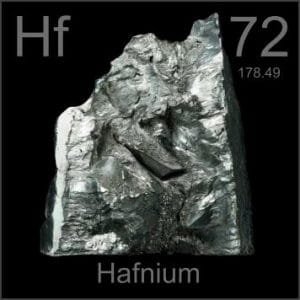
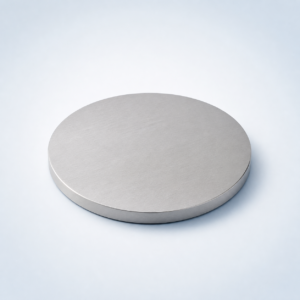
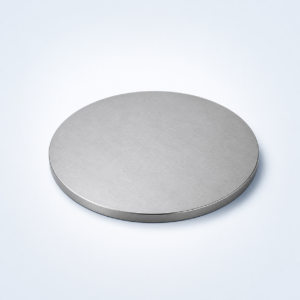
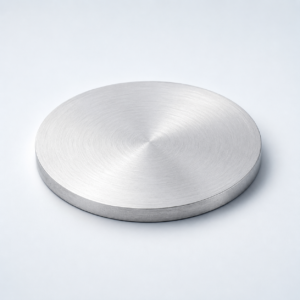
A hafnium sputtering target is a solid elemental Hf source for sputter deposition. This page covers the metal source; an HfO2 target is a distinct oxide-ceramic source. Specify the target composition and required film composition separately. Compare the Hafnium Oxide (HfO2) Sputtering Target when defining the source form.


Material and Deposition Characteristics
Because the target is electrically conductive, DC magnetron sputtering is often applicable, although pulsed-DC or other power modes may also be used depending on the deposition system and film target. For high-specification films, target grain structure, residual stress, and surface preparation can influence erosion uniformity and the morphology of the deposited layer. When higher power loading or system-specific mounting is involved, a bonded target assembly may also be considered.
Hafnium Reference and RFQ
| Material identity | Elemental hafnium (Hf); atomic number 72; CAS 7440-58-6. |
|---|---|
| Elemental melting point | 2233 °C (RSC reference). |
| Elemental density | 13.3 g/cm³ at room temperature (RSC reference), not a target-density acceptance limit. |
| Purity and impurities | State whether purity is Hf-only or Hf+Zr, and specify the allowable Zr content separately from other impurities. |
| Geometry and assembly | Provide target diameter or drawing, thickness, tolerances, cathode model and backing interface. Bond method and finished assembly dimensions require order-specific agreement. |
| Documentation | Specify sample/lot traceability, analysis method, inspection records and the agreed acceptance limits. |
Element reference: Royal Society of Chemistry – Hafnium. Product grade, dimensions, assembly and availability are confirmed in the quotation.
The linked GDMS report uses an Hf+Zr purity basis. This is different from Hf-only purity. Confirm the impurity basis and sample-to-order traceability before using a document as an acceptance record.
Film Requirements to Define Before Ordering
For a hafnium film-development project, define the intended layer composition, substrate, process route and required analysis. Elemental Hf and a hafnium-containing compound film are different specifications; qualify film composition and interfaces under the intended deposition process.
Target Configuration and Ordering Considerations
For quotation and manufacturability review, provide target size, thickness, purity or alloy composition, quantity, and the sputtering gun or cathode model if known. If a bonded assembly is required, include backing-plate material, bonding preference, and any dimensional tolerances, surface-finish needs, or inspection-document requirements. TFM can also review customer drawings or old-target samples for replacement builds.
Typical specification reference: Download the Hafnium Sputtering Target Typical Specification Sheet (PDF). This planning reference is not a batch CoA; confirm final specifications and batch documentation in the quotation.
Frequently Asked Questions
Can Hafnium sputtering targets be used with DC magnetron sputtering?
Yes. Conductive metallic targets are commonly processed with DC magnetron sputtering, although pulsed-DC or other modes may also be used depending on the equipment and film objective.
What purity grade should I choose for a Hafnium target?
The required purity should be selected from the contamination limits and performance needs of the deposited film. Higher purity can reduce unwanted impurities, but the optimum grade should match the application rather than default to the highest available level.
Why do density and microstructure matter for Hafnium targets?
Target density, grain structure, and residual stress can influence erosion behavior, process stability, and the morphology of the deposited film. These factors become more important as film-quality requirements become tighter.
Can a Hafnium target be bonded to a copper backing plate?
A copper-backed assembly is an option to review against the cathode and target requirements. Provide the target thickness, backing dimensions, interface drawing and operating conditions; confirm bond method and compatibility in the quotation. The bonded versus unbonded target guide explains the assembly information to compare.
What are common applications of sputtered Hafnium films?
Typical uses include conductive layers, metallization, reflective or protective coatings, and composition-specific PVD research. The exact application depends on the properties of the element and the final film stack.
What information should I send TFM for a custom Hafnium target?
Please provide target dimensions, thickness, purity, quantity, target style, backing-plate requirement, cathode model if known, and any tolerance, surface-finish, inspection, or documentation requirements.
Specification and RFQ Inputs
For a Hafnium Sputtering Target (Hf) RFQ, identify the requested purity or approved specification, finished target dimensions or drawing, quantity, cathode compatibility, and any backing-plate, bonding, inspection, or documentation requirements.
Browse the Sputtering Targets catalog or send the available specification for review.
Reviews
There are no reviews yet.