Introduction: Choosing the Right Rare Earth Oxide for Thin-Film Deposition
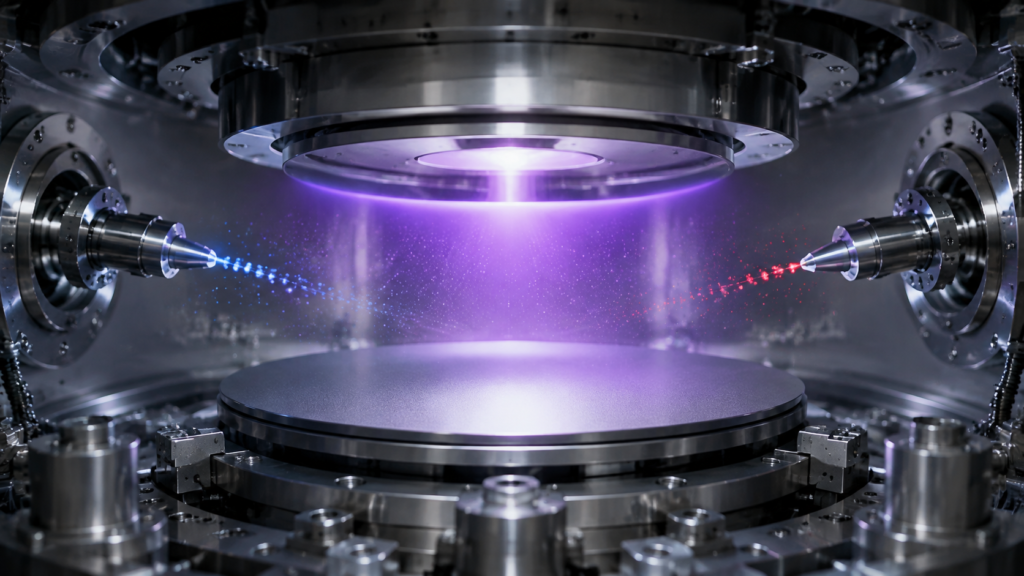
Rare earth oxide evaporation materials play an important role in advanced thin-film manufacturing, optical coatings, electronic materials research, and functional ceramic development. Among these materials, Dysprosium Oxide (Dy₂O₃) is a specialized rare earth oxide valued for its thermal stability, optical characteristics, and compatibility with demanding vacuum deposition processes.
However, Dy₂O₃ is only one option within a broad family of rare earth oxide evaporation materials. Depending on the required film function, engineers may also consider Yttrium Oxide (Y₂O₃), Erbium Oxide (Er₂O₃), Gadolinium Oxide (Gd₂O₃), Lanthanum Oxide (La₂O₃), and other oxide materials.
The correct material selection is not simply based on purity or availability. A successful thin-film process requires balancing:
- Optical requirements
- Film composition
- Refractive index
- Thermal stability
- Deposition behavior
- Substrate compatibility
- Required application performance
This article compares Dysprosium Oxide evaporation materials with other rare earth oxide evaporation materials and explains how engineers can select the most suitable material for different thin-film applications.
1. Overview of Rare Earth Oxide Evaporation Materials
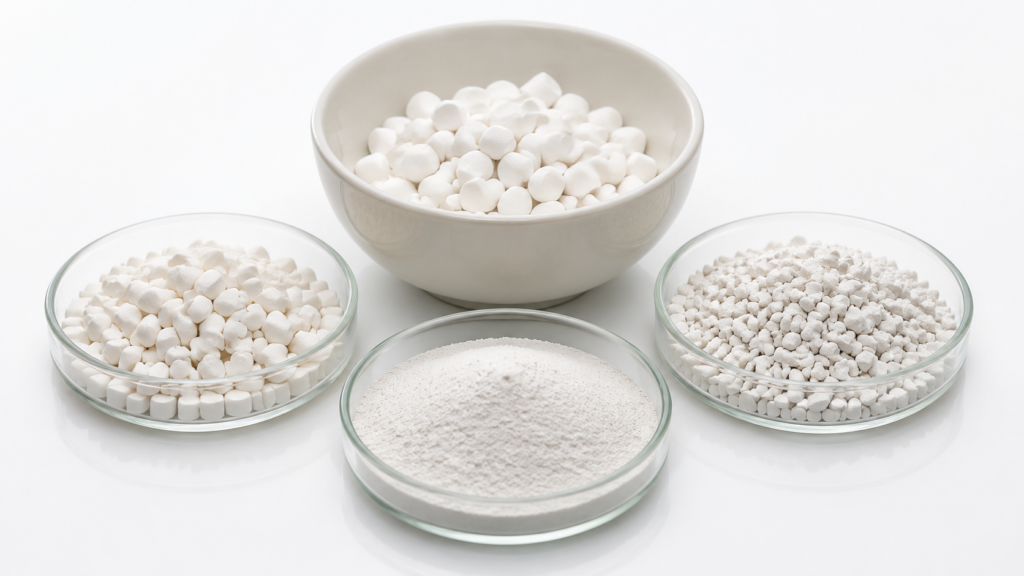
Rare earth oxides are compounds formed between rare earth elements and oxygen. Many of these materials exhibit:
- High melting temperatures
- Good chemical stability
- Optical functionality
- Thermal resistance
- Unique electronic or magnetic properties
In vacuum evaporation processes, rare earth oxides are commonly supplied as:
- Pellets
- Pieces
- Powder
- Tablets
- Custom-shaped evaporation sources
The selected form depends on:
- Evaporation equipment
- Source design
- Loading method
- Deposition rate requirement
- Process repeatability
High-purity rare earth oxide materials are often used in:
- Optical coatings
- Photonic devices
- Laser-related materials
- Functional oxide films
- Research and development applications
2. Dysprosium Oxide (Dy₂O₃): Characteristics and Applications
Dysprosium Oxide (Dy₂O₃) is a rare earth sesquioxide with the chemical formula Dy₂O₃.
As an evaporation material, Dy₂O₃ is valued for its combination of:
- High-temperature stability
- Rare earth optical properties
- Chemical durability
- Compatibility with advanced oxide thin-film systems
Key Characteristics of Dy₂O₃
High Thermal Stability
Dy₂O₃ maintains stability under demanding processing conditions, making it suitable for vacuum evaporation environments where temperature control and material consistency are important.
Optical Functionality
Dysprosium-containing oxide films may be evaluated in optical and photonic systems where rare earth electronic structures contribute to functional properties.
Compatibility with Multilayer Films
Dy₂O₃ can be incorporated into multilayer oxide structures where precise control of composition, thickness, and interface behavior is required.
Typical Dy₂O₃ Applications
Dysprosium oxide evaporation materials are commonly considered for:
- Optical coatings
- Functional oxide thin films
- Rare earth optical research
- Advanced ceramic studies
- Specialized photonic structures
The final film performance depends not only on Dy₂O₃ purity but also on:
- Deposition method
- Oxygen environment
- Substrate temperature
- Film thickness
- Post-deposition treatment
3. Dy₂O₃ vs Other Rare Earth Oxide Evaporation Materials
Different rare earth oxides provide different advantages. The selection should be based on the intended film function rather than simply choosing the highest purity material.
| Material | Main Characteristics | Typical Thin-Film Applications |
|---|---|---|
| Dysprosium Oxide (Dy₂O₃) | Rare earth oxide with high thermal stability and functional optical characteristics | Optical coatings, functional oxide films, research applications |
| Yttrium Oxide (Y₂O₃) | Excellent chemical stability, optical transparency, and thermal resistance | Optical coatings, protective layers, laser-related materials |
| Erbium Oxide (Er₂O₃) | Strong rare earth optical emission characteristics | Photonic devices, optical amplifiers, doped optical materials |
| Gadolinium Oxide (Gd₂O₃) | High dielectric and rare earth functional properties | Electronic materials, dielectric films, advanced oxide research |
| Lanthanum Oxide (La₂O₃) | High refractive index and oxide functionality | Optical coatings and dielectric applications |
4. Dysprosium Oxide vs Yttrium Oxide (Dy₂O₃ vs Y₂O₃)
Yttrium Oxide is one of the most widely used rare earth oxide materials.
Compared with Dy₂O₃:
Y₂O₃ Advantages
- Broad industrial usage
- Excellent chemical stability
- Good optical transparency
- Established coating applications
Y₂O₃ is commonly selected when the primary requirement is:
- Stable optical performance
- High-temperature durability
- General rare earth oxide coating capability
When Choose Dy₂O₃ Instead?
Dy₂O₃ may be considered when:
- Specific dysprosium-related optical properties are required
- Rare earth composition control is important
- The film design requires Dy-based functionality
The choice depends on the required film chemistry rather than replacing one oxide with another.
5. Dysprosium Oxide vs Erbium Oxide (Dy₂O₃ vs Er₂O₃)
Erbium Oxide is widely studied because of its optical emission properties.
Er₂O₃ Applications
Common areas include:
- Optical communication materials
- Photonic devices
- Rare earth doped films
Dy₂O₃ Selection Considerations
Dy₂O₃ may be preferred when:
- Different rare earth electronic behavior is required
- The target film composition specifically requires dysprosium
- The application is focused on functional oxide development
Although both are rare earth oxides, they are not direct substitutes.
6. Dysprosium Oxide vs Gadolinium Oxide (Dy₂O₃ vs Gd₂O₃)
Gadolinium Oxide is often associated with electronic and functional oxide research.
Gd₂O₃ Characteristics
Potential advantages:
- High dielectric performance
- Rare earth oxide functionality
- Compatibility with electronic material research
Dy₂O₃ Characteristics
Dy₂O₃ may provide advantages where:
- Dysprosium composition is required
- Optical or functional rare earth properties are targeted
The choice depends on whether the film requirement is:
- Optical
- Dielectric
- Magnetic
- Functional oxide related
7. How to Select the Right Rare Earth Oxide Evaporation Material
A practical selection process should consider several factors.
1. Define the Film Function First
Before selecting the evaporation material, confirm:
- Optical function
- Electrical function
- Dielectric behavior
- Magnetic properties
- Protective requirements
The material should be selected based on the required film role.
2. Consider Optical Requirements
For optical coatings, engineers should evaluate:
- Refractive index
- Transmission range
- Absorption behavior
- Film uniformity
- Multilayer compatibility
Different rare earth oxides may provide different optical responses.
3. Evaluate Deposition Compatibility
Important process factors include:
- Evaporation temperature
- Source compatibility
- Deposition rate
- Vacuum condition
- Oxygen environment
A material suitable for one evaporation system may require adjustment in another system.
4. Select the Appropriate Material Form
Rare earth oxide evaporation materials are commonly supplied as:
Pellets
Advantages:
- Easy handling
- Consistent loading
- Good process repeatability
Pieces
Advantages:
- Flexible loading
- Suitable for laboratory development
Powder
Advantages:
- Flexible processing
- Suitable for custom preparation
8. Purity and Quality Considerations
Purity is an important factor when selecting Dy₂O₃ and other rare earth oxide materials.
Typical purity grades include:
- 99.9%
- 99.99%
- Higher purity options depending on requirements
Higher purity may help reduce:
- Film contamination
- Optical absorption
- Defect formation
However, purity alone does not guarantee final film performance.
Other important factors include:
- Particle size
- Chemical composition
- Packaging
- Storage condition
- Trace impurity control
9. Common Mistakes When Selecting Rare Earth Oxide Materials
Mistake 1: Choosing Materials Only by Purity
A 99.999% material is not automatically the best choice.
The correct material depends on:
- Film purpose
- Process conditions
- Required properties
Mistake 2: Treating Rare Earth Oxides as Interchangeable
Dy₂O₃, Y₂O₃, Er₂O₃, and Gd₂O₃ have different chemical and functional characteristics.
They should not be treated as direct replacements without process evaluation.
Mistake 3: Ignoring Evaporation Process Conditions
Material selection should consider:
- Crucible compatibility
- Heating method
- Deposition rate
- Film stress
- Oxygen control
10. Questions to Confirm Before Purchasing Dy₂O₃ Evaporation Materials
Before ordering, engineers should confirm:
| Parameter | Information to Provide |
|---|---|
| Material | Dysprosium Oxide (Dy₂O₃) |
| Purity | Required purity level and impurity limits |
| Form | Pellets, pieces, powder, or custom form |
| Quantity | Required quantity |
| Deposition Method | Thermal evaporation, e-beam evaporation, or other process |
| Source Compatibility | Crucible, boat, liner, or evaporation system |
| Film Requirement | Optical, dielectric, functional, or research purpose |
| Documentation | CoA and quality records |
Conclusion
Dysprosium Oxide (Dy₂O₃) is a specialized rare earth oxide evaporation material used in advanced thin-film research and functional coating applications. While materials such as Y₂O₃, Er₂O₃, Gd₂O₃, and La₂O₃ may share similar rare earth oxide characteristics, each material provides different chemical, optical, and functional advantages.
The correct selection depends on the final film objective, deposition process, and required performance rather than purity alone.
For researchers and engineers evaluating rare earth oxide evaporation materials, understanding the differences between Dy₂O₃ and related oxides is essential for achieving stable deposition and repeatable thin-film performance.
Thin Film Materials supplies high-purity rare earth oxide evaporation materials, including Dysprosium Oxide (Dy₂O₃), with customized forms, purity options, and documentation support for research and industrial thin-film applications.
For detailed specifications and quotation, please contact: