

Product Overview
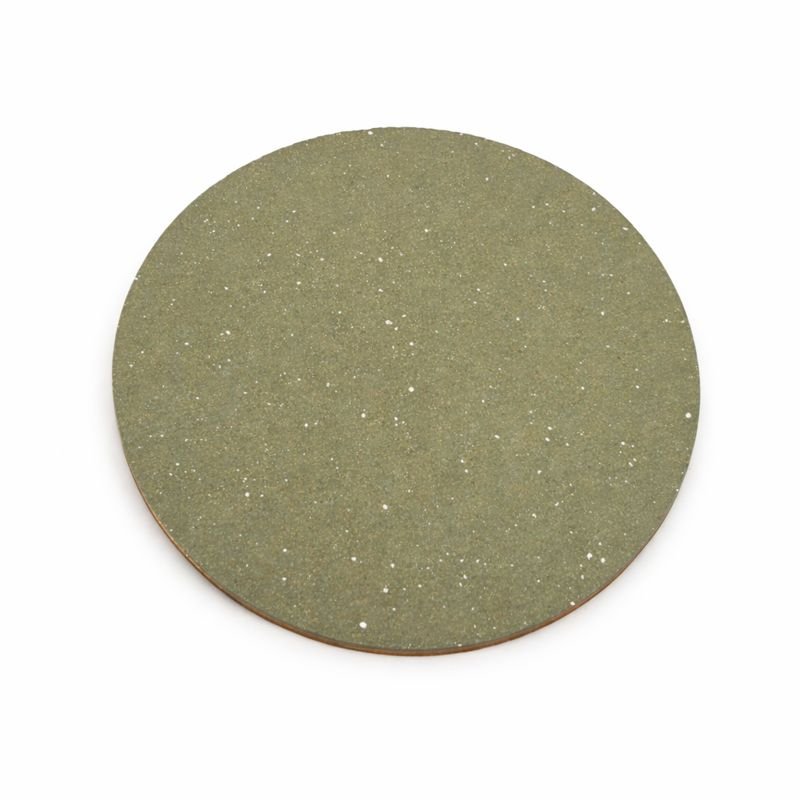
AZO Sputtering Target (Aluminum-doped Zinc Oxide) is a conductive-oxide sputtering target used to deposit transparent or semiconducting functional thin films. In this material family, target density, dopant level, resistivity, sputtering mode, oxygen partial pressure, and substrate temperature can all influence the balance between film conductivity, optical transmission, composition, and microstructure.

Material and Deposition Characteristics
Conductive-oxide sputtering is strongly affected by target density, resistivity, dopant content, power density, working pressure, oxygen content, substrate temperature, and film thickness. RF magnetron sputtering is broadly applicable to ceramic targets, while sufficiently conductive grades may also be compatible with DC or pulsed-DC systems depending on equipment design. The process window should ultimately be tuned against measured film electrical and optical performance.
Technical Data
| Material Type | Aluminum doped Zinc Oxide |
| Symbol | AZO |
| Appearance | Solid in various forms |
| Available Sizes | Dia.: 1.0″, 2.0″, 3.0″, 4.0″, 5.0″, 6.0″ Thick: 0.125″, 0.250″ |
Typical Thin-Film Applications
- Transparent conductive oxide coatings for displays, photovoltaics, smart windows, sensors, and optoelectronics
- Thin-film electronics and transparent electrode development
- Projects balancing optical transmission, conductivity, and process compatibility
Target Configuration and Ordering Considerations
When requesting a quotation, provide target diameter or rectangular dimensions, thickness, purity or composition, required quantity, and whether a backing plate or bonded assembly is needed. For brittle ceramic or compound targets, it is useful to specify the cathode model, backing-plate material, preferred bonding method, operating power if known, and any density, tolerance, or inspection-document requirements. TFM can review drawings, old-target photos, and application details when custom dimensions are required.
Frequently Asked Questions
What are AZO sputtering targets used for?
They are used to deposit transparent conductive or semiconducting oxide films for displays, photovoltaics, smart windows, sensors, and other thin-film electronic or optoelectronic applications.
Can AZO targets be sputtered with RF or DC power?
RF sputtering is widely applicable to ceramic conductive-oxide targets. Depending on target resistivity and equipment capability, some grades may also be compatible with DC or pulsed-DC operation.
Why is target density important for AZO?
Higher and more uniform density generally supports more stable erosion and can reduce pores, particles, local hot spots, and arc-related problems. Density should be considered together with microstructure and bonding quality.
How do oxygen partial pressure and power affect AZO films?
These parameters can influence film composition, carrier concentration, resistivity, transparency, and microstructure. The process window should therefore be optimized against the actual film-performance targets.
Can the dopant level or composition of AZO be customized?
Yes. The required composition should be stated clearly in the RFQ so that the target formulation and any acceptance criteria can be agreed before production.
What information should I provide to request a AZO target quotation?
Please provide composition, purity basis, dimensions, quantity, planar or rotary format, backing requirement, cathode model if known, and any density, resistivity, optical, or documentation requirements.

Reviews
There are no reviews yet.