
Introduction
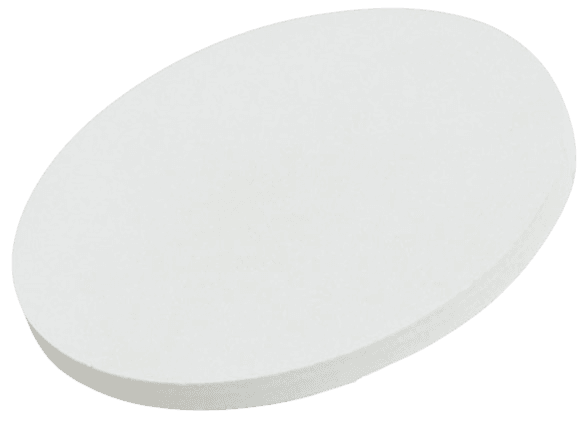
The Gadolinium Cerium Oxide Sputtering Target (Gd₀.₂Ce₀.₈O₂) is a high-performance ceramic target used for depositing functional oxide thin films in energy devices, electronic components, and advanced materials research. This compound, commonly referred to as Gadolinium-Doped Ceria (GDC), is well known for its excellent oxygen ion conductivity, chemical stability, and catalytic activity.
Gd-doped cerium oxide is widely studied and utilized in solid oxide fuel cells (SOFCs), oxygen sensors, catalytic coatings, and energy conversion systems. Using magnetron sputtering or other physical vapor deposition (PVD) methods, GDC sputtering targets enable the deposition of dense and uniform thin films with controlled stoichiometry and microstructure.
Detailed Description
Gadolinium Cerium Oxide sputtering targets are produced from high-purity cerium oxide (CeO₂) and gadolinium oxide (Gd₂O₃) powders using advanced ceramic fabrication techniques. These powders are carefully mixed, calcined, and sintered through processes such as hot pressing, vacuum sintering, or hot isostatic pressing (HIP) to achieve a dense and homogeneous ceramic structure.
The chemical composition Gd₀.₂Ce₀.₈O₂ represents a typical doping ratio where gadolinium partially substitutes cerium in the ceria lattice. This substitution creates oxygen vacancies within the crystal structure, significantly enhancing oxygen ion conductivity. As a result, GDC materials are widely used as electrolytes or interlayers in high-temperature electrochemical devices.
Compared with pure cerium oxide, gadolinium doping improves ionic conductivity and enhances catalytic activity while maintaining good thermal stability. These characteristics make GDC thin films particularly suitable for applications involving oxygen transport, catalytic reactions, and electrochemical energy conversion.
High-density sputtering targets ensure stable sputtering rates, consistent film composition, and minimal particle generation during deposition. For high-power sputtering systems, Gd₀.₂Ce₀.₈O₂ targets can also be supplied as bonded targets with copper backing plates, typically using indium bonding to improve thermal management and mechanical stability.
Applications
Gadolinium Cerium Oxide sputtering targets are widely used in advanced energy and electronic technologies:
Solid oxide fuel cells (SOFCs) as electrolyte or buffer layers
Oxygen sensors and gas sensors for environmental monitoring
Catalytic coatings for energy and environmental applications
Electrochemical devices requiring oxygen-ion conducting materials
Thin film energy conversion systems
Research and development of advanced oxide ionic conductors
Technical Parameters
| Parameter | Typical Value / Range | Importance |
|---|---|---|
| Chemical Formula | Gd₀.₂Ce₀.₈O₂ (GDC) | Determines oxygen ion conductivity |
| Purity | ≥ 99.9% | Ensures stable electrochemical properties |
| Diameter | 25 – 300 mm (custom) | Compatible with standard sputtering systems |
| Thickness | 3 – 6 mm | Influences sputtering stability and target lifetime |
| Density | ≥ 95% theoretical density | Ensures uniform film deposition |
| Bonding | Copper backing plate / Indium bonded | Improves heat dissipation during sputtering |
Comparison with Related Materials
| Material | Key Advantage | Typical Application |
|---|---|---|
| Gadolinium Cerium Oxide (GDC) | High oxygen ion conductivity and catalytic activity | SOFC electrolytes and sensors |
| Cerium Oxide (CeO₂) | Excellent catalytic and oxygen storage properties | Catalysis and oxygen storage materials |
| Yttria-Stabilized Zirconia (YSZ) | Stable ionic conductor at high temperature | Solid oxide fuel cell electrolytes |
FAQ
| Question | Answer |
|---|---|
| What sputtering methods are suitable for GDC targets? | Gd₀.₂Ce₀.₈O₂ targets are typically used in RF magnetron sputtering systems designed for ceramic materials. |
| Can the doping ratio be customized? | Yes. The gadolinium-to-cerium ratio can be adjusted depending on ionic conductivity requirements. |
| Are bonded sputtering targets available? | Yes. Ceramic targets can be bonded to copper backing plates using indium bonding to improve heat dissipation. |
| What substrates can GDC thin films be deposited on? | Films can be deposited on silicon wafers, ceramic substrates, stainless steel, and other oxide materials. |
| What industries commonly use GDC materials? | Energy technology, fuel cell research, sensor development, and advanced materials science. |
Packaging
Our Gadolinium Cerium Oxide Sputtering Target (Gd₀.₂Ce₀.₈O₂) products are meticulously tagged and labeled externally to ensure efficient identification and maintain strict quality control standards. Each target is packaged in vacuum-sealed bags with protective foam and export-grade cartons or wooden crates to prevent contamination and mechanical damage during storage and transportation.
Conclusion
The Gadolinium Cerium Oxide Sputtering Target (Gd₀.₂Ce₀.₈O₂) is an important material for producing oxygen-ion conducting thin films used in fuel cells, sensors, and advanced electrochemical devices. Its high ionic conductivity, chemical stability, and catalytic properties make it highly valuable in modern energy technologies.
With customizable compositions, high-density ceramic manufacturing, and stable sputtering performance, GDC sputtering targets support both industrial applications and cutting-edge research in functional oxide materials.
For detailed specifications and a quotation, please contact us at sales@thinfilmmaterials.com.
Reviews
There are no reviews yet.