


Gadolinium Titanate (GdTiO₃) Sputtering Target
Introduction
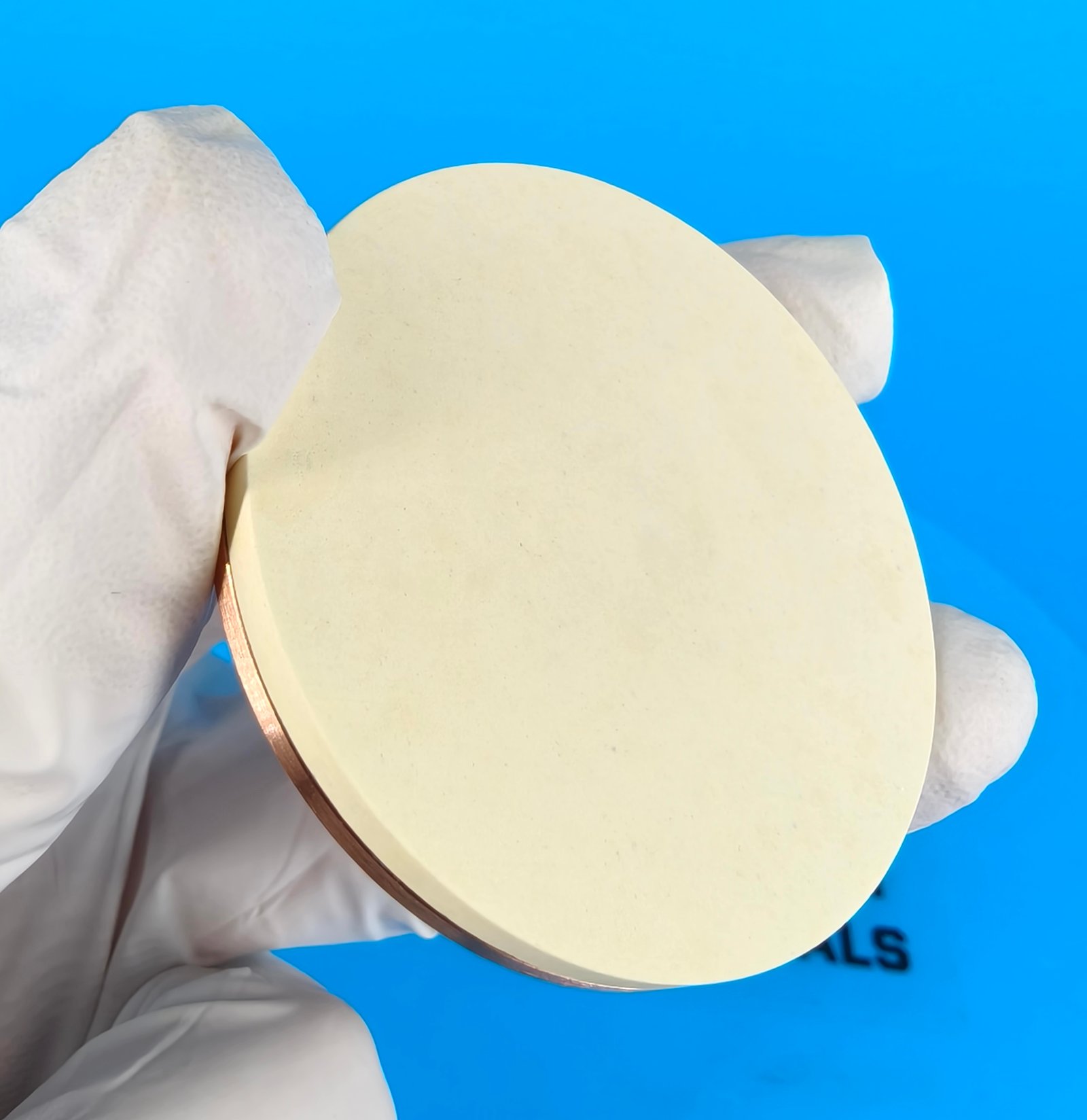
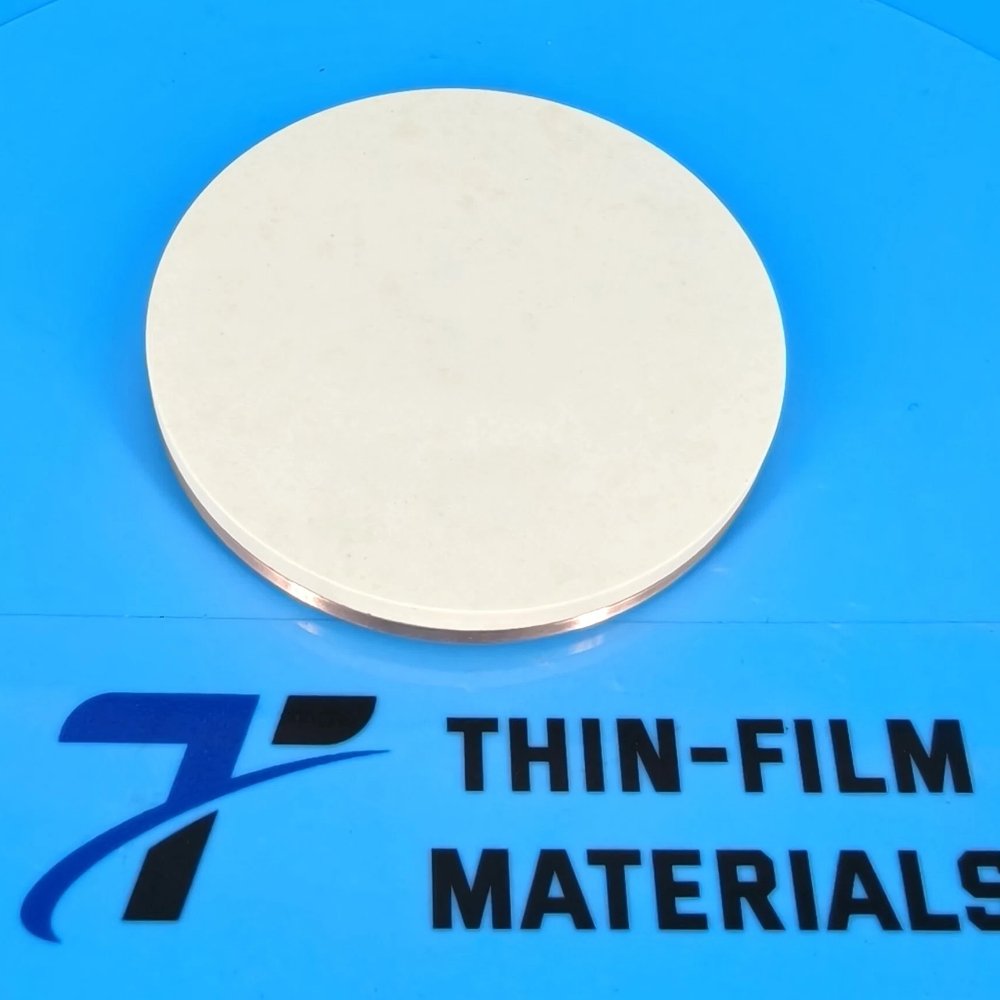
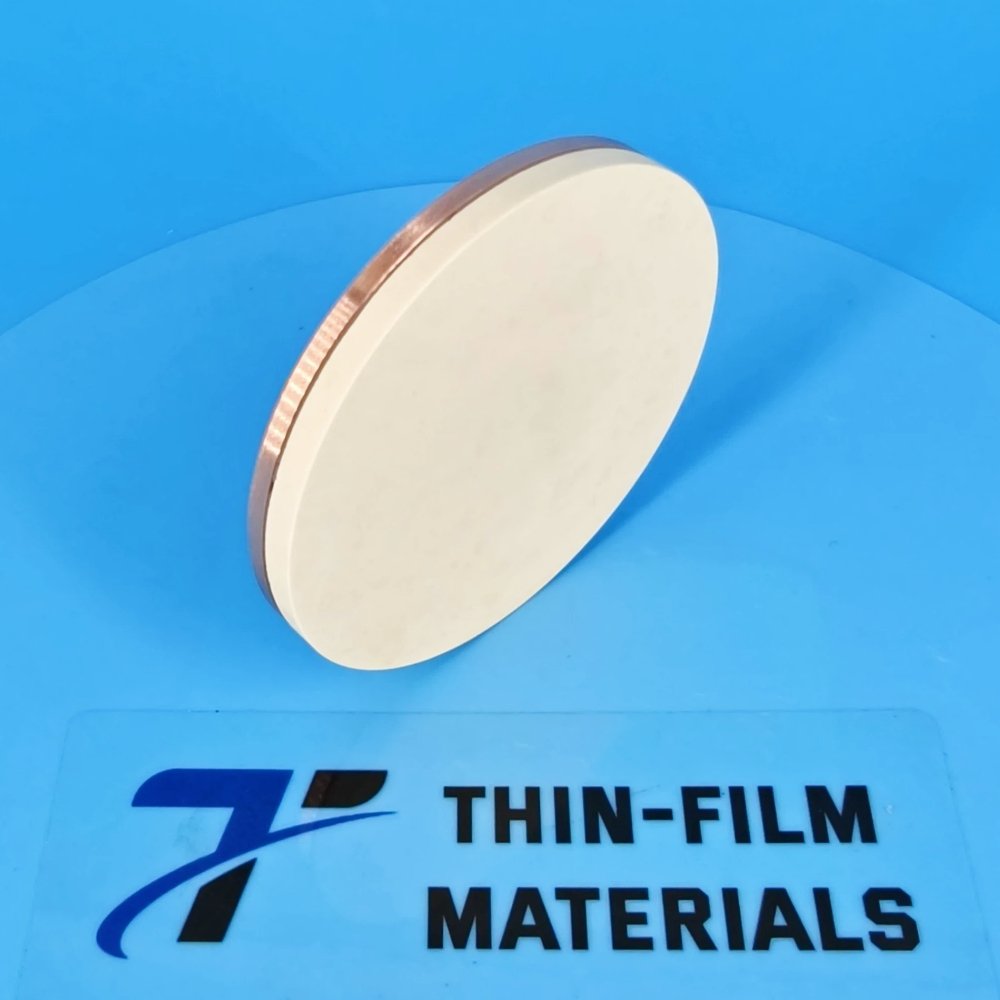
Gadolinium Titanate (GdTiO₃) sputtering target is a high-purity ceramic oxide material with a perovskite crystal structure. It is widely used in thin-film research and functional coating applications that demand precise magnetic, dielectric, and electronic properties. Known for its stable crystal lattice and mixed ionic–electronic conduction, GdTiO₃ is an important material in the study of multiferroics, oxide electronics, and next-generation memory devices.
Detailed Description
The GdTiO₃ sputtering target is typically synthesized via a solid-state reaction or chemical co-precipitation method, followed by high-temperature sintering to achieve excellent homogeneity and density. This ensures consistent sputtering performance and uniform thin-film growth.
The perovskite-type GdTiO₃ combines gadolinium’s magnetic moment with titanium’s semiconducting characteristics, producing tunable ferromagnetic and electronic behaviors under controlled oxygen partial pressure. Its fine-grained microstructure supports high deposition stability and minimizes particle formation during sputtering.
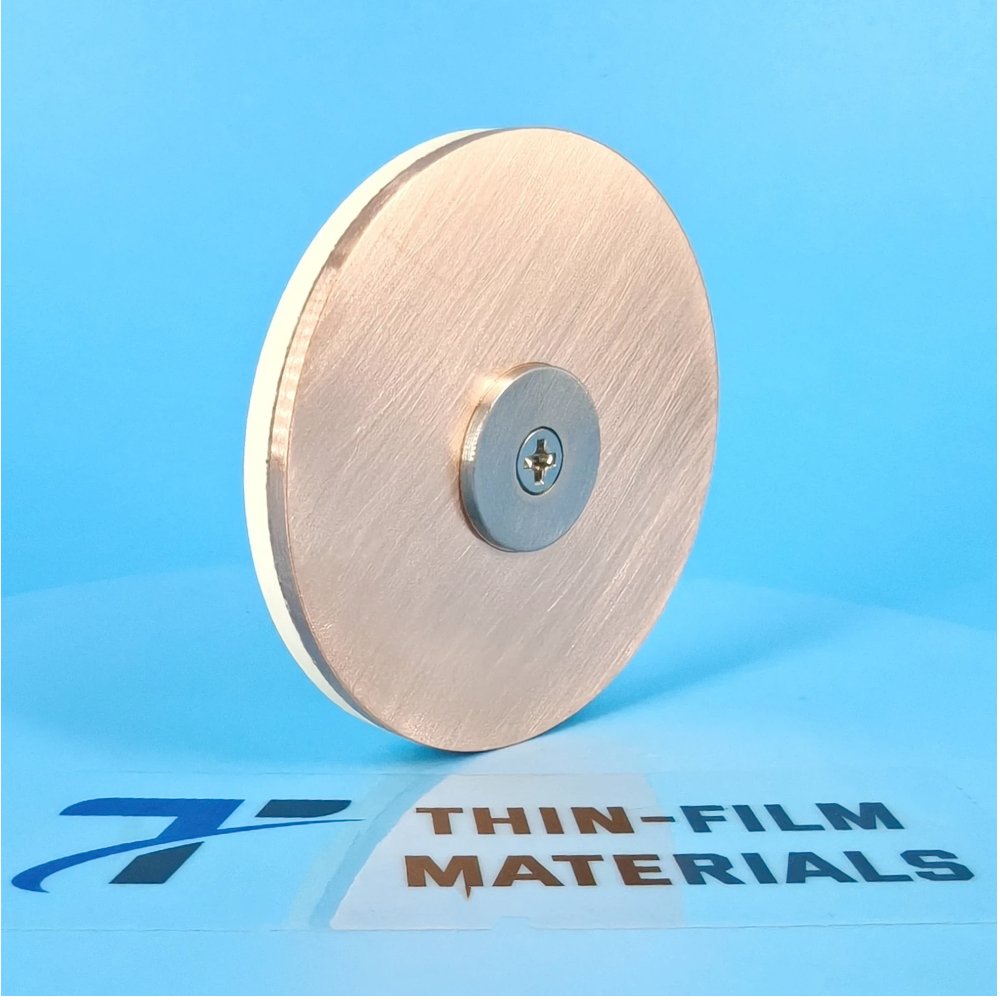
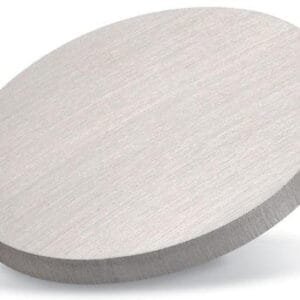
Available in both planar and rotary target configurations, GdTiO₃ targets can be bonded to copper, titanium, or indium backing plates to improve heat dissipation and mechanical strength under prolonged sputtering conditions.
Applications
Gadolinium Titanate thin films are applied across advanced research and device development fields, such as:
Spintronic and magnetic memory devices (ferromagnetic semiconductors)
Multiferroic and oxide heterostructures
Dielectric and ferroelectric thin films
Catalytic and electronic coatings for solid-state devices
Perovskite oxide interfaces in 2D electron gas (2DEG) studies
Technical Parameters
| Parameter | Typical Value / Range | Importance |
|---|---|---|
| Chemical Formula | GdTiO₃ | Perovskite oxide structure |
| Purity | 99.9% – 99.99% | Higher purity ensures stable film stoichiometry |
| Density | ≥ 6.2 g/cm³ | High density improves film uniformity |
| Diameter | 25 – 200 mm (custom) | Fits standard sputtering systems |
| Thickness | 3 – 6 mm | Determines sputtering rate and target life |
| Bonding | Indium / Elastomer / Copper | Enhances heat transfer |
| Form | Disc, rectangular, or custom | Flexible for R&D or production use |
Comparison with Related Materials
| Material | Key Advantage | Typical Application |
|---|---|---|
| Gadolinium Titanate (GdTiO₃) | Ferromagnetic perovskite with tunable electronic structure | Spintronics, oxide electronics |
| Lanthanum Titanate (LaTiO₃) | High dielectric constant | Capacitor thin films |
| Strontium Titanate (SrTiO₃) | Excellent lattice match with many oxides | Substrate and interface material |
FAQ
| Question | Answer |
|---|---|
| Can the Gd/Ti ratio be customized? | Yes. Custom stoichiometries or doped variants can be produced for research use. |
| What deposition methods are compatible? | Compatible with RF/DC magnetron sputtering and pulsed laser deposition (PLD). |
| How is the target packaged? | Vacuum-sealed in anti-static foil, cushioned with foam, and packed in export-safe cartons. |
| Is bonding necessary? | Recommended for high-power sputtering to improve thermal stability. |
| Can small quantities be ordered for testing? | Yes, laboratory and pilot-scale quantities are available. |
Packaging
Our Gadolinium Titanate Sputtering Targets are individually tagged and vacuum-sealed to prevent contamination. External labeling ensures quick identification, and every package is reinforced with protective foam to ensure the targets arrive intact and ready for use.
Conclusion
The Gadolinium Titanate (GdTiO₃) Sputtering Target delivers exceptional reliability and compositional accuracy for advanced thin-film fabrication. With its perovskite structure and magnetic–electronic coupling properties, it is ideal for research in oxide heterostructures, spintronics, and functional coatings.
For detailed specifications and a quotation, please contact us at [sales@thinfilmmaterials.com].
Reviews
There are no reviews yet.