

 MSDS File
Introduction
Hafnium Nitride (HfN) is a refractory ceramic material known for its exceptional hardness, high melting point, and excellent chemical stability. As an evaporation material, HfN plays a critical role in forming durable, high-performance thin films used in advanced coating technologies. Its combination of metallic conductivity and ceramic stability makes it particularly valuable in semiconductor, optical, and protective coating applications.
Detailed Description
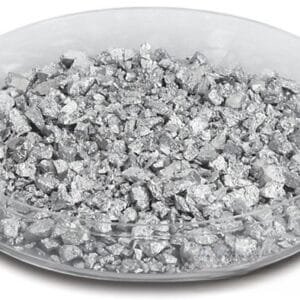
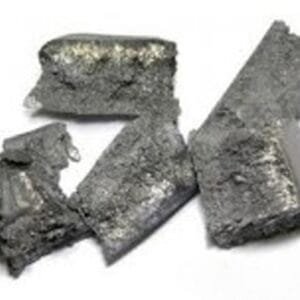
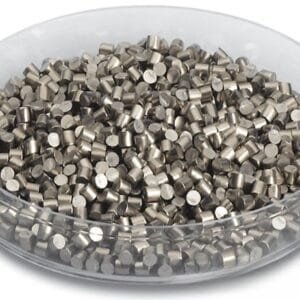
Hafnium Nitride Evaporation Materials are typically produced through controlled synthesis of hafnium and nitrogen, followed by densification processes such as hot pressing or sintering to achieve high density and uniform microstructure. These materials are supplied in various forms, including granules, pellets, or custom-shaped pieces suitable for thermal or electron beam evaporation systems.
HfN exhibits a high melting point (~3310°C) and excellent resistance to oxidation and corrosion, enabling stable evaporation under high-temperature and vacuum conditions. Its golden metallic appearance is also valued in decorative coatings, while its electrical conductivity makes it suitable for functional films.
The stoichiometry and purity of HfN significantly influence film performance. High-purity materials ensure consistent deposition rates and minimize contamination, which is critical in semiconductor and optical applications. Additionally, the material’s hardness and thermal stability contribute to coatings with excellent wear resistance and long service life.
Applications
Hafnium Nitride Evaporation Materials are widely used in:
- Hard, wear-resistant coatings for cutting tools and mechanical components
- Decorative coatings with metallic gold-like appearance
- Semiconductor barrier layers and conductive films
- Optical coatings and infrared reflective layers
- Diffusion barriers in microelectronics
- High-temperature and corrosion-resistant coatings
Technical Parameters
| Parameter | Typical Value / Range | Importance |
|---|---|---|
| Purity | 99.5% – 99.9% | Ensures film consistency and reduces impurities |
| Form | Granules / Pellets / Custom | Compatible with evaporation sources |
| Density | ≥ 90% theoretical | Improves evaporation stability |
| Melting Point | ~3310°C | Suitable for high-temperature processes |
| Particle Size | 1 – 6 mm (granules typical) | Affects evaporation rate and uniformity |
| Color | Metallic gold-like | Indicates stoichiometric HfN |
Comparison with Related Materials
| Material | Key Advantage | Typical Application |
|---|---|---|
| Hafnium Nitride (HfN) | High hardness, उत्कृष्ट thermal stability | Protective and semiconductor coatings |
| Titanium Nitride (TiN) | Lower cost, widely used | Decorative and wear coatings |
| Zirconium Nitride (ZrN) | Good corrosion resistance | Decorative and functional coatings |
FAQ
| Question | Answer |
|---|---|
| Can HfN evaporation materials be customized? | Yes, size, shape, and purity can be tailored to fit specific evaporation systems. |
| What evaporation methods are suitable for HfN? | Electron beam evaporation is commonly used due to its high melting point. |
| Is HfN suitable for semiconductor applications? | Yes, it is used as a conductive and diffusion barrier layer in microelectronics. |
| How should HfN materials be stored? | Store in dry, clean environments to prevent contamination. |
| What makes HfN different from TiN? | HfN offers higher thermal stability and hardness, making it suitable for more demanding applications. |
Packaging
Our Hafnium Nitride Evaporation Materials are meticulously tagged and labeled externally to ensure efficient identification and maintain high standards of quality control. We take great care to prevent any potential damage during storage and transportation, ensuring the materials arrive in perfect condition.
Conclusion
Hafnium Nitride Evaporation Materials provide a reliable solution for high-performance thin film deposition, combining excellent thermal stability, hardness, and chemical resistance. With customizable forms and high purity, HfN is well-suited for advanced industrial and research applications.
For detailed specifications and a quotation, please contact us at sales@thinfilmmaterials.com.
Reviews
There are no reviews yet.