
 MSDS File
What is a lithium evaporation material?
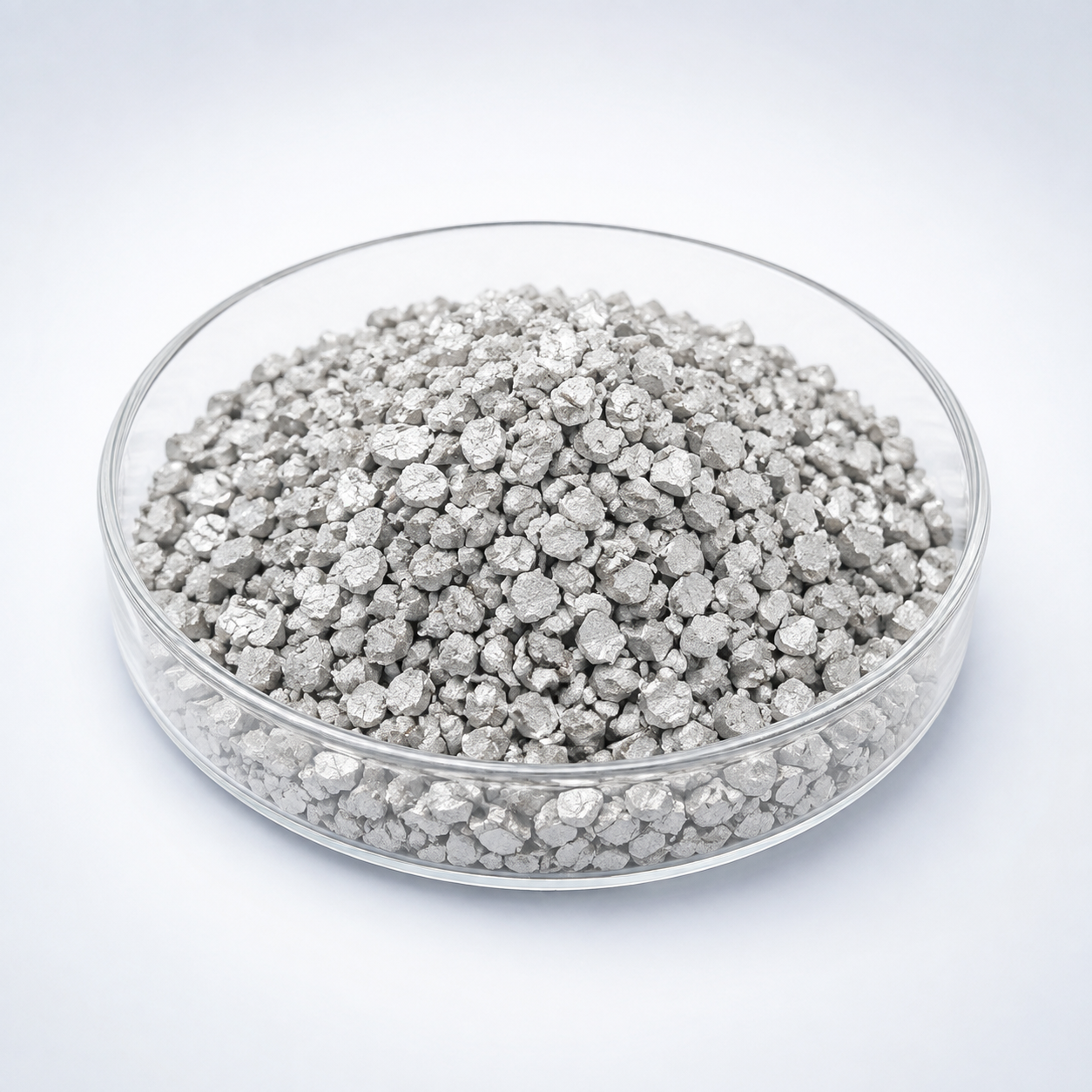
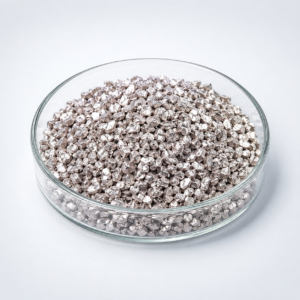
Lithium (Li) evaporation material is a reactive elemental source for Li-containing thin-film development. Source form, controlled-atmosphere handling, holder compatibility, and film-composition checks must be agreed for the actual evaporator and layer design.
Explore related source materials in the Evaporation Materials catalog.
Evaporation Behavior and Process Considerations
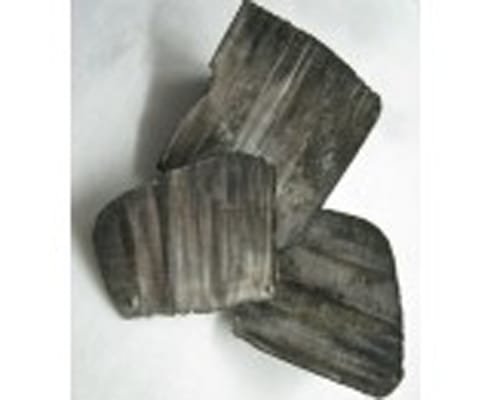
The evaporation source should be selected according to the material’s melting point, vapor pressure, decomposition behavior, and compatibility with the boat, crucible, or e-beam hearth. A gradual conditioning cycle and stable rate monitoring are useful starting practices for repeatable deposition.
Technical Data
| Material Type | Lithium |
| Symbol | Li |
| Color/Appearance | Silvery White |
| Melting Point | 180.54°C |
| Boiling Point | 1342°C |
| Density | 0.534 g/cm3 |
| Synonyms | Li Pellets, Li Pieces, Li Evaporation Pellet, Lithium Pellets, Lithium Pieces, Lithium Evaporation Pellet |
How to specify lithium evaporation material for an RFQ
The following fields define the order and the tests needed to qualify this source; final availability and acceptance criteria belong in the approved quotation or drawing.
| Decision | Information to provide or verify |
|---|---|
| Material identity | State Li grade, impurity and surface-state limits, plus packaging and controlled-atmosphere requirements. |
| Source and equipment fit | Provide evaporation method, boat/crucible/hearth details, source quantity and transfer procedure. |
| Film acceptance | Define film Li content, phase and contamination measurements together with safe sampling procedures. |
Send the specification and drawing for review. The selected source or target and the deposited film require separate acceptance evidence.
Typical Thin-Film Applications
- Thin-film R&D requiring a composition-specific evaporation source
- Optical, semiconductor, electronic, energy, and advanced-material coating studies depending on the compound
- Custom PVD research using pellets, pieces, granules, or other source forms
Source Form and Ordering Considerations
For quotation, provide material, purity, source form, particle or piece size, quantity, evaporation method, and any boat, basket, crucible, or e-beam hearth constraints. If the material will be used for a specific coating stack, sharing the intended film thickness or deposition application can help with source-form selection and packaging recommendations.
Frequently Asked Questions
How should the evaporation method for Lithium be selected?
Select the method from melting point, vapor pressure, decomposition behavior, charge size, and the available source hardware. Resistance heating and electron-beam evaporation are the most common starting options.
What source form is available for Lithium?
Depending on the material, pellets, pieces, granules, tablets, or other compact forms can be reviewed for compatibility with the customer’s evaporator.
Why is source preconditioning important for Lithium?
Gradual preheating can remove adsorbed gas, stabilize the charge, and reduce spitting or pressure excursions before film deposition.
Can the film composition differ from the Lithium source?
Yes. Preferential evaporation, decomposition, re-evaporation, and substrate conditions can all change the final film composition.
Does purity matter for Lithium evaporation material?
Yes. Source purity contributes directly to the contamination budget of the deposited film, together with chamber, crucible, and substrate cleanliness.
What information should I send TFM for a Lithium RFQ?
Provide material or formula, purity, source form and size, quantity, evaporation method, holder constraints, and any film or documentation requirements.
Reviews
There are no reviews yet.