
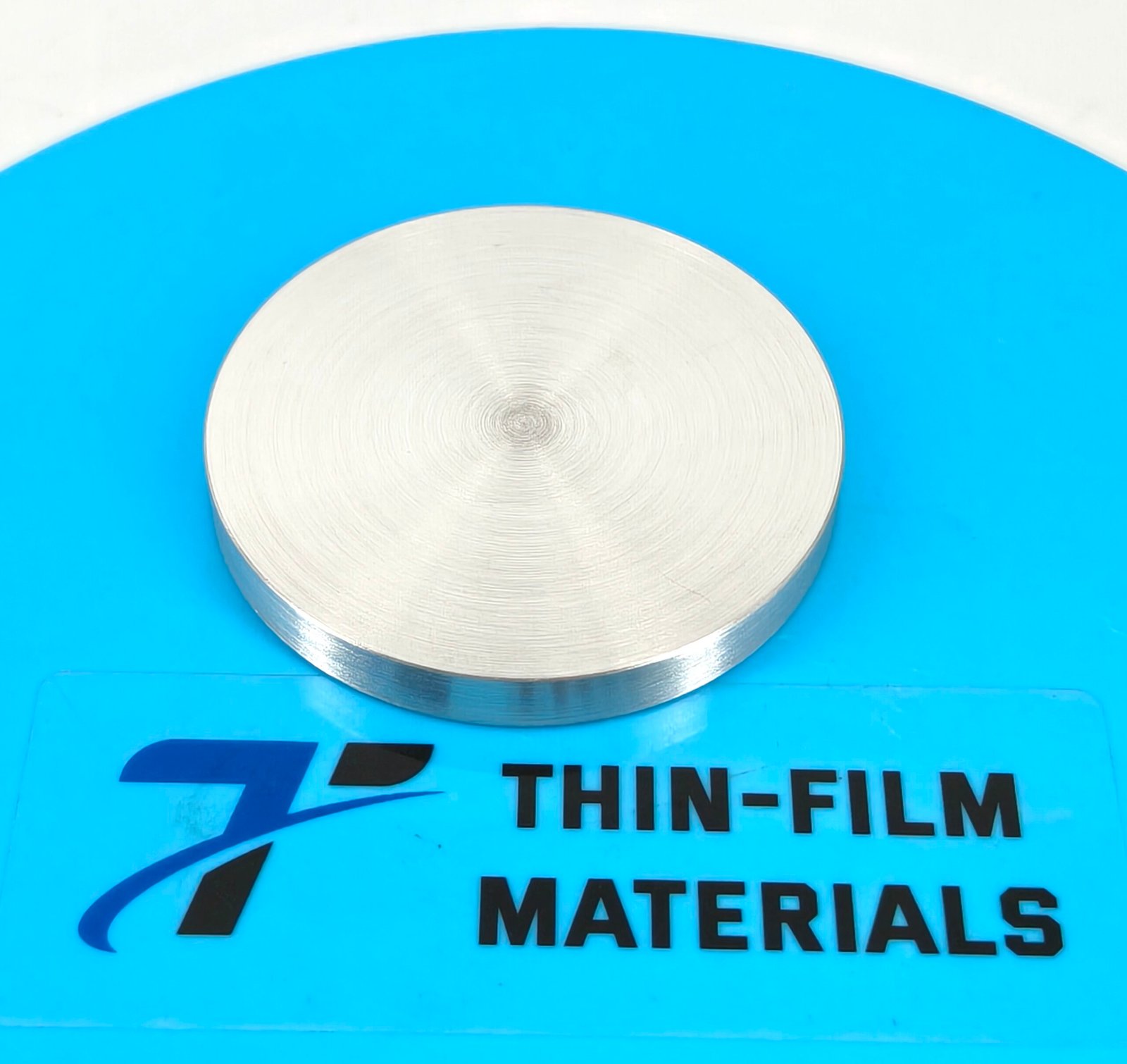
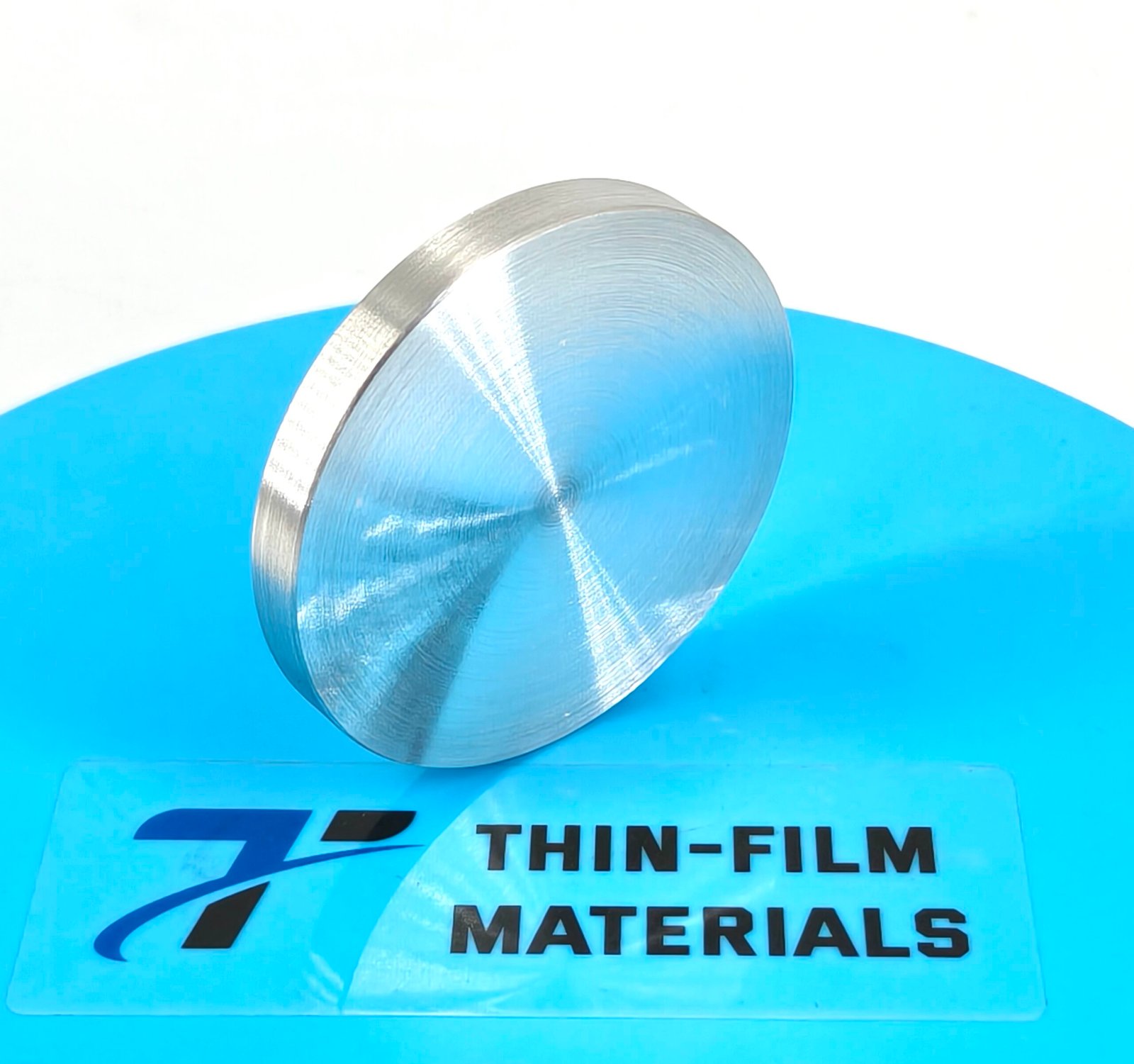
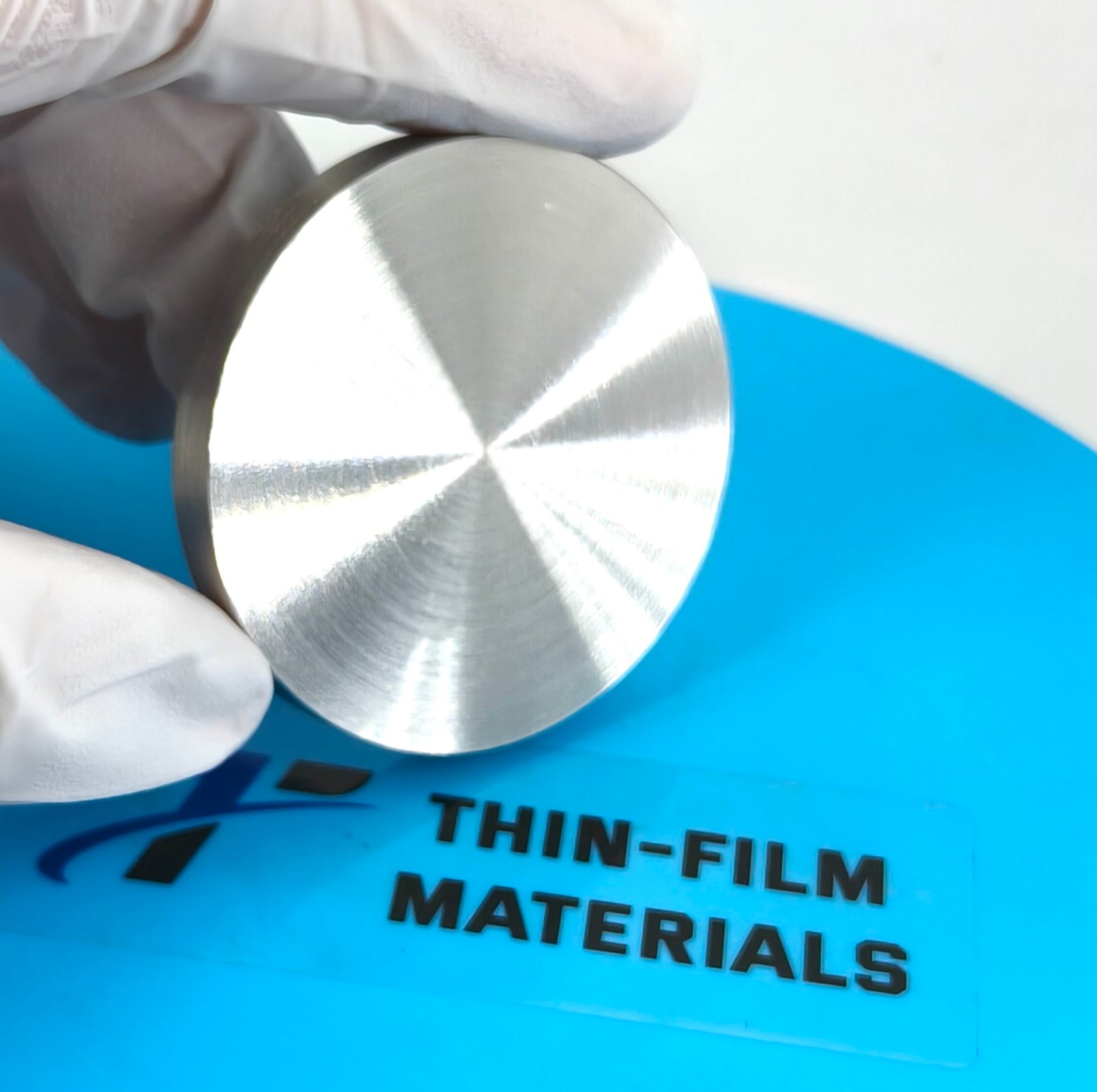
Product Overview
Magnesium Sputtering Target (Mg) is a conductive sputtering target used to deposit elemental thin films where purity, film cleanliness, and stable metallic sputtering behavior are important. For thin-film applications, the practical selection criteria are not limited to the target chemistry alone: purity grade, target density, dimensions, grain structure, surface finish, and backing configuration can all influence process stability and film quality.
Material and Deposition Characteristics
Because the target is electrically conductive, DC magnetron sputtering is often applicable, although pulsed-DC or other power modes may also be used depending on the deposition system and film target. For high-specification films, target grain structure, residual stress, and surface preparation can influence erosion uniformity and the morphology of the deposited layer. When higher power loading or system-specific mounting is involved, a bonded target assembly may also be considered.
Technical Data
| Parameter | Typical Value / Range | Importance |
|---|---|---|
| Purity | 99.9% – 99.99% | Higher purity improves film quality and electrical properties |
| Density | ≥99% theoretical | Ensures stable sputtering and consistent deposition rates |
| Diameter | 25 – 300 mm (custom) | Compatible with various sputtering cathodes |
| Thickness | 3 – 6 mm | Influences sputtering rate and target lifetime |
| Bonding | Copper backing plate (optional) | Enhances heat dissipation and mechanical stability |
| Material | Key Advantage | Typical Application |
|---|---|---|
| Magnesium (Mg) | Lightweight metal with strong alloying capability | Energy materials and thin film research |
| Aluminum (Al) | Excellent conductivity and oxidation resistance | Semiconductor and optical coatings |
| Zinc (Zn) | Good corrosion resistance | Protective coatings and electronics |
| Question | Answer |
|---|---|
| Can magnesium sputtering targets be customized? | Yes, diameter, thickness, purity, and bonding options can be customized to match specific sputtering systems. |
| Which sputtering method is suitable for Mg targets? | DC magnetron sputtering is typically used due to magnesium’s electrical conductivity. |
| Can magnesium targets be used for reactive sputtering? | Yes, reactive sputtering with oxygen or nitrogen can produce MgO or magnesium nitride thin films. |
| Are bonded targets available? | Yes, magnesium targets can be indium-bonded or elastomer-bonded to copper backing plates for improved thermal management. |
| Which industries commonly use Mg sputtering targets? | Semiconductor research, optical coating manufacturing, energy materials development, and advanced materials research laboratories. |
Typical Thin-Film Applications
- Magnesium thin films for conductive, optical, catalytic, or functional coating development
- Semiconductor, energy, electronic, or laboratory PVD research depending on the element
- Projects requiring a pure elemental source in planar or custom target geometry
Target Configuration and Ordering Considerations
For quotation and manufacturability review, provide target size, thickness, purity or alloy composition, quantity, and the sputtering gun or cathode model if known. If a bonded assembly is required, include backing-plate material, bonding preference, and any dimensional tolerances, surface-finish needs, or inspection-document requirements. TFM can also review customer drawings or old-target samples for replacement builds.
Frequently Asked Questions
Can Magnesium sputtering targets be used with DC magnetron sputtering?
Yes. Conductive metallic targets are commonly processed with DC magnetron sputtering, although pulsed-DC or other modes may also be used depending on the equipment and film objective.
What purity grade should I choose for a Magnesium target?
The required purity should be selected from the contamination limits and performance needs of the deposited film. Higher purity can reduce unwanted impurities, but the optimum grade should match the application rather than default to the highest available level.
Why do density and microstructure matter for Magnesium targets?
Target density, grain structure, and residual stress can influence erosion behavior, process stability, and the morphology of the deposited film. These factors become more important as film-quality requirements become tighter.
Can a Magnesium target be bonded to a copper backing plate?
Yes. A bonded assembly may be used when the cathode design requires a backing plate or when improved support and heat transfer are desirable. The bonding method should be matched to target thickness and operating conditions.
What are common applications of sputtered Magnesium films?
Typical uses include conductive layers, metallization, reflective or protective coatings, and composition-specific PVD research. The exact application depends on the properties of the element and the final film stack.
What information should I send TFM for a custom Magnesium target?
Please provide target dimensions, thickness, purity, quantity, target style, backing-plate requirement, cathode model if known, and any tolerance, surface-finish, inspection, or documentation requirements.

Reviews
There are no reviews yet.