
Introduction
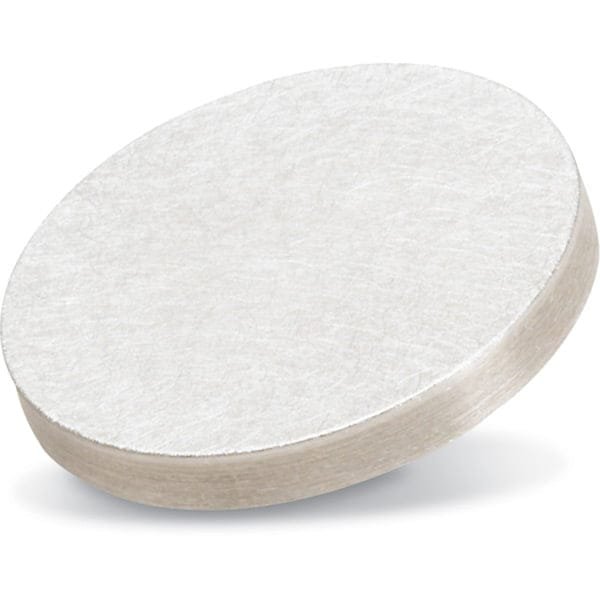
The Magnesium (Mg) Sputtering Target is a lightweight metallic deposition material widely used in thin film technologies, particularly in semiconductor research, optical coatings, energy materials, and advanced alloy thin films. Magnesium is valued for its low density, high reactivity, and excellent alloying capability, making it an important material in both industrial coating processes and scientific research.
In Physical Vapor Deposition (PVD) systems such as magnetron sputtering, magnesium targets are used to deposit pure Mg films or magnesium-based compound layers through reactive sputtering. These thin films are frequently applied in optical devices, hydrogen storage research, energy materials, and corrosion-resistant coatings.
Detailed Description
Magnesium Sputtering Targets are manufactured from high-purity magnesium metal using vacuum melting, hot working, and precision machining processes. These manufacturing techniques ensure uniform composition, high density, and consistent microstructure, which are critical for stable sputtering performance and uniform thin film growth.
Magnesium has a relatively low melting point (approximately 650 °C) compared to many refractory metals, which allows efficient sputtering under moderate power conditions. However, because magnesium is chemically reactive and easily oxidized, high-purity processing and proper packaging are essential to maintain material quality.
During deposition, magnesium targets are commonly used in DC magnetron sputtering systems due to their electrical conductivity. Reactive sputtering with gases such as oxygen or nitrogen can produce magnesium-based compound films including magnesium oxide (MgO) and magnesium nitride (Mg₃N₂). These compounds are widely used in dielectric coatings, optical films, and semiconductor devices.
Magnesium thin films also play a key role in hydrogen storage materials, optical switching films, and functional coatings where lightweight metals are advantageous.
Magnesium sputtering targets are available in standard circular discs, rectangular plates, or custom geometries designed to match various sputtering cathodes. For larger targets or high-power sputtering systems, magnesium targets may be bonded to copper backing plates using indium bonding or elastomer bonding to improve thermal conductivity and mechanical stability during operation.
High-density targets help ensure consistent deposition rates while minimizing particle formation and target cracking, resulting in smoother thin films and better process reliability.
Applications
Thin films deposited from Magnesium Sputtering Targets are used across several advanced industries:
Optical coatings – magnesium oxide thin films used in optical and dielectric coatings.
Semiconductor research – Mg-based thin films used in electronic and dielectric layers.
Hydrogen storage materials – magnesium alloys and compounds used in hydrogen storage research.
Energy materials – Mg-based thin films explored for battery and energy conversion technologies.
Decorative and protective coatings – lightweight metallic coatings with corrosion-resistant properties.
Materials science research – development of magnesium alloys and functional thin films.
Technical Parameters
| Parameter | Typical Value / Range | Importance |
|---|---|---|
| Purity | 99.9% – 99.99% | Higher purity improves film quality and electrical properties |
| Density | ≥99% theoretical | Ensures stable sputtering and consistent deposition rates |
| Diameter | 25 – 300 mm (custom) | Compatible with various sputtering cathodes |
| Thickness | 3 – 6 mm | Influences sputtering rate and target lifetime |
| Bonding | Copper backing plate (optional) | Enhances heat dissipation and mechanical stability |
Comparison with Related Materials
| Material | Key Advantage | Typical Application |
|---|---|---|
| Magnesium (Mg) | Lightweight metal with strong alloying capability | Energy materials and thin film research |
| Aluminum (Al) | Excellent conductivity and oxidation resistance | Semiconductor and optical coatings |
| Zinc (Zn) | Good corrosion resistance | Protective coatings and electronics |
FAQ
| Question | Answer |
|---|---|
| Can magnesium sputtering targets be customized? | Yes, diameter, thickness, purity, and bonding options can be customized to match specific sputtering systems. |
| Which sputtering method is suitable for Mg targets? | DC magnetron sputtering is typically used due to magnesium’s electrical conductivity. |
| Can magnesium targets be used for reactive sputtering? | Yes, reactive sputtering with oxygen or nitrogen can produce MgO or magnesium nitride thin films. |
| Are bonded targets available? | Yes, magnesium targets can be indium-bonded or elastomer-bonded to copper backing plates for improved thermal management. |
| Which industries commonly use Mg sputtering targets? | Semiconductor research, optical coating manufacturing, energy materials development, and advanced materials research laboratories. |
Packaging
Our Magnesium Sputtering Targets are meticulously tagged and labeled externally to ensure efficient identification and maintain high standards of quality control. Each target is vacuum-sealed and packed with protective cushioning materials to prevent oxidation, contamination, or mechanical damage during storage and transportation. Export-safe cartons or wooden crates are used to ensure safe international delivery.
Conclusion
The Magnesium (Mg) Sputtering Target is an important deposition material for producing lightweight metallic thin films and magnesium-based compound coatings. Its excellent alloying capability, compatibility with reactive sputtering, and suitability for optical and energy-related applications make it valuable in modern thin film technologies.
With customizable dimensions, high purity levels, and reliable manufacturing quality, magnesium sputtering targets provide consistent performance for both research laboratories and industrial thin film production environments.
For detailed specifications and a quotation, please contact us at sales@thinfilmmaterials.com.

Reviews
There are no reviews yet.