
Introduction
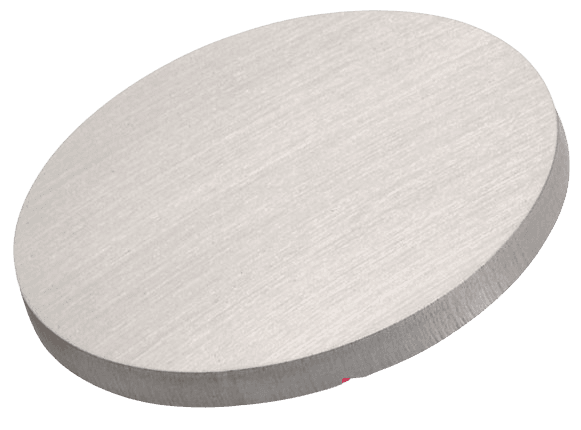
The Tantalum Sputtering Target (Ta) is a high-purity refractory metal target widely used in thin film deposition for semiconductor manufacturing, electronics, and protective coatings. Tantalum is valued for its excellent corrosion resistance, high melting point, and superior chemical stability, making it an ideal material for advanced thin film applications.
When deposited using magnetron sputtering or other physical vapor deposition (PVD) techniques, tantalum forms dense, uniform metallic films with strong adhesion and outstanding barrier properties. These films are widely used in semiconductor diffusion barriers, microelectronic interconnect structures, and high-performance protective coatings.
Detailed Description
Tantalum sputtering targets are typically produced from high-purity tantalum metal using advanced metallurgical processes such as powder metallurgy, vacuum melting, forging, and hot isostatic pressing (HIP). These manufacturing methods ensure high density, fine grain structure, and uniform composition throughout the target.
One of the key characteristics of tantalum is its exceptional resistance to corrosion and chemical attack, particularly in harsh environments. Tantalum also has a very high melting point of approximately 3017 °C, which contributes to its excellent thermal stability in high-temperature deposition processes.
In semiconductor fabrication, tantalum thin films are commonly used as diffusion barrier layers between copper interconnects and silicon-based substrates. These barrier layers help prevent copper diffusion, improving device reliability and performance.
High-density tantalum sputtering targets provide stable sputtering rates and consistent thin film properties. For high-power sputtering systems, targets are often supplied as bonded targets with copper backing plates, typically using indium bonding to enhance heat dissipation and mechanical stability during deposition.
Applications
Tantalum sputtering targets are used across many advanced technology industries:
Semiconductor manufacturing, particularly diffusion barrier layers
Microelectronics and integrated circuits
Thin film resistors and capacitors
Protective coatings for corrosion and wear resistance
Optical and functional coatings
Research and development in advanced materials science
Technical Parameters
| Parameter | Typical Value / Range | Importance |
|---|---|---|
| Chemical Symbol | Ta | Defines elemental composition |
| Purity | 99.9% – 99.99% | Ensures high-quality thin films |
| Diameter | 25 – 300 mm (custom) | Compatible with standard sputtering systems |
| Thickness | 3 – 6 mm | Influences sputtering efficiency and target lifetime |
| Density | ≥ 99% theoretical density | Ensures stable sputtering performance |
| Bonding | Copper backing plate / Indium bonded | Improves heat dissipation during deposition |
Comparison with Related Materials
| Material | Key Advantage | Typical Application |
|---|---|---|
| Tantalum (Ta) | Excellent diffusion barrier and corrosion resistance | Semiconductor interconnect layers |
| Titanium (Ti) | Good adhesion and barrier properties | Semiconductor barrier layers |
| Tungsten (W) | High hardness and thermal stability | Microelectronics and protective coatings |
FAQ
| Question | Answer |
|---|---|
| What sputtering methods are suitable for tantalum targets? | Tantalum sputtering targets are commonly used in DC magnetron sputtering systems. |
| Can tantalum targets be customized? | Yes. Diameter, thickness, purity, and bonding options can be customized according to system requirements. |
| Are bonded sputtering targets available? | Yes. Tantalum targets are often bonded to copper backing plates using indium bonding for improved thermal conductivity. |
| What purity levels are available for tantalum targets? | Typical purities range from 99.9% to 99.99% depending on application requirements. |
| What substrates can tantalum films be deposited on? | Tantalum films can be deposited on silicon wafers, glass, ceramics, and metal substrates. |
Packaging
Our Tantalum Sputtering Target (Ta) products are meticulously tagged and labeled externally to ensure efficient identification and maintain strict quality control standards. Each target is packaged in vacuum-sealed bags with protective foam and export-grade cartons or wooden crates to prevent contamination and mechanical damage during storage and transportation.
Conclusion
The Tantalum Sputtering Target (Ta) is a critical material for depositing high-performance thin films used in semiconductor devices, microelectronics, and advanced protective coatings. Its outstanding corrosion resistance, thermal stability, and barrier properties make it one of the most reliable materials for modern thin film technologies.
With high-purity tantalum, customizable dimensions, and stable sputtering performance, tantalum sputtering targets provide a dependable solution for both industrial manufacturing and advanced research applications.
For detailed specifications and a quotation, please contact us at sales@thinfilmmaterials.com.

Reviews
There are no reviews yet.