
Introduction
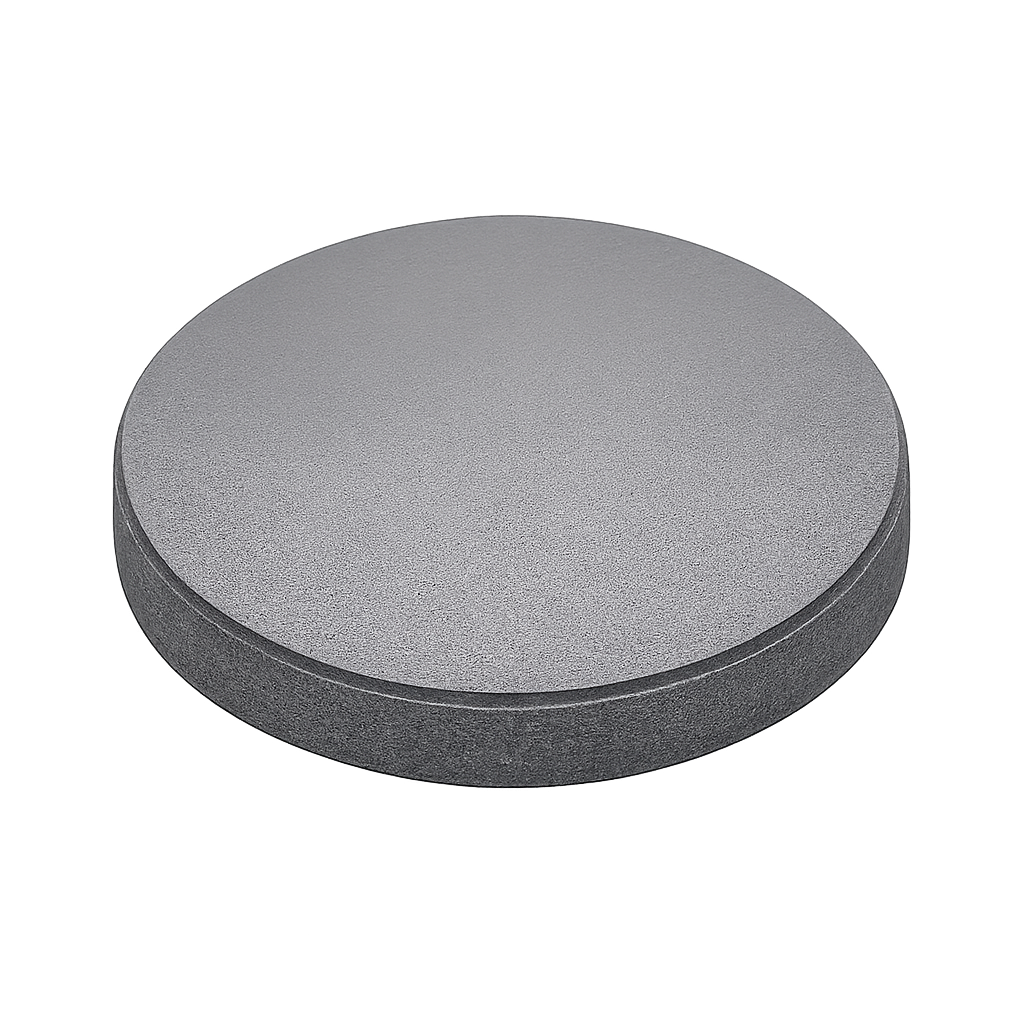
The Zinc Indium Sulfide Sputtering Target (ZnIn₂S₄) is a ternary chalcogenide material widely used for depositing functional thin films with tailored optical and electronic properties. Thanks to its adjustable band structure, good chemical stability, and compatibility with RF sputtering systems, ZnIn₂S₄ has become an important material for optoelectronics, energy-related devices, and advanced thin film research.
Detailed Description
ZnIn₂S₄ is a zinc–indium sulfide compound with a well-defined stoichiometry that enables precise control of film composition during sputtering. Compared with binary sulfides such as ZnS or In₂S₃, ZnIn₂S₄ offers greater flexibility in tuning electrical conductivity, optical absorption, and photo-response through controlled deposition conditions.
Our Zinc Indium Sulfide sputtering targets are produced using carefully synthesized powders followed by high-density consolidation processes such as hot pressing or pressure-assisted sintering. This results in a dense and uniform microstructure, which is critical for stable sputtering rates, minimal particle generation, and consistent film quality.
The targets can be supplied as unbonded discs or bonded to metallic backing plates (such as copper or titanium) to improve thermal conductivity and mechanical stability during sputtering. Dimensions, thickness, purity level, and bonding configurations can all be customized to meet specific equipment and application requirements.
Applications
Zinc Indium Sulfide (ZnIn₂S₄) sputtering targets are commonly used in:
Optoelectronic thin films, including photodetectors and photosensitive layers
Photovoltaic and energy devices, such as buffer or functional semiconductor layers
Display and transparent electronics, where controlled optical absorption is required
Photocatalytic and functional coatings for environmental and research applications
R&D thin film deposition, including bandgap engineering and material exploration
Technical Parameters
| Parameter | Typical Value / Range | Importance |
|---|---|---|
| Chemical Formula | ZnIn₂S₄ | Defines stoichiometry and film properties |
| Purity | 99.9% – 99.99% | Reduces impurity-induced defects |
| Diameter | 25 – 300 mm (custom) | Fits various sputtering cathodes |
| Thickness | 3 – 6 mm (custom) | Influences sputtering rate and target life |
| Density | ≥ 95% theoretical | Ensures stable sputtering performance |
| Bonding | Unbonded / Cu or Ti backing | Improves heat dissipation and stability |
| Sputtering Method | RF Magnetron Sputtering | Suitable for compound sulfide materials |
Comparison with Related Materials
| Material | Key Advantage | Typical Application |
|---|---|---|
| Zinc Indium Sulfide (ZnIn₂S₄) | Tunable bandgap and good stability | Optoelectronics, energy films |
| Zinc Sulfide (ZnS) | Wide bandgap, high transparency | Optical coatings |
| Indium Sulfide (In₂S₃) | Favorable semiconductor properties | Solar cells, detectors |
FAQ
| Question | Answer |
|---|---|
| Can ZnIn₂S₄ targets be customized? | Yes, diameter, thickness, purity, and bonding options can be tailored. |
| Which sputtering technique is recommended? | RF sputtering is most commonly used for ZnIn₂S₄. |
| Are the targets suitable for research use? | Yes, they are widely used in laboratory and pilot-scale R&D. |
| How are the targets packaged? | Vacuum-sealed with protective foam and export-grade cartons or crates. |
| Can stoichiometry be tightly controlled? | Yes, strict compositional control is applied during powder synthesis and target fabrication. |
Packaging
Our Zinc Indium Sulfide (ZnIn₂S₄) Sputtering Targets are carefully labeled and vacuum-packaged to ensure clear identification and reliable quality control. Protective materials are used to prevent contamination, oxidation, or mechanical damage during storage and transportation, ensuring the targets arrive ready for immediate use.
Conclusion
The Zinc Indium Sulfide Sputtering Target (ZnIn₂S₄) provides a stable, customizable, and high-performance solution for depositing ternary sulfide thin films. Its balanced optical and electronic properties make it well suited for optoelectronic, energy, and advanced research applications.
For detailed specifications and a quotation, please contact us at sales@thinfilmmaterials.com.



Reviews
There are no reviews yet.